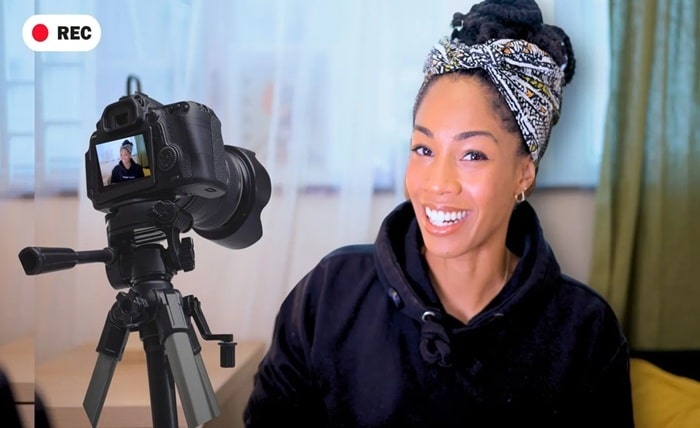
In the digital landscape, video has become the universal currency of communication. Whether it is a full-length tutorial, a short social media clip, or a live corporate broadcast, creators are constantly stepping in front of the lens to share their ideas. To the viewer, the process looks entirely effortless. The speaker appears articulate, relaxed, and naturally charismatic, projecting a level of certainty that commands attention.
However, behind the lens, the reality is often quite different. Speaking into a cold, glass camera lens without immediate human feedback is an inherently unnatural act. Even veteran content creators deal with imposter syndrome, self-doubt, and the vulnerability that comes with public scrutiny.
Maintaining a commanding on-screen presence is not an innate personality trait; it is a learned skill built on intentional physical and psychological habits. Here is a look at how modern creators maintain their confidence on screen.
1. Mastering the Psychology of the “Invisible Friend”
One of the biggest hurdles to on-camera confidence is the abstract nature of the lens itself. When you look at a camera, your brain naturally registers a mechanical object rather than a human being, which can cause your delivery to become stiff, formal, or anxious.
To bypass this mental block, successful creators utilize a psychological technique known as the “invisible friend” method. Instead of speaking to a mass, faceless audience of thousands, they pick one specific person—a close friend, a supportive colleague, or a past client—and speak directly to them. This simple mental shift instantly transforms a rigid broadcast into a warm, conversational dialogue, naturally adjusting vocal inflection, posture, and pacing.
2. Establishing Rigorous Technical Familiarity
Anxiety loves unpredictability. If a creator steps in front of the camera worried about whether their wireless microphone battery is dying, whether the lighting is blowing out their skin tones, or if the memory card is running out of space, their performance will suffer.
True on-screen confidence is built on a foundation of technical preparation. Top-tier creators establish strict pre-record checklists to ensure every piece of gear is verified long before they hit the record button. Removing the fear of a sudden technical glitch frees up significant mental bandwidth, allowing them to focus entirely on their message and deliver their lines with absolute clarity.
3. Embracing the Freedom of the Editing Suite
Many aspiring creators hold back because they place immense, unrealistic pressure on themselves to perform flawlessly in a single, continuous take. They believe that stumble over a word or a brief mental pause ruins the entire production.
Experienced creators maintain their composure because they understand the power of post-production. They view the raw recording session as a clay molding process rather than a live theatrical performance. If they make a mistake, they simply pause, breathe, smile, and repeat the sentence. Knowing that awkward pauses, stumbles, and filler words can be seamlessly removed in the editing suite eliminates the fear of failure, allowing for a more relaxed and authentic delivery.
4. Aligning Physical Wellness and Aesthetic Comfort
On-camera presence is deeply intertwined with how a creator feels in their own skin. High-definition lenses and harsh studio lighting can magnify every facial expression, making physical comfort a critical pillar of performance. When a creator feels physically balanced and satisfied with their appearance, that internal comfort projects outward as authority.
To achieve this, creators pay close attention to their skin prep, hydration, and presentation before filming. Maintaining a well-rested appearance is essential under modern production lights. For individuals whose work demands continuous high-definition filming, taking care of facial dynamics and minimizing shadows around the eyes can make a significant difference in how they perceive themselves on monitor playbacks. Incorporating specialized care, such as looking into professional options for dermal fillers in Murray or consulting with a local cosmetic specialist, allows creators to maintain a refreshed, natural look that holds up under intense lighting, removing visual distractions and allowing them to focus entirely on their performance.
5. Utilizing Physical Anchors and Power Postures
Confidence is a top-down and a bottom-up process; your mind influences your body, but your posture also dictates your internal state. Standing or sitting with slouched shoulders and shallow breathing sends a biofeedback signal to your brain that you are under threat, triggering an increase in cortisol and anxiety.
Before turning the camera on, creators engage in deliberate physical anchoring. They roll their shoulders back, plant their feet firmly on the ground, and take deep, diaphragmatic breaths to lower their resting heart rate. They use expansive hand gestures to emphasize points, which naturally opens up the chest and increases vocal projection. This physical openness alters the neurobiology of the creator, making them feel more assertive, energetic, and commanding before they even speak their first word.
Conclusion
On-camera confidence is a dynamic practice of preparation, perspective, and self-care. By treating the camera as a single conversation, removing technical stress, leaning into the editing process, prioritizing aesthetic and physical comfort, and practicing open postures, you dismantle the barriers to authentic presence. Ultimately, the screen does not require perfection; it demands connection. By embracing these strategic habits, you can quiet the internal noise of self-doubt and step into the frame with the certainty and confidence your message deserves