Most people who worry about the cost of laundry are looking at the electricity meter, and the electricity turns out to be the cheap part. The expensive part is the hours, and nobody meters those.
Where the time goes
Think about the last load you did. The machine ran for an hour and a half while you were doing something else, so that hour is free as far as your week is concerned. The ten minutes of sorting are yours, though, and so are the fifteen minutes of hanging on an airer that never has enough rungs, the day and a half the room smells of damp cotton, and the folding at the end of it.
Then there’s the chair. Every flat has one, and you know which one yours is, piled with the shirts and school uniforms that are clean but can’t be worn yet, waiting for an evening when someone has forty minutes and the will to iron.
Ironing is slow for a mechanical reason. A standard steam iron heats a small tank on the soleplate, so it runs out of steam every few minutes and asks to be refilled, and each refill cools the plate and breaks your rhythm.
What the equipment changes
On drying, very little separates the options beyond speed. A dryer gives you the day and a half back and charges for it on the bill; a dehumidifier in the room with the airer is a cheaper middle road and it stops the windows streaming in winter.
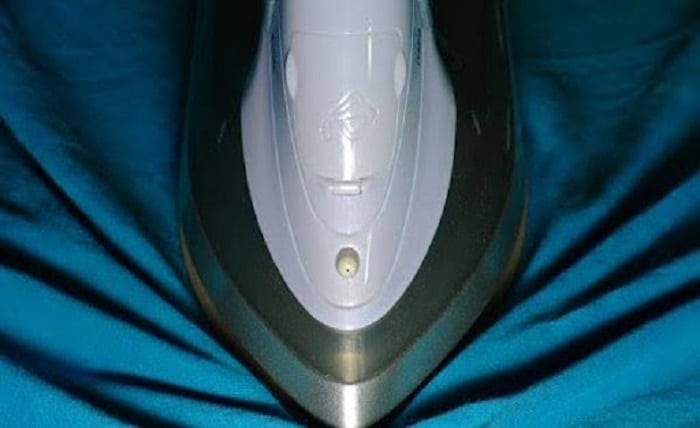
On ironing, the layout of the appliance decides everything. A steam generator separates the boiler from the iron: a large tank sits on the base and feeds steam through a hose to a light iron, so the plate stays hot, the steam keeps coming, and a thick cotton shirt takes fewer passes. Steam generators Laurastar and its rivals all build on that layout, and the difference shows up in your wrist after the eighth shirt more than on the spec sheet. Whether the bigger box earns its shelf space depends on the size of your pile, and a pressure figure on the packaging tells you little about that.
How much a wash actually costs
The Energy Saving Trust puts a 7kg washing machine used 220 times a year at between £25 and £35 a year to run. That’s roughly four loads a week, a fair picture of a two-adult household, and it comes to well under a pound a load.
The tumble dryer is the expensive appliance in the room, and the same charity’s advice is blunt: a line or an airer costs nothing, and a heat pump model cuts the bill hard if a dryer can’t be avoided. Even then, the money side of laundry stays small next to a phone contract.
What you can skip
Quite a lot. A 30 degree wash handles anything worn rather than dirty, and a shirt worn for one indoor day can hang up for a second one. Press the collar, the front and the cuffs, since that’s all a jacket leaves on show, and fold the rest straight from the airer. Our technology section runs the same time-versus-money test on every gadget that promises to save you money, and the answer is rarely the one on the box.