Have you ever wondered what happens when something unexpected occurs high above the ocean on a long trip across the sea? On October 30, 2025, United Flight UA109 diversion made headlines because the plane had to turn around in the middle of the Atlantic. This story shows how airlines put safety first. It also helps calm any worries you might have about flying far from home. Let’s walk through what took place step by step so you can understand why the crew acted the way they did and what it means for travelers like you.
Flight Background and Route Details
United Flight UA109 usually flies from Munich in Germany straight to Washington Dulles near the capital of the United States. The plane is a Boeing 787-8 Dreamliner, a big, modern jet that feels comfortable for long journeys over water. These trips often take about eight or nine hours. Many passengers fill the seats because this route connects Europe and North America nicely.
Airlines like United follow careful rules for long flights over the ocean. They need enough crew members ready to help everyone if something goes wrong. This means extra staff so people can rest in turns. When one crew member cannot work, the whole plan must change. That is why even a small health problem can lead to big news like the united flight ua109 diversion.
Exact Timeline of the UA109 Diversion
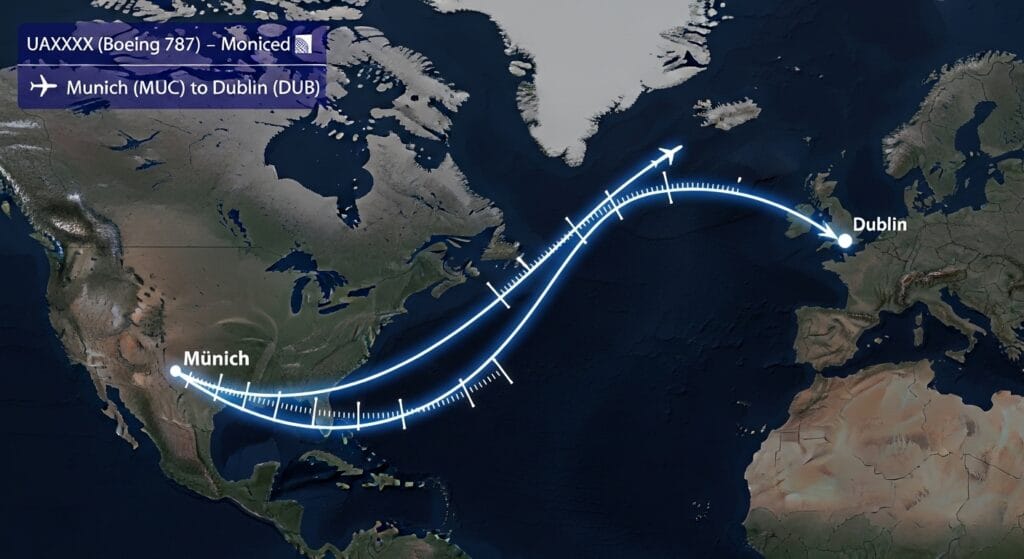
The day started normally. The plane pushed back from the gate in Munich around 12:14 local time and took off on schedule. Passengers settled in for the smooth ride. About ninety minutes later, while the jet flew over the North Atlantic, a crew member spoke up about feeling very bad pain.
The captain listened carefully and talked with the team on the ground. Soon they decided to turn the plane. Roughly 500 to 600 nautical miles west of Ireland, the Boeing 787 made its careful change of direction. The plane headed back toward land and touched down safely in Dublin around 3:00 PM local time. After a short stop, it left again and reached Washington with only about a two-hour delay overall.
What Really Triggered the United Flight UA109 Diversion
The true cause was a flight attendant’s foot. A bad blister had grown very painful and made it hard for her to stand or move the way her job needed. This was not a sudden big sickness, but on a long flight it became serious. Crew members must stay able to help with safety tasks, like opening doors quickly if needed.
Rules from aviation groups say a plane cannot continue across the ocean with fewer crew than planned. That is different from when a passenger feels sick, because the crew handles the plane and the people. So the team chose safety and turned the united flight ua109 diversion toward the closest good airport.
Mid-Atlantic Decision-Making Process
Up in the air, the captain and crew stayed calm. They talked to doctors on the ground through special radio links. Air traffic control helped clear a path. They checked fuel levels and thought about weather. Dublin had everything needed: a long runway, good medical help, and staff who know big planes.
Pilots train for moments like this many times each year. They learn that it is better to land early than to push on when rules say no. Continuing to America was simply not allowed because of crew needs. This careful talk took only minutes but kept everyone safe.
The Dramatic U-Turn and Route Change
From the outside, the turn looked like a big move on radar screens. In real life, the Boeing 787 handled it gently at high altitude. Modern jets can change direction smoothly without making people inside feel scared. The plane slowed a little, banked softly, and pointed back east. Passengers felt only a normal curve, like driving around a wide bend in the road.
These turns happen more often than most people think on ocean flights. The strong design of the Dreamliner makes them safe and steady. That is why the “drama” in the news was really just smart flying.
Safe Landing in Dublin and Immediate Aftermath
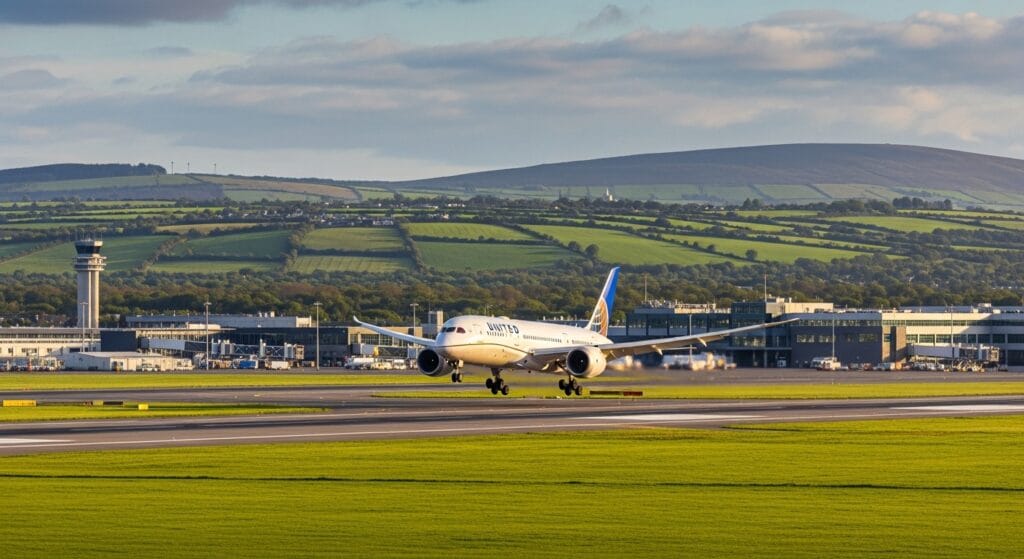
When the wheels touched the runway in Dublin, everyone breathed easier. Medical teams met the plane right away and helped the crew member. Passengers left the plane for a short time, stretched their legs, and waited in the bright terminal. The stop did not last long. Ground crews checked the plane, added fuel, and soon everyone was back on board.
No one got hurt. The quick work meant the total extra time stayed small. Many people said they felt glad the crew cared so much about doing things right.
Passenger Experiences During the UA109 Incident
People on the plane shared that things felt normal at first. Then the captain spoke over the speakers in a kind voice. He explained a crew member needed help and they would land in Ireland. Flight attendants walked through the cabin with smiles, answered questions, and kept serving drinks and snacks as best they could.
Some passengers used the plane’s Wi-Fi to send quick messages home. Others watched movies and stayed relaxed. The crew made sure lights stayed soft and the air felt fresh. One traveler later said the whole group felt looked after, like friends on a trip together.
United Airlines Official Response and Statements
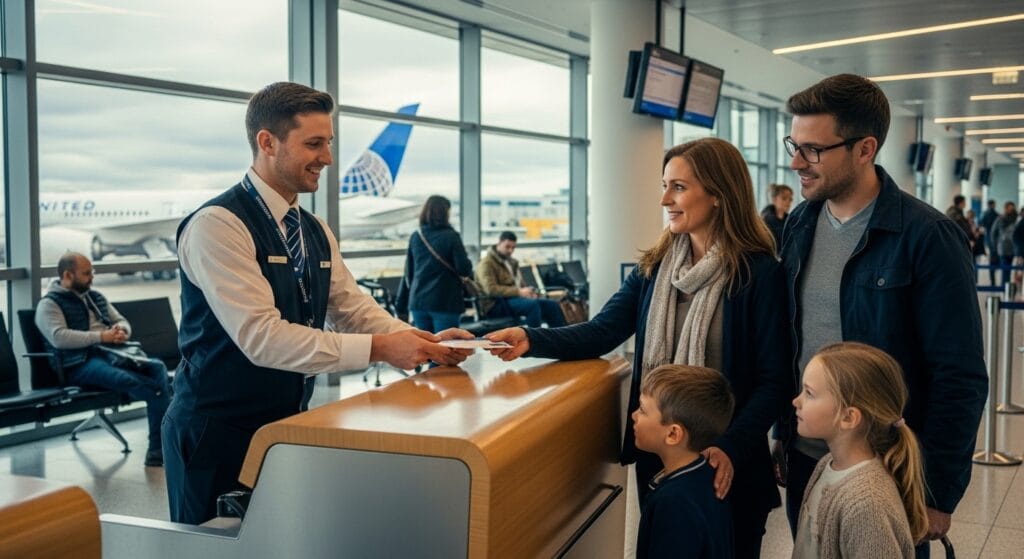
United told everyone that safety always comes first. Their public words said the team followed every rule to care for the crew and passengers. They offered help with new travel plans right at the gate in Dublin. Under travel protection rules for Europe, many people could ask for money back for the delay or meals and hotels if needed.
The airline also sent updates through their phone app and email. Gate workers in Dublin answered questions with patience. This open way of talking helped turn a surprise into a story with a happy ending.
Regulatory Rules Most Travelers Don’t Know
Air safety groups have clear rules about crew health. On long flights, every extra crew person matters because they must stay fresh and strong. If one cannot do the job, the plane may need to land so a new team can join. This protects you and everyone else.
These rules come from years of learning what keeps flights safe. They may seem strict, but they stop small problems from growing into big ones. Knowing this helps you feel more sure when you hear about a diversion.
Economic and Operational Impact of the Diversion
Diversions cost airlines extra money for more fuel, worker time, airport fees, and new tickets for some passengers. Still, companies choose them because keeping people safe matters most. Insurance helps cover some costs. These events also remind everyone to track how well flights stay on time.
Even with the extra work, United got the plane moving again fast. That shows good planning behind the scenes.
How This UA109 Diversion Compares to Other 2025-2026 Incidents
In 2025 and early 2026, a few other transatlantic flights also turned for crew or passenger health reasons. Most reached nearby airports like Dublin or Shannon quickly. Response times have grown faster thanks to better training and tools. The UA109 case fits the normal pattern of calm, safe handling rather than anything unusual.
What Passengers Should Do If Your Flight Diverts
Stay calm and listen to the crew. They know the plan. After landing, collect your carry-on bag if asked. Write down flight numbers and times. Ask gate staff for new boarding passes, meal vouchers, or hotel help if the delay grows long.
Save the airline app on your phone before you travel. It gives fast updates. Check rules for money back before your trip so you know your rights. A simple list in your bag with important phone numbers can make everything easier.
FAQs About the United Flight UA109 Diversion
Why did UA109 divert to Dublin instead of continuing?
Dublin was the closest airport with everything needed for a big plane and medical care. Continuing without enough healthy crew would break safety rules.
Was the foot blister really dangerous?
It was not life-threatening, but it stopped the crew member from doing her important safety job. That made it a real concern for the whole flight.
Did passengers get compensation?
Many could claim help under European rules because of the delay. United also gave extra support like food and easy rebooking.
How long was the stop in Dublin?
The plane spent about one hour on the ground. Quick teams made sure everything stayed on track.
Is it safe to fly United after this?
Yes. The event shows how well crews train for problems. Safety came first, and everyone reached their destination.
What if a passenger gets sick instead?
Crew help the person right away and may still divert if needed. But crew health rules are extra strict because they run the plane.
Will my next flight face the same risk?
These events stay rare. Airlines check crew health before every trip to keep surprises small.
Can I track flights like UA109 in real time?
Yes, many free apps show plane paths and updates so you feel more connected.
Conclusion and Key Takeaways for Travelers
The united flight ua109 diversion ended well because everyone followed clear safety steps. The plane landed safely, the crew member got care, and passengers continued with only a short delay. This story reminds us that modern flying includes smart plans for the unexpected.
Next time you fly across the ocean, remember to pack patience and trust the trained teams in the air and on the ground. Bring a good book, charge your devices, and know that small problems usually turn into quick, safe stops. Safe travels ahead, my friend. You are more prepared now.
Discalimer: This article shares public news details for information only. Always check with the airline for your own travel questions.
Explore More
EasyJet Flight U2238 Emergency Landing Newcastle: Shocking Passenger Medical Emergency
About the Author