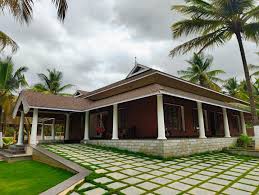
Coombe is one of those neighbourhoods that most Londoners have never heard of, but the people who live there wouldn’t want to be anywhere else. Tucked between Kingston, Richmond, and Wimbledon, it sits quietly behind mature tree lines and private driveways. The houses are big. The plots are generous. And the architectural character ranges from impressive Edwardian mansions to sleek contemporary new builds that have gone up over the past couple of decades.
Its a place where homeowners think carefully about design. When your property sits on half an acre and your neighbours have invested heavily in their own homes, anything you build needs to hold its own. A poorly designed extension or a lazy renovation sticks out immediately in a street like this. That’s why working with the right architect matters so much here. At Extension Architecture, we’ve worked on residential projects across Coombe and the surrounding areas, helping homeowners create spaces that feel both ambitious and considered. If you’re looking for a Coombe architect who understands what makes this neighbourhood special, this guide is a good place to start.
What Makes Coombe Different From Other London Suburbs
Coombe doesn’t feel like a typical suburb. The streets are wide, the houses are set back from the road, and there’s a sense of privacy that you don’t get in most parts of the city. Many properties sit behind gates and hedging, which means the architecture is often hidden from casual view.
That privacy gives homeowners more freedom with design. You’re not as constrained by what the neighbours can see from the street, which opens up possibilities for bolder architectural moves. Large format glazing, flat roof extensions, double height living spaces. These things are more achievable here than in a terraced street in central London.
But freedom doesn’t mean anything goes. The area falls under Kingston Borough Council, and there are planning policies that still apply. Parts of Coombe sit within conservation areas, and some properties are locally listed or have tree preservation orders on the grounds. Your architect needs to understand these constraints and design around them intelligently.
Large Scale Extensions for Family Living
Many Coombe homes are already substantial, but families grow and needs change. A kitchen that felt generous ten years ago might not work anymore when you’ve got teenagers who want their own space and you’re both working from home.
Rear extensions in Coombe tend to be larger than what you’d see in inner London. With bigger gardens and fewer boundary constraints, there’s room to create genuinely impressive living spaces. Open plan kitchen, dining, and family areas that stretch out into the garden are a common request. Roof lights, sliding glass doors, and vaulted ceilings all help to make these spaces feel light and connected to the outdoors.
Side extensions are another option on larger plots. Adding width to the ground floor can give you a separate utility room, boot room, or study without eating into your main living areas. On some properties, wrapping an extension around two sides of the house creates a completely new ground floor layout that transforms how the home functions.
New Builds and Demolition Projects
Coombe sees more demolition and rebuild projects than most London neighbourhoods. Sometimes an older property on a large plot is worth more for its land than its building. In those cases, starting from scratch gives you complete control over the design, layout, orientation, and energy performance of your new home.
New build projects in Coombe range from traditional designs that echo the Edwardian character of the area to fully contemporary homes with clean lines and minimal detailing. The council is generally open to modern architecture here, provided the scale and massing sit comfortably within the plot and don’t overwhelm neighbouring properties.
These projects require careful coordination between your architect, structural engineer, and contractor. A design and build company approach works particularly well for new builds because the design and construction teams are aligned from day one. It reduces the risk of cost overruns and keeps the programme on track.
Basement and Lower Ground Floor Conversions
Several Coombe properties sit on sloping sites, which creates natural opportunities for lower ground floor living space. Even on flat plots, basement excavation is becoming more popular as homeowners look for ways to add square footage without increasing the building’s footprint above ground.
A basement in Coombe might include a home cinema, gym, swimming pool, wine storage, or staff accommodation. The scale of these projects varies hugely, but they all require specialist input from structural engineers, waterproofing consultants, and experienced basement contractors.
Planning for basement work in this area depends on the specific site. Your architect will assess ground conditions, drainage, and the impact on neighbouring properties before putting together a scheme that the council is likely to support.
Garden Studios and Annexes
Working from home has changed what people want from their properties. In Coombe, where garden space is plentiful, a standalone studio or annexe is an increasingly popular solution. These buildings can serve as home offices, music rooms, guest accommodation, or even self contained units for older family members.
Depending on the size and intended use, a garden building might fall under permitted development rights, which means no formal planning application is needed. But if you want something larger or more permanent, your architect can prepare a planning submission that demonstrates how the building relates to the main house and the wider plot.
Thinking About Your Coombe Project
Good architecture in Coombe starts with understanding the site. The orientation, the trees, the relationship with neighbouring homes, the way light moves across the plot throughout the day. These are the things that shape a design worth building.
If you’re considering work on a Coombe property, take time to find an architect who appreciates what makes this area unique. The best projects here don’t shout. They sit quietly in their surroundings, looking like they belong, while delivering spaces inside that feel anything but ordinary.
Learn more about the before-and-after portfolio of our recent works. Click here to see all the nearest project locations.
About the Author