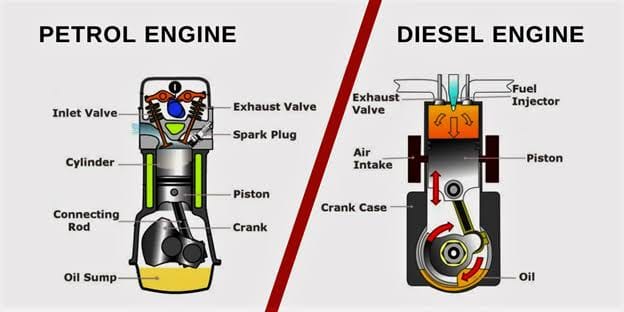
Choosing between a diesel engine and a gasoline engine affects vehicle performance, operating costs, maintenance requirements, and overall ownership experience. While both engine types have improved significantly over the years, each offers distinct advantages and disadvantages depending on how the vehicle is used. Understanding these differences can help consumers make informed decisions when purchasing a truck, work vehicle, or personal transportation.
Understanding the Basic Differences Between Diesel and Gasoline Engines
Both diesel and gasoline engines convert fuel into mechanical energy, but they operate differently. Gasoline engines use spark plugs to ignite a mixture of air and fuel, while diesel engines rely on high compression to generate enough heat for combustion.
This difference in design influences everything from fuel efficiency to maintenance schedules. Diesel engines are generally built with stronger internal components because they operate under higher compression levels. As a result, they often deliver greater durability and towing capability.
For drivers who frequently haul heavy loads or travel long distances, these characteristics can be particularly attractive. However, gasoline engines continue to offer benefits that appeal to many vehicle owners.
The Advantages of Diesel Engines
Superior Fuel Efficiency
One of the most recognized benefits of a diesel engine is fuel economy. Diesel fuel contains more energy per gallon than gasoline, allowing vehicles to travel farther on the same amount of fuel.
Drivers who spend significant time on highways often appreciate the reduced frequency of fuel stops. Over thousands of miles, improved fuel efficiency can contribute to noticeable savings.
Increased Torque and Towing Performance
Diesel engines are known for producing substantial torque at lower engine speeds. This characteristic makes them highly effective for towing trailers, transporting equipment, and carrying heavy cargo.
Commercial vehicle owners, contractors, and fleet operators often prefer diesel-powered trucks for their ability to handle demanding workloads without excessive engine strain.
Longer Service Life
With proper diesel engine maintenance, many diesel engines remain in service for hundreds of thousands of miles. Their heavy-duty construction allows them to withstand demanding operating conditions that might accelerate wear in some gasoline engines.
For vehicle owners who plan to keep their trucks for many years, longevity can be an important consideration.
The Disadvantages of Diesel Engines
Higher Initial Purchase Price
Vehicles equipped with diesel engines typically cost more than comparable gasoline models. The advanced engineering and stronger internal components contribute to the higher purchase price.
While fuel savings may offset some of the added cost over time, not every driver accumulates enough mileage to realize a significant financial benefit.
More Expensive Repairs
Although diesel engines are durable, repairs can be pricier when issues arise. Specialized components and diagnostic procedures often require experienced technicians and specialized equipment.
Owners should understand that diesel engine maintenance is an important part of protecting their investment and avoiding costly repairs.
Emissions System Complexity
Modern diesel vehicles include advanced emissions systems designed to reduce environmental impact. While these systems have improved air quality, they have also introduced additional components that require monitoring and occasional service.
Drivers who primarily make short trips may experience more emissions-related issues than those who regularly drive at highway speeds.
The Advantages of Gasoline Engines
Lower Upfront Costs
Gasoline-powered vehicles generally have lower purchase prices than comparable diesel models. This affordability makes them attractive to many consumers, especially those who use their vehicles primarily for commuting or light-duty driving.
For buyers with limited towing requirements, the cost savings can be significant.
Quieter Operation
Gasoline engines typically operate more quietly than diesel engines. While modern diesel technology has considerably reduced engine noise, many drivers still prefer the smoother, quieter driving experience associated with gasoline vehicles.
Lower Maintenance Costs
Routine service for gasoline engines is often less expensive. Oil changes, spark plug replacements, and general maintenance procedures are usually simpler and less costly than comparable diesel services.
For drivers who prioritize lower ownership expenses, gasoline engines may offer a practical solution.
The Disadvantages of Gasoline Engines
Gasoline engines generally produce less torque than diesel engines, making them less suitable for demanding towing applications. They also tend to consume more fuel under heavy workloads.
In addition, gasoline engines may not achieve the same lifespan as properly maintained diesel engines under intensive commercial use. Modern gasoline engines, while highly reliable, are often designed with performance priorities that differ from those of diesel-powered counterparts.
Which Engine Is Right for You?
The best choice depends largely on how the vehicle will be used. Drivers who regularly tow heavy loads, travel extensive distances, or operate commercial vehicles often benefit from diesel power. Those who primarily commute, run errands, or drive shorter distances may find a gasoline engine better suited to their needs.
Understanding ownership goals, expected mileage, and maintenance expectations can help narrow the decision. Speaking with experienced repair professionals can also provide valuable insights specific to your vehicle.
FAQs
Is a diesel engine better for towing than a gasoline engine?
Yes. A diesel engine typically produces more torque, making it well suited for towing heavy trailers, equipment, and cargo.
How important is diesel engine maintenance?
Diesel engine maintenance plays a major role in engine reliability, fuel efficiency, and longevity. Regular service helps prevent costly repairs and unexpected downtime.
Do diesel engines last longer than gasoline engines?
Often, diesel engines can last longer because they are built with heavy-duty components designed to withstand higher compression and demanding workloads.
Are diesel vehicles pricier to repair?
Diesel repairs can be more expensive due to specialized parts, advanced emissions systems, and the expertise required for diagnostics and service.
Making an Informed Engine Choice
Both diesel and gasoline engines offer valuable benefits depending on the driver’s needs. Diesel power provides exceptional fuel economy, towing capability, and durability, while gasoline engines often deliver lower purchase prices, quieter operation, and reduced maintenance costs. Evaluating how the vehicle will be used is often the most effective way to determine which option provides the greatest value.
For professional truck service, repairs, and expert diesel engine maintenance in Florida, contact Mid Florida Diesel for experienced support and dependable truck repair solutions.
About the Author