The digital world is no longer a separate entity from our daily lives; it is a permanent extension of our identity. For students across the United Kingdom, every scroll, tag, and comment contributes to a growing digital footprint. While these actions often feel fleeting, the psychological weight of maintaining an online persona has a profound effect on academic concentration and cognitive performance. Understanding the relationship between our virtual habits and our ability to focus on complex university tasks is essential for success in the modern educational landscape.
The Weight of the Invisible Audience
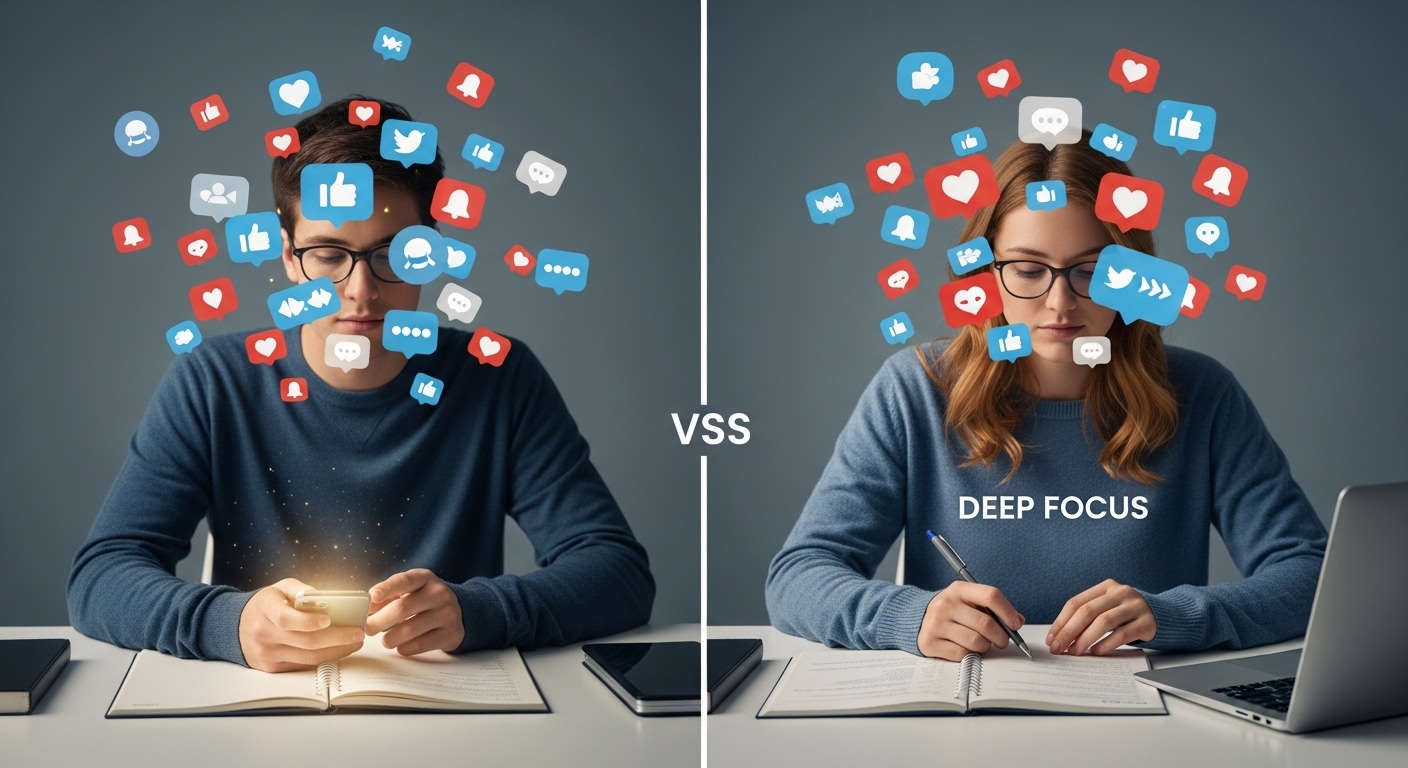
One of the most significant psychological factors affecting students today is the “imaginary audience.” In the past, this was a developmental phase where teenagers felt everyone was watching them. Now, social media has made that audience real and permanent. When you post a photo or share an opinion, the anticipation of feedback triggers dopamine responses. This constant “check-in” culture creates a fragmented attention span.
When a student sits down to write a dissertation or solve complex equations, the brain requires a state of “deep work.” However, the subconscious mind remains tethered to the digital footprint. There is often a lingering anxiety about how one is perceived online, which drains mental energy. This cognitive load makes it much harder to reach the levels of concentration needed for high-level study. For those struggling to bridge the gap between their digital lives and their studies, finding professional assignment help services can provide the necessary structure to regain control over their academic schedule.
The Feedback Loop and Cognitive Endurance
Social media platforms are designed to be “sticky.” Features such as infinite scrolling and disappearing stories (tracked by various profile viewing tools) keep the brain in a state of high arousal. This is the opposite of the calm, sustained focus required for academic excellence. From a psychological perspective, the constant switching between a lecture and a smartphone app leads to “task-switching costs.”
Every time you glance at a notification, it takes the brain an average of 23 minutes to return to the original task with the same intensity. Over a day of studying, these interruptions add up, leading to a significant drop in the quality of work produced. This is particularly evident in subjects that require deep empathy and structural understanding, such as social sciences. Students often find that their ability to analyze human behavior is hindered by their own tech-driven distractions. In such cases, specialized psychology assignment help becomes a vital resource for staying on track with complex theories.
Digital Identity and Self-Esteem in British Universities
The UK university experience is academically rigorous, often requiring students to balance independent research with collaborative projects. The pressure to maintain a perfect digital footprint can lead to “identity exhaustion.” Students spend hours Curating their profiles to look successful, adventurous, or highly intelligent. This performance often conflicts with the messy, difficult reality of learning.
When the digital self looks perfect but the academic self is struggling with a difficult module, a psychological dissonance occurs. This gap can lead to procrastination. A student might avoid a challenging essay because the risk of “failing” at it threatens the perfect image they have built online. Breaking this cycle involves acknowledging that the digital footprint is a highlight reel, not a reflection of one’s total capability or worth.
Strategies for Reclaiming Academic Focus
Reclaiming focus requires a deliberate shift in how we interact with technology. It is not about total or permanent disconnection but about setting clear boundaries.
- Monotasking: Train the brain to do one thing at a time. Turn off all notifications during study blocks to prevent the “pull” of the digital audience.
- The 90-Minute Rule: Work in high-intensity intervals. The human brain can maintain peak focus for about 90 minutes before needing a genuine break (which should not involve a screen).
- Physical Distance: Place your phone in another room. The mere presence of a smartphone, even if it is turned off, has been shown to reduce cognitive capacity.
By managing the digital footprint with intention rather than impulse, students can free up the mental bandwidth required for their degrees. It is about moving from being a passive consumer of digital content to being an active, focused scholar.
The Long-Term Impact of Digital Habits
The habits formed during university often dictate professional success later in life. A cluttered, impulsive digital footprint can have consequences beyond the classroom, affecting future employment opportunities in an increasingly transparent job market. Employers in the UK frequently look at a candidate’s online presence to gauge their professional judgment and personality.
Psychologically, learning to curate a digital footprint that reflects authentic growth—rather than just a need for validation—is a sign of maturity. It shows that a student can navigate the complexities of the modern world without losing sight of their primary goals. Balancing the social benefits of digital tools with the quiet, focused requirements of a degree is the ultimate skill for the 21st-century student.
Conclusion
Ultimately, your digital footprint is a permanent record of your online behavior that can either support or hinder your academic journey. By understanding the psychological triggers of social media and setting firm boundaries, you can protect your mental energy for the tasks that truly matter. Balancing a vibrant digital life with the rigorous demands of a UK degree is challenging, but mastering this focus is a vital skill for both university success and your future career. For those moments when the pressure of complex coursework becomes overwhelming, utilizing professional assignment help services can provide the support needed to maintain high standards without sacrificing your well-being.
About the Author