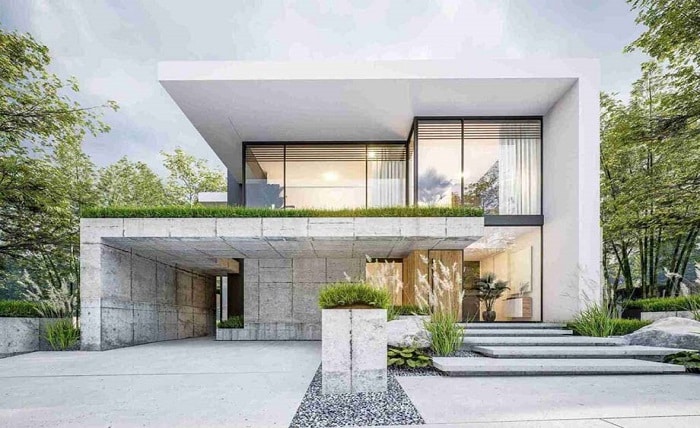
An exterior home makeover is more than a cosmetic upgrade—it is an opportunity to improve curb appeal, increase property value, and create a welcoming outdoor environment. From refreshing landscaping to updating architectural features, thoughtful planning ensures every improvement contributes to both appearance and functionality. By setting clear goals, establishing a realistic budget, and prioritizing durable materials, homeowners can achieve a transformation that enhances their home’s beauty for years to come.
Establish Your Vision and Set Realistic Goals
Every successful exterior renovation begins with a clear vision. Before selecting materials or scheduling projects, homeowners should determine what they want to accomplish. Some may focus on improving curb appeal before selling their property, while others may prioritize creating a more enjoyable outdoor living space for everyday use.
Walking around the property and evaluating every visible feature can help identify areas that require attention. Roofing, siding, pathways, lighting, fencing, driveways, outdoor structures, and landscaping should all be assessed for both appearance and condition. Creating a prioritized list of improvements helps organize the project and ensures essential repairs are completed before cosmetic upgrades.
Budget planning is equally important. Establishing spending limits early helps prevent unexpected financial strain while allowing homeowners to allocate resources toward improvements that provide the greatest long-term value. Breaking the makeover into manageable phases can also make larger projects more practical without sacrificing quality.
Balance Appearance With Functionality
While aesthetics often drive renovation decisions, functionality should remain a top priority. Outdoor spaces should not only look attractive but also improve accessibility, safety, drainage, privacy, and ease of maintenance. Combining beauty with practicality results in an exterior that continues to perform well long after the renovation is complete.
Upgrade Landscaping for Maximum Impact
Landscaping is one of the most influential elements of an exterior makeover. Healthy greenery, thoughtfully designed garden beds, and well-maintained lawns immediately improve a property’s overall appearance while creating a welcoming first impression.
Rather than planting without a plan, homeowners should consider how outdoor spaces will be used throughout the year. Selecting plants that thrive in the local climate, require manageable maintenance, and provide seasonal interest creates a landscape that remains attractive across changing conditions.
Hardscape features such as retaining walls, walkways, patios, decorative stone, and outdoor seating areas further enhance functionality while adding visual interest. Proper placement of these elements improves movement throughout the property and creates defined spaces for relaxation and entertainment.
For homeowners seeking professional guidance, incorporating landscape design in Park City into the planning process can help create outdoor spaces that complement the home’s architecture, maximize usable space, and blend naturally with the surrounding environment.
Prioritize Sustainable Landscaping
Sustainable landscaping reduces long-term maintenance while supporting environmental responsibility. Choosing drought-tolerant plants, improving irrigation efficiency, using mulch to retain soil moisture, and minimizing unnecessary lawn areas can lower maintenance requirements while keeping outdoor spaces attractive year-round.
Refresh Exterior Features and Architectural Details
Updating the home’s exterior surfaces dramatically improves curb appeal without requiring a complete reconstruction. Cleaning, repairing, or replacing worn materials restores the property’s appearance while protecting it from weather-related damage.
Exterior walls, trim, doors, windows, roofing, and gutters should all be inspected for signs of wear. Addressing damage early prevents more expensive repairs in the future while extending the lifespan of the home’s structural components.
Architectural accents also contribute to a cohesive exterior design. Decorative shutters, updated railings, attractive entryways, porch enhancements, and thoughtfully selected exterior finishes create visual harmony across the property. Maintaining a consistent design style ensures each improvement complements the overall appearance rather than competing for attention.
Choose Durable Materials
Outdoor materials must withstand changing weather conditions over many years. Investing in durable finishes and weather-resistant materials reduces maintenance costs while preserving the home’s appearance. Selecting high-quality products often provides better long-term value than choosing lower-cost alternatives that require frequent replacement.
Improve Outdoor Living Spaces
Modern homeowners increasingly view outdoor areas as natural extensions of their indoor living space. Well-designed patios, decks, seating areas, and outdoor gathering spaces increase comfort while expanding opportunities for relaxation and entertaining.
When planning outdoor living areas, consider how family members and guests will use the space. Comfortable seating, shade structures, outdoor dining areas, and functional layouts create environments that support a variety of activities throughout the year.
Lighting also plays a significant role in usability and appearance. Strategically placed pathway lighting, accent lighting, and ambient fixtures improve safety while highlighting architectural features and landscaping after sunset.
Storage solutions should not be overlooked. Organizing gardening tools, outdoor furniture, and recreational equipment helps maintain a clean, uncluttered appearance while improving functionality.
Design for Everyday Use
Rather than creating outdoor spaces solely for occasional gatherings, prioritize layouts that encourage daily enjoyment. Comfortable, practical spaces are more likely to become valuable extensions of the home and contribute to a higher quality of life.
Plan for Long-Term Maintenance and Property Value
An exterior makeover should continue providing value long after construction is complete. Planning for ongoing maintenance helps preserve the investment while preventing small issues from becoming costly repairs.
Developing a seasonal maintenance schedule allows homeowners to inspect landscaping, clean outdoor surfaces, maintain drainage systems, and repair minor damage before it worsens. Regular upkeep protects both appearance and structural integrity.
Homeowners should also consider how renovations affect long-term property value. Improvements that enhance functionality, energy efficiency, curb appeal, and outdoor living often contribute positively to future resale potential. While personal preferences are important, maintaining a broad visual appeal can benefit homeowners if they eventually decide to sell.
Review Progress Periodically
As outdoor spaces mature and family needs evolve, periodic evaluations help identify opportunities for additional improvements. Updating landscaping, refreshing finishes, or enhancing outdoor features over time ensures the property continues meeting changing lifestyle requirements while maintaining its visual appeal.
Conclusion
Planning an exterior home makeover requires careful preparation, thoughtful design, and a focus on long-term value. By establishing clear goals, upgrading landscaping, improving architectural features, enhancing outdoor living spaces, and committing to regular maintenance, homeowners can create an exterior that is both attractive and functional. A well-planned renovation not only boosts curb appeal but also provides lasting enjoyment while protecting and increasing the property’s overall value for years to come.