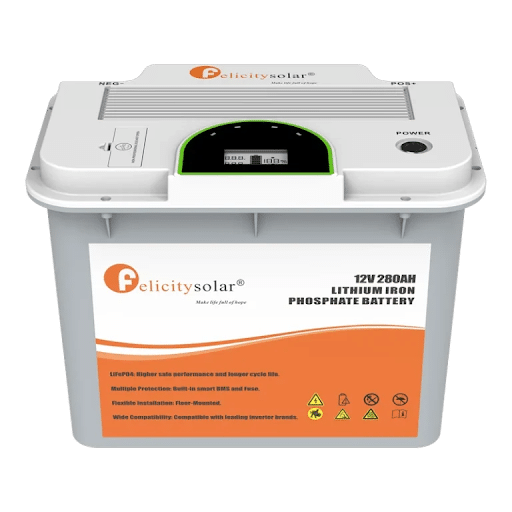
Introduction to Lithium Batteries
Lithium batteries have revolutionized the way we store and use energy. From powering our smartphones to energizing electric vehicles, their impact is undeniable. But did you know they also play a crucial role in renewable energy storage? As the world shifts toward sustainable solutions, lithium battery storage systems are becoming increasingly important. Whether you’re a homeowner looking for backup power or an industry aiming to enhance efficiency, understanding these systems can open up new possibilities. Let’s dive deeper into why lithium battery storage is capturing everyone’s attention and how it could transform your energy experience.
Advantages of Lithium Battery Storage Systems
Lithium battery storage systems offer a range of benefits that make them increasingly popular in various applications. One major advantage is their high energy density. This allows for more power to be stored in a smaller footprint, making them ideal for both residential and commercial use.
Another significant benefit is longevity. Lithium batteries typically have a longer lifespan compared to traditional lead-acid batteries. They can endure numerous charge and discharge cycles without substantial degradation, ensuring reliable performance over time.
Efficiency plays a crucial role too. These systems boast higher round-trip efficiency rates, meaning less energy is lost during charging and discharging processes. This efficiency translates into reduced electricity costs for users.
Additionally, lithium battery storage system are lightweight and compact, simplifying installation and reducing space requirements. Their versatility also allows integration with renewable energy sources like solar or wind power, supporting sustainable practices while enhancing grid stability.
Different Types of Lithium Batteries
Lithium batteries come in various types, each designed for specific applications. The most common type is Lithium-Ion (Li-ion), widely used in smartphones and laptops due to its high energy density and light weight.
Another popular variant is Lithium Iron Phosphate (LiFePO4). This battery offers enhanced thermal stability and longer life cycles, making it ideal for electric vehicles and solar energy storage systems.
Then there’s Lithium Polymer (LiPo), known for its flexibility in shape and size. These are often found in drones and RC devices because they can be molded to fit tight spaces.
We have Lithium Cobalt Oxide (LCO) batteries, primarily used in consumer electronics like cameras. They provide excellent performance but come at a higher cost compared to other types. Each of these lithium battery types serves unique needs across diverse industries.
How Does a Lithium Battery Storage System Work?
A lithium battery storage system operates by converting electrical energy into chemical energy and storing it for later use. When charged, lithium ions move from the positive electrode to the negative electrode, where they are held until needed.
During discharge, these ions travel back to the positive electrode, releasing stored energy in the process. This flow of electrons creates an electric current that can power devices or feed electricity back into a grid.
The system is often equipped with advanced management software. This ensures optimal performance by monitoring factors like temperature and charging cycles. It maximizes efficiency while extending the lifespan of the batteries.
Lithium battery systems also integrate seamlessly with renewable energy sources like solar panels. They store excess power generated during sunny days for use when sunlight wanes, making them vital for sustainable living and smart homes alike.
Factors to Consider When Choosing a Lithium Battery Storage System
When selecting a lithium battery storage system, capacity is crucial. Determine your energy needs based on usage patterns and peak demands.
Next, consider the cycle life. Higher cycle counts mean longer-lasting batteries, reducing replacement costs over time.
Efficiency plays a significant role too. Look for systems that maximize energy conversion to minimize losses during charging and discharging phases.
Monitoring features can enhance usability. Systems equipped with smart technology allow you to track performance in real-time from your smartphone or computer.
Don’t forget about compatibility with existing solar panels or grid systems. Ensuring seamless integration will save you headaches down the line.
Factor in warranty and support options offered by manufacturers. A solid warranty reflects confidence in product longevity and reliability.
Common Myths and Misconceptions about Lithium Batteries
Lithium batteries often face a barrage of myths. One common misconception is that they are prone to explosions. While there have been incidents, modern lithium batteries come equipped with safety features that significantly reduce this risk.
Another myth suggests that these batteries can only be charged partially. In reality, lithium-ion cells perform best when kept between 20% and 80% charge, making them flexible for various use cases.
Some people believe lithium batteries suffer from memory effect. This is not true; users can recharge them at any time without losing capacity.
There’s the idea that all lithium battery storage systems are expensive and unaffordable. With advancements in technology and increased production rates, prices continue to drop, making them more accessible than ever before. Understanding these misconceptions helps users make informed choices about energy storage solutions.
The Future of
The future of lithium battery storage systems looks promising. As technology advances, we can expect improved energy density and longer lifespans for these batteries. Innovations in materials and manufacturing processes are on the horizon, which may lead to even more efficient solutions.
Sustainability is a growing concern worldwide. Lithium battery recycling technologies are evolving rapidly, allowing us to recover valuable materials from spent batteries. This will help reduce environmental impact and support the circular economy.
With renewable energy sources like solar and wind becoming increasingly popular, the demand for effective storage solutions will rise. Lithium battery systems provide a reliable way to harness this clean energy when it’s abundant and use it when needed most.
Moreover, as electric vehicles gain traction, the integration of lithium batteries into our everyday lives is set to expand further. From residential applications to larger-scale installations in commercial settings, their versatility ensures they will play a key role in our transition toward sustainable energy practices.
Embracing innovation while addressing environmental concerns positions lithium battery storage systems at the forefront of modern energy solutions—making them an integral part of our technological landscape moving forward.