Fascisterne is a Danish word. It means “the fascists.” These are people who like fascism. Fascism is a strong way to run a country. One leader has most of the power. The nation comes first. Personal freedom comes second. Many people study this topic today. It helps us see why freedom is important. Denmark is a calm and happy country. But it also met these ideas long ago. Learning this story teaches us to protect peace and choice.
What Fascisterne Means in Simple Words
Fascisterne talks about followers of fascism. In fascism, the group is more important than one person. A strong leader makes all big choices. People have fewer rights to speak freely. This idea grew after the First World War. Many countries were poor and sad then. Leaders promised quick fixes and national pride.
For example, Benito Mussolini started fascism in Italy. He used strong speeches and big parades. Later, the word came to Denmark too. Danes use “fascisterne” when they talk about people who want too much control. Denmark loves fair voting and open talk. That is why the word is often used as a warning.
How Fascism Started in Europe
After 1918, Europe faced big problems. Soldiers had no jobs. Food cost too much. Old governments looked weak and slow. Some leaders said, “I will make our nation strong again.” They wanted one boss for everything.
Mussolini in Italy showed the way first. Adolf Hitler in Germany made his own version. He called it Nazism. It mixed fascism with hate for some groups. These ideas spread because times felt scary. People wanted simple answers. Fascism used flags, songs, and youth clubs to feel exciting.
Denmark heard about these ideas too. But the country already had good democracy. Most Danes liked solving problems together. Still, a few small groups tried to bring fascism home.
Fascisterne in Denmark Before the Big War
In 1930, a party started in Denmark. It was called the Danish National Socialist Workers’ Party. In Danish, people say DNSAP. Cay Lembcke began it. Later, a doctor named Frits Clausen became the leader.
The party liked Hitler’s style. They used special flags and greetings. They talked about strong Danish pride. They said Denmark should care only for ethnic Danes. In the 1939 election, they won only three seats in parliament. They had just a few thousand members. Most Danes did not vote for them. They preferred their quiet and fair way of life.
Denmark Under German Occupation
In April 1940, German soldiers came to Denmark. They took control fast. The occupation lasted until 1945. During this time, some Danes worked with the Germans. These people were called collaborators. Many came from the DNSAP party.
Frits Clausen and his friends hoped for more power. The party grew bigger for a while. It reached about 20,000 to 30,000 members at the highest point. But most ordinary Danes did not like it. They felt sad and angry about the occupation.
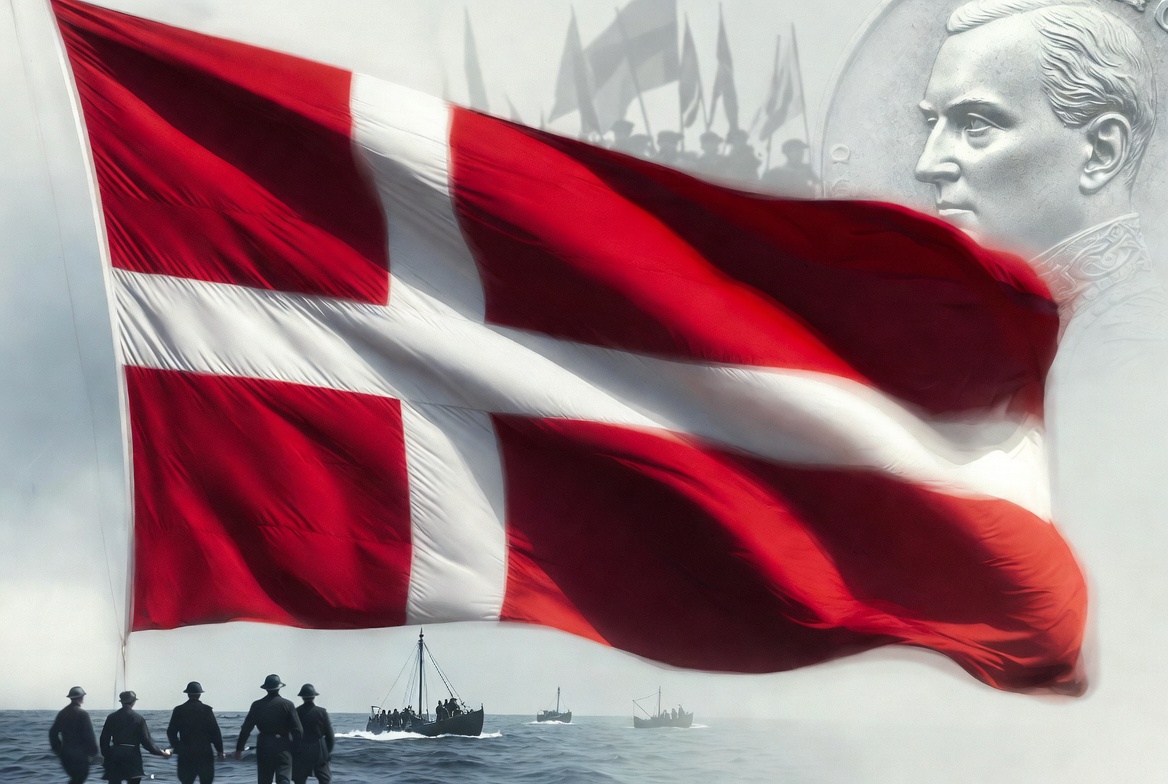
Danes showed quiet courage. When Germans wanted to take Jewish people away in 1943, Danes acted fast. They hid their Jewish neighbors. Fishermen took them in small boats to safe Sweden. Almost all 7,000 Danish Jews were saved this way. This brave rescue is famous around the world.
How Danes Fought Back Against Fascisterne
Many Danes joined the resistance. Students, workers, and teachers helped. They wrote secret newspapers. They broke German rules in small ways. They spied and sent news to the free world.
This resistance grew stronger each year. Because so many people helped, the Germans never felt fully in charge. The Danish king also stayed calm and showed quiet support for his people. After that, the war ended in 1945. Denmark became free again.
What Fascist Ideas Really Said
Fascism has clear main ideas. First, the nation or race must stay strong and pure. Second, one powerful leader decides everything quickly. No long talks or different opinions. Third, the government controls news, schools, and meetings.
Fascists like order and military shows. They wear uniforms and march together. They promise jobs and pride. But they take away personal choices. For example, they may say women should only care for families. Men should serve the state.
In Denmark, the local fascisterne mixed these ideas with love for Danish culture. Yet they still followed the main rules of strong control. Hard times made some people listen. But most Danes said no thanks.
What Happened After the War Ended
When freedom came in 1945, Denmark banned the DNSAP party right away. Leaders faced trials for helping the occupiers. Frits Clausen died in prison in 1947 before his full trial. Many supporters lost jobs and friends. Society turned away from those ideas.
Denmark then built a kind welfare system. It gave free schools, health care, and help for all. Teachers told children the true story of the war. They explained why democracy is better. This teaching helped stop old ideas from coming back.
Small Groups in Modern Denmark
Today, very small neo-fascist groups still exist. One is the National Socialist Movement of Denmark. It is tiny and has almost no support. Police watch them closely. They do not win any elections.
Some bigger parties talk about protecting Danish culture and strict rules on new people coming in. These parties work inside normal elections. They are not the same as old fascisterne. But people still watch to keep hate away.
In 2026, Denmark stays a strong democracy. People vote freely. They enjoy open talk and equal rights. Young people often hold peaceful events for diversity and kindness.
How These Ideas Moved to Other Countries
Fascism appeared in many European lands in the 1930s. Some places gave it full power. Others kept it small like Denmark. After the war, most people hated open fascism because of all the pain it caused.
Yet parts of the thinking sometimes return in new shapes. When the world changes fast, some feel scared. They listen to strong national voices. The internet helps ideas spread quicker now.
Denmark gives a good lesson. Even a small peaceful country saw these thoughts. But its people pushed them back. Good schools, fair laws, and active citizens made the difference.
Why This History Still Matters Today
In 2026, the world has new worries. Climate changes, money problems, and fast shifts in life. During such times, angry and simple answers can sound nice to some.
That is why we study fascisterne. It helps us see warning signs. When leaders attack free news or blame whole groups, we should notice. Denmark shows a bright way. Its people trust each other. They solve problems with talk and fair rules.
A good tip is to read many different views. Talk kindly with people from all backgrounds. Teach children real history. Avoid the mistake of thinking “it cannot happen here.” Small steps every day keep freedom safe.
FAQ About Fascisterne
What does fascisterne mean?
It is the Danish word for “the fascists.” It means people who support fascism and strong control.
Did Denmark ever become a fascist country?
No. Germany occupied Denmark, but Danes never let a full fascist government rule them.
How did Danes save their Jewish friends?
They hid them and sent them by boat to Sweden in 1943. Almost all were saved.
Are fascist groups big in Denmark now?
No. They are very small and have no real power.
Why do we learn this today?
It helps us protect democracy and stop hate early.
What is the difference between old fascism and new parties?
Old fascism hated democracy and used force. New parties usually join normal elections.
How can normal people help?
Stay informed. Vote. Speak against hate with kindness. Build strong communities.
Final Thoughts
The tale of fascisterne in Denmark is a story of ideas that promised strength but brought trouble. Small parties tried to grow. Occupation brought pain. Yet brave Danes resisted and saved lives. After the war, the country chose freedom, care, and fairness.
This history reminds us that democracy needs our daily attention. Strong leaders can help, but real power lives in kind people who respect each other. By remembering the past, we can walk toward a future full of peace and choice for everyone. Let us keep learning and caring together.
Disclaimer:
This article shares only neutral and educational facts from history. It does not support or promote any political idea, group, or extremism in any way. The goal is simply to inform readers in a clear and balanced manner. For more details, please read trusted history books or visit official museums.
Explore More
- Social Media Stuff EmbedTree: Ultimate Guide to Sharing, Embedding & Growing Online
- Weward App Review 2026: Is Weward App Legit, How It Works, UK Insights & Trustpilot Complaints
- Just Talk Kids App Review 2026: Free, Safe, and How to Download
About the Author