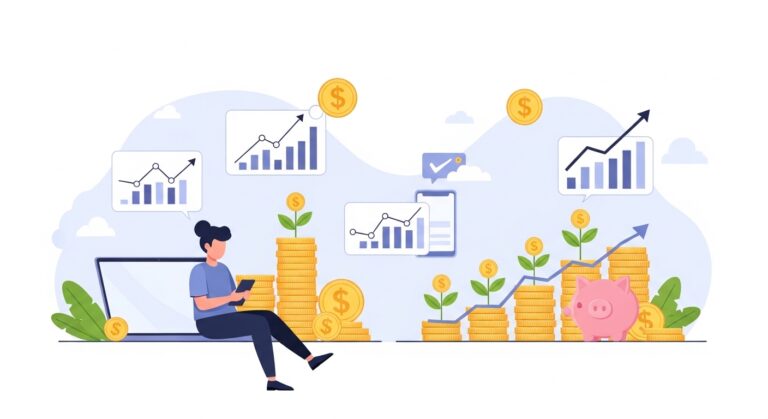
Investing your money can feel exciting and a little scary at the same time. Many people want to grow their savings so they can buy a home, pay for school, or enjoy life after work. In 2026, there are many ways to put your money to work. This guide explains the top investment opportunities in simple steps. It helps you understand what fits your life and goals. Because everyone starts somewhere, we will begin with the basics and move to bigger ideas. Over time, smart choices can make your money grow while you sleep.
First, it is important to know why investing matters. When you keep cash under your bed or in a regular bank, it may lose value because prices of things go up each year. Investing helps your money fight that problem. It gives a chance for growth. That is why so many people learn about the best investments for 2026. They want their future to feel safe and bright.
Why Start Investing in 2026
The world in 2026 brings new chances because of changes in technology and daily life. For example, more companies use smart computers that learn fast. This creates needs for power and new tools. At the same time, people still need homes, food, and safe places for their savings.
Another thing is that interest rates and prices keep moving. Some safe choices now pay a little more than before. This means beginners have good options to start small without big worries. In addition, many tools make investing easier than ever. You can begin with small amounts and add more later. That is why 2026 feels like a good year to learn and take the first step.
After that, think about your own life. Do you need money soon or can you wait many years? Your answer helps pick the right path. Short plans need safe choices. Long plans can try for more growth. This simple idea guides everything else.
Safe Places to Keep Your Money First
Many people begin with safe options because they do not want to lose what they have. High-yield savings accounts are one easy choice. These special bank accounts pay more interest than normal ones. Your money stays safe and easy to take out when you need it. For example, if you save for a family trip next year, this works well because you can reach the cash quickly.
Next comes certificates of deposit, also called CDs. You give the bank your money for a set time, like one or two years. In return, the bank pays a fixed interest. A CD ladder is a smart way to use them. You open several CDs that end at different times. This means some money becomes free each year while others keep earning. Because rates may change, this spreads your chances and keeps things balanced.
Government bonds are another calm choice. When you buy them, you lend money to the country. It pays you back with a little extra after some time. These feel very steady because the government stands behind them. In 2026, short-term ones help when you want safety plus a bit of return. Over time, they protect your savings from big ups and downs.
Building a Mix with Funds
After safe choices, many move to funds that hold many things at once. This spreads risk so one bad day does not hurt too much. Index funds and exchange-traded funds, or ETFs, are popular for beginners. They follow big groups of companies, like the top 500 in the country. When those companies grow, your fund grows too.
For example, an S&P 500 fund owns pieces of many strong businesses. You do not pick each one yourself. The fund does the work. Because it spreads across different fields, it feels smoother than buying single shares. In 2026, these remain a top pick for long-term growth. You can add money each month and watch it build slowly but surely.
Mutual funds work in a similar way. A team of experts picks the mix inside. Some focus on companies that pay regular shares of profit, called dividends. These can give you income while the value grows. Another thing is that funds often cost little to own. That leaves more money working for you.
Small-company funds offer another path. Smaller businesses can grow fast when they succeed. In 2026, some areas like new technology help them. But they can also shake more when times get hard. That is why mixing them with bigger, steadier ones makes sense.
Real Estate Without Buying a Whole House
Many dream of owning property, but it costs a lot and needs work. Real estate investment trusts, or REITs, make it simple. These are companies that own buildings like apartments, shops, or offices. You buy shares in the REIT instead of the building. They collect rent and share some with you as income.
REIT funds or ETFs hold many different properties. This spreads risk across cities and types of buildings. In 2026, changes in how people live and work create fresh chances in some areas. For instance, more need for data centers and homes near growing jobs. Over time, real estate often keeps up with rising prices and gives steady payments.
A simple example is a person who puts money in a REIT fund each year. They never fix a roof or find tenants. Yet they enjoy the benefits. Because real estate moves differently from stocks, it helps balance a full plan.
Growth Choices That Carry More Risk
Stocks of single companies can grow fast, but they also drop sometimes. That is why beginners often start with funds instead of picking one name. Still, some look at big areas in 2026. Technology keeps changing life with smarter tools. Companies that build the power needed for these tools may see demand rise because data centers use lots of energy.
Energy choices, including newer clean sources, matter more now. As needs grow, certain power companies and related businesses get attention. Another growing area involves health and medicine. New treatments and ways to help people live better create opportunities. But remember, these can change quickly with news or rules.
International investments add another layer. Companies outside your home country bring fresh chances. In 2026, some places show strong growth or lower prices compared to others. This spreads your eggs into more baskets. For example, if one part of the world slows, another may speed up. That balance feels comforting over many years.
How to Mix Everything Together
The best plans usually hold a mix. Safe choices protect you. Growth choices help your money increase. A young person might keep more in stocks and funds because they have time to recover from dips. Someone closer to stopping work might add more bonds and safe accounts.
Think of it like a garden. You plant some flowers that bloom fast and others that stay steady. You water them all and watch the seasons. In the same way, check your mix once or twice a year. Move a little if your life changes. This keeps things growing nicely without sudden jumps.
In 2026, many experts remind people to spread across types and places. Add some real estate for income. Keep cash ready for surprises. This simple balance helps you sleep better at night.
Practical Tips to Begin and Keep Going
Start small if you feel nervous. Many places let you invest with just a little money each month. Set a goal, like saving for a house or school. Then pick one or two easy choices first, such as a savings account and a broad fund.
Learn a little at a time. Read simple explanations or watch short videos. Ask questions before you move big money. Another thing is to ignore daily news that tries to scare you. Markets go up and down, but patient people often see good results over years.
Use automatic plans if you can. Money moves from your pay to investments without thinking. This builds wealth step by step. In addition, keep some emergency cash separate so you never sell investments at the wrong time.
Mistakes to Watch and Avoid
Even smart people make errors. One common mistake is putting everything in one place. If that area has a bad year, it hurts a lot. Always spread out. Another mistake is trying to guess the perfect time to buy or sell. Most people fail at this and miss good days. Instead, add money regularly no matter the price.
Chasing hot new things without understanding is risky too. In 2026, exciting stories about new technology appear often. Learn the basics first before jumping in. Also, forgetting fees can eat your growth. Choose low-cost options when possible.
Not planning for taxes is another slip. Some accounts grow without tax bites for many years. Check what fits your situation. Finally, letting fear stop you completely means missing chances. Start slow and learn as you go.
Common Questions About Investing in 2026
Here are answers to questions many people ask.
How much money do I need to start?
You can begin with very small amounts in many places. Some funds let you add twenty or fifty dollars a month. The important part is starting and keeping at it.
Is it too late to invest if I am older?
It is never too late. You may choose safer mixes and focus on income. Even a few years of steady growth can help.
What if the market goes down?
Markets drop sometimes, but they have risen over long periods in the past. Stay calm, keep your mix balanced, and remember your goals. Time often helps heal short troubles.
Should I pick single stocks or use funds?
Funds are easier and safer for most beginners because they spread risk. Single stocks need more study and can swing hard.
How do I know my risk level?
Think about how you feel if your money drops twenty percent for a while. If it scares you, lean toward safer choices. If you can wait it out, more growth options may fit.
Can real estate fit in a small plan?
Yes, through REIT funds. You get property benefits without buying a house.
What about new areas like smart technology or clean power?
They can add growth, but keep them as a small part at first. Learn more before adding bigger shares.
Wrapping Up Your Investment Journey
This 2026 guide shows many paths, from safe savings and bonds to broader funds, property shares, and growth areas. Each has a place depending on your time, comfort, and dreams. The key is building a smooth mix that grows over years while protecting what you have.
Remember, investing works best as a steady story, not a quick race. Start where you are, learn step by step, and adjust as life changes. In the end, the goal is a brighter future for you and your family. Take that first small step today. Your future self will thank you for thinking ahead and acting wisely.
Disclaimer:
This article provides general educational information only and is not personalized financial, investment, or tax advice. Investment involves risk, including possible loss of principal. Past performance does not guarantee future results. Market conditions can change. Consult a qualified financial advisor or professional to understand how any strategy may apply to your individual situation, goals, and risk tolerance. Always do your own research before making any investment decisions.
Explore More
- About LogicalShout: Complete Guide to the Platform in 2026
- Bookwhen App 2026: Easy Booking & Download Guide
- Tappy Tap App Code.org Guide: Lessons 1, 2, 3, 4, Tutorial, Codes & Game Play
About the Author