Many people feel mixed up when they hear about martial arts and self-defense classes. They wonder if these two paths are the same thing. This mix-up happens because both involve learning how to move your body and stay safe. Yet they are quite different in what they teach and why they teach it. Understanding the difference helps you pick what fits your life best. It matters for how much time you spend, what skills you gain, and how ready you feel in tough moments. This friendly guide walks through Martial Arts vs. Self-Defense Classes so you can make a smart choice for your safety goals.
Understanding Martial Arts
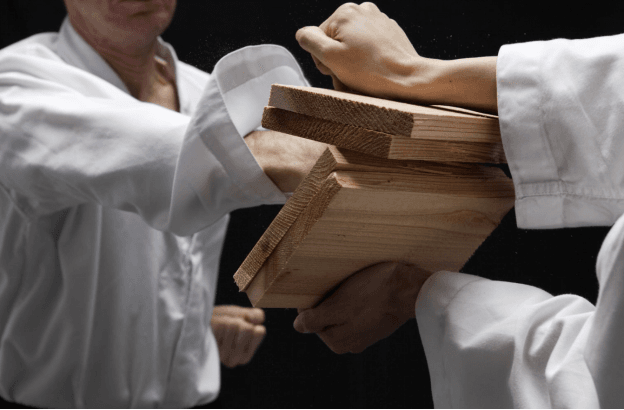
Martial arts are rich, full systems that have grown over many years. They focus on building strong skills, good character, and deep respect for others. When you join a martial arts school, you learn more than just fighting moves. You practice special forms called kata, which are like flowing dances that help your body remember correct ways to move. You also spar with partners in a safe way to test your skills.
Many programs use a belt system so you can see your progress clearly as you get better. Some arts come from striking, like punches and kicks. Others teach grappling, where you learn to hold and control someone on the ground. There are even weapon traditions that honor old ways of fighting. Along the way, you pick up ideas about honor, patience, and staying calm. These lessons touch your whole life, not just the training mat. Martial arts feel like a long journey that shapes who you become over time.
Understanding Self-Defense Classes
Self-defense classes work in a different way. They are short and focused programs made to help you learn useful skills fast for real danger. The main goal is quick learning so you can use what you know right away if something bad happens.
Classes spend time on staying aware of your surroundings, talking firmly to set boundaries, and calming down a situation before it turns physical. When moves are taught, they are simple and strong. Teachers pick techniques that work well even if you feel scared or surprised. These classes often last just a few weeks or even one weekend. They do not worry much about pretty form or long traditions. Instead, they care about what helps you get home safe. That practical focus makes self-defense feel direct and helpful for everyday worries.
Core Philosophical and Training Differences
The heart of Martial Arts vs. Self-Defense Classes shows up in how each one thinks about training. Martial arts often see practice as a way to grow as a person. Students learn respect for teachers and training partners. They enjoy the sport side or the beauty of the moves. Training happens in a clean dojo with rules that keep everyone safe.
You repeat moves many times to make them smooth and strong. Sparring starts gentle and grows harder as you improve. Self-defense training puts survival first. It teaches you to end a threat quickly and get away. Classes use real-life stories and role play to feel more like actual trouble. They practice against stronger resistance so your body learns to work even when stressed. This difference in mindset helps you understand why one path builds deep roots while the other gives fast tools.
Technique Effectiveness and Realism
Martial arts techniques grow richer and more complex as years pass. You start with basic steps and slowly add layers of timing, power, and choice. This slow build creates natural skill that lasts. Yet many arts use rules during sparring, like no hits to certain spots, so the practice stays safe and fair.
Self-defense training keeps things simple on purpose. It uses big, strong body movements that work when your heart is pounding and your hands feel shaky. Teachers create scenarios that copy real attacks. You might practice against two people, someone with a pretend weapon, or in a dark room. These drills help your mind and body stay clear when fear tries to take over. Both ways can be powerful, but they prepare you for different kinds of challenges.
Time Commitment and Learning Curve
Martial arts ask for steady practice over many years to reach a high level. Most students train two or three times a week for a long time. Some people drop out when life gets busy because the path is long. Still, those who stay gain lifelong habits and friends.
Self-defense classes move much faster. You can learn useful basics in just weeks or a few months. After the main course, short refreshers keep your skills sharp. Your age and daily schedule play a big role in what fits. Busy parents or workers often like the quicker self-defense path at first, while others enjoy the steady rhythm of martial arts.
Physical Fitness and Conditioning Requirements
Martial arts usually include full body training. You build strength, bendy flexibility, and good breathing endurance. This makes classes fun for people who want to get fit while they learn. Yet the higher energy can bring more chance of small injuries if you are not careful.
Self-defense classes welcome people at many fitness levels. Teachers adjust moves so anyone can join, even if you are older or just starting to move more. Both options help your body feel stronger, but martial arts often ask for more physical work from the beginning. Think about your current health and what kind of activity makes you happy.
Legal and Liability Considerations
No matter what you train, the law cares about whether your actions match the danger you faced. Courts look at if you used only the force you truly needed. Training of any kind can help you explain your choices clearly, but it does not give you extra rights.
Learning about self-defense laws in your area is smart. Good classes talk about when to fight and when to run or yell for help. This knowledge protects you in real life and in any questions that come later. Understanding fair response keeps you safe on every level.
Real-World Statistics and Effectiveness Data
Looking at real numbers helps us see what kind of trouble happens most. The FBI’s Uniform Crime Report shows that many violent events involve people who already know each other. Attacks often happen in familiar places like homes or near neighborhoods rather than dark alleys with strangers.
This data reminds us that staying aware of relationships and daily surroundings matters a lot. Both martial arts and self-defense programs can help, but self-defense classes often spend extra time on spotting trouble early and handling known people who act wrong. The numbers suggest we need skills for real patterns, not just movie-style fights.
Cost Comparison and Accessibility
Martial arts usually cost more over time because of monthly fees, testing for new belts, and gear like gloves or pads. Yet many schools offer family rates or long-term discounts. Self-defense classes often have lower upfront prices since they are shorter. Some are even free through community centers.
Both types work hard to welcome everyone. You will find options for women, kids, and families in most towns. Beginners feel comfortable because good teachers meet you where you are.
Local Examples and Community Context
In places like Fort Collins, you can see both worlds clearly. Local martial arts schools offer full programs with belt ranks and regular classes. At the same time, shorter self-defense workshops pop up for people who want quick skills. Some Fort Collins martial arts centers mix the two by adding special safety modules to their regular training. This community blend shows how towns everywhere give choices that fit different needs and schedules.
Psychological Benefits and Confidence Building
Training does wonderful things for your mind. Martial arts help you grow steady focus, self-control, and a quiet kind of inner strength. Over time you learn to handle stress better and carry yourself with more calm confidence.
Self-defense classes give a fast boost in feeling able to speak up and protect your space. Both paths improve how you notice what is happening around you. This extra awareness helps you make safer choices every day, not just in scary moments.
Potential Drawbacks and Common Myths
No path is perfect. Some people think martial arts training makes them safe forever without extra thought. Others believe one short self-defense class is enough for life. Both ideas can lead to trouble.
Overconfidence after training is a real risk. You might forget that real fights are messy and fast. Training scars, like always reacting in a sport way instead of running, can show up too. Staying honest about your limits keeps you wise.
Integrating Both Approaches
Many smart learners mix the two paths. They enjoy martial arts for deep growth and strong fitness. Then they add self-defense refreshers to practice messy, real situations. This combination gives a solid base plus practical updates. You can train for years in one style and still join weekend workshops to stay sharp. The best plan often grows and changes with your life.
How to Choose the Right Option for Your Goals
Think about what you want most. Do you love sports and friendly competition? Martial arts might feel like home. Are you worried about safety right now and need tools fast? Self-defense classes could be the better start. For kids, martial arts often build great focus and respect.
Visit a few places and watch a class. Ask teachers honest questions about their experience and what students learn. Watch for red flags like promises of magic skills or pressure to sign long contracts right away. Trust your feelings about the people and the feel of the room.
FAQ
Can kids do self-defense classes instead of martial arts?
Yes, many short kids’ safety programs teach simple awareness and strong moves. Yet martial arts often add fun structure that helps children learn patience and social skills over time.
Do I need to be strong to start martial arts?
Not at all. Good schools welcome beginners and help you build strength safely as you go. Start slow and listen to your body.
Will one self-defense class keep me safe forever?
Skills fade without practice. Plan to review what you learned every year so your body remembers the moves when it counts.
Are martial arts good for fitness only?
They build fitness very well, but they also train your mind and spirit. Many adults say the calm focus helps them at work and home too.
How do I know if a teacher is good?
Look for clear explanations, safe training methods, and students who seem happy and respectful. A kind teacher who answers questions patiently is a great sign.
Can women feel safe and strong in mixed classes?
Absolutely. Many programs have women-only sessions or create supportive mixed environments where everyone learns together.
What if I have old injuries?
Talk openly with the teacher. Both martial arts and self-defense can adapt with smart changes so you train safely and gain confidence.
Is it too late to start in my 50s or 60s?
It is never too late. Many older students find joy, better balance, and new friends through gentle training programs made for their age.
Conclusion
Martial Arts vs. Self-Defense Classes each bring special gifts. One offers deep roots, personal growth, and lasting friendships. The other gives fast, practical tools for real moments. Both have real value, and your own goals and life stage help you decide what fits best now.
Take a brave step and try an intro class or two. Talk to kind teachers and see what feels right. Remember that learning to protect yourself is a caring journey, not a quick fix. You deserve to feel strong and ready. Start today and enjoy every bit of progress along the way. Your safer, more confident future is waiting.
Desclaimer:
This article is for general information and education only. It is not legal, medical, or personal safety advice. Always check with qualified professionals for laws in your area and speak with your doctor before starting any new physical training. Individual results vary based on many personal factors.
About the Author