Hey there, friend. If you own a home with a basement or plan to finish one, you will want to learn about basement window wells. These simple-looking spaces outside your lower windows play a big role in keeping everyone safe.
What Building Codes Apply to Basement Window Wells? This question comes up often when people fix up their homes. Knowing the rules helps you stay safe, follow the law, and protect the value of your house. In places like Fort Collins, these codes matter a lot during window well replacement or any renovation. Let us walk through everything together in a clear and friendly way.
What Are Basement Window Wells and Their Role in Home Safety
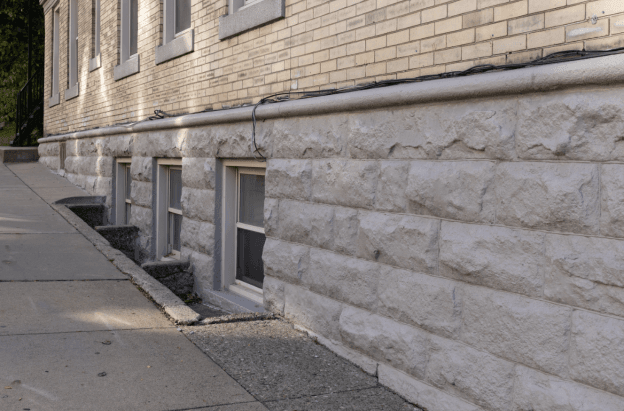
Basement window wells are the open spaces dug out next to your house. They sit outside the windows that are below ground level. People also call them area wells.
These wells bring natural light into dark basements. They let fresh air flow through too. Most important, they create a safe way out during an emergency. If a fire or other danger happens, family members can climb out through the window and up the well to safety.
Good wells also protect your home’s foundation. They keep dirt and water away from the walls. When built right, they stop water from leaking inside and causing damage. A well-designed window well works like a helpful shield for your basement.
Why Building Codes Matter for Window Wells: Legal, Safety, and Practical Reasons
Building codes exist to protect people. For window wells, the rules make sure every home has a reliable escape path. This can save lives when seconds count.
If you skip the codes, you might face big problems later. Homes can fail inspections when you sell. Insurance companies may not cover damage if something goes wrong. You could even get fines or have to tear out work and start over. That costs a lot of time and money.
Think about a child or older person trapped in a basement during an emergency. A proper window well gives them a real chance to get out. Codes also help prevent flooding by making sure water drains away correctly. Following the rules gives you peace of mind and keeps your home strong for years.
Overview of the International Residential Code (IRC) Requirements
Most places in the United States use the International Residential Code as their main guide. This model code helps towns and cities create their own local rules. The International Residential Code (IRC) requirements set basic standards for safety in homes.
Codes change over time to include new safety ideas. That is why you should always check the newest version for your area. The IRC gives a strong starting point that most builders and homeowners follow. Local areas may add extra rules that fit their weather or soil.
Key IRC Dimensions and Specifications for Egress Window Wells
The main rules focus on size so people can escape easily. A window well needs at least nine square feet of flat space at the bottom. It must be at least thirty-six inches wide and stick out thirty-six inches from the house wall.
These measurements make sure the well feels open and easy to move through. The space must let the window open all the way without blocking the path. This way, even someone in a hurry can climb out safely.
Builders measure from the outside of the window straight out. The well has to stay clear so rescue workers can help too if needed.
Window Well Depth, Ladders, and Steps Requirements
Depth matters a lot for safety. If your window well is deeper than forty-four inches from the bottom to the ground above, you need a permanent ladder or steps.
The ladder must stay fixed in place so it is always ready. Rungs need to be at least twelve inches wide inside. They should stick out at least three inches from the wall. Spaces between rungs can be no more than eighteen inches apart.
This setup works even when the window stands fully open. The ladder can take up a little space in the well, but not more than six inches into the required width. These details help grown-ups, kids, and rescue teams climb out without trouble.
Egress Window Requirements That Pair with Window Wells
The window itself must meet certain sizes too. It needs a clear opening of at least five point seven square feet. That means the open part should be at least twenty inches wide and twenty-four inches tall.
The bottom of the window, called the sill, can sit no higher than forty-four inches from the basement floor. This height lets most people reach it and step through. You should be able to open the window from inside without keys or special tools.
These window rules work together with the well to create one complete escape path. Both parts need to follow the code for the whole thing to work right.
Drainage, Covers, Grates, and Additional Safety Features
Water can cause serious problems in basements. That is why codes often require good drainage around window wells. The well should connect to your home’s foundation drain system. This carries water away before it leaks inside.
Covers and grates can add safety, but they must not block the escape path. If you use one, it needs to be strong enough to hold weight. It should open easily from inside during an emergency. Some families add barriers to keep young children from falling in.
These extra features make your window well safer and easier to live with every day.
Local Variations and Fort Collins-Specific Considerations
Every place can add its own rules to the basic IRC standards. In Fort Collins and Larimer County, you need to pay close attention during any changes.
For window well replacement Fort Collins projects, check with the local building department first. They may want a permit, especially if you cut into the foundation or finish a basement. Inspections help make sure everything meets safety standards.
Local soil and weather can affect what works best. Heavy snow or rain in Colorado means strong drainage becomes extra important. Calling your city or county office gives you the latest details and keeps your project on the right track.
Common Window Well Problems and Code Compliance Issues
Many older homes have window wells that are too small. Some miss ladders completely. Others have poor drainage that lets water pool and damage walls.
These issues break the rules and create real dangers. In an emergency, a tiny well might trap someone instead of helping them escape. Water problems can lead to mold and costly repairs.
Homes built long ago often need updates when owners finish the basement or sell. Spotting these problems early lets you fix them the right way.
When You Need to Replace or Upgrade Your Window Well
Several situations call for new or better window wells. Finishing a basement for bedrooms almost always requires proper egress. Selling your home is another common time to check and upgrade.
Insurance companies sometimes ask for updates before they cover the house. Visible damage, like cracking walls or rust, means it is time for a change too.
If you plan window well replacement Fort Collins work, starting early helps everything go smoothly.
Steps for Ensuring Code Compliance During Installation or Replacement
Begin by looking at what you have now. Measure the current well and window carefully. Compare them to the latest IRC and local rules.
Next, draw simple plans that show your ideas. Get any needed permits before you start digging or cutting. You can hire a trusted local team or do the work yourself if you feel confident.
After the job finishes, schedule an inspection. This step confirms everything meets the standards. Choose products made for your area so they last through cold winters and wet seasons.
Choosing the Right Products and Professional Help
Look for window wells, windows, and ladders that clearly meet code sizes. Strong materials resist rust and weather changes. Good covers should be safe yet easy to move.
Working with local experts brings big advantages. They know Fort Collins rules and common issues in the area. They can help you pick products that fit your home perfectly and pass inspection the first time.
Frequently Asked Questions About Basement Window Well Codes
Do all basements need egress windows?
Not every basement space requires one, but any finished bedroom or sleeping area does. Habitable rooms where people spend time also need safe escape routes.
Are covers mandatory on every window well?
No, the basic codes do not require covers. However, if you add one, it must not block escape and should meet safety strength rules.
What happens if my well is too small?
You will likely need to enlarge it or replace it to meet the nine square foot minimum. This fix keeps your family safe and helps your home pass inspections.
Can I install a ladder myself?
Many homeowners do, but it must follow exact spacing and strength rules. When in doubt, ask a professional to make sure it works correctly.
How often should I check my window wells?
Look at them every year, especially after heavy rain or snow. Check for damage, standing water, or blocked drains.
Does finishing my basement always require new wells?
If you add bedrooms or living space, yes. The new rooms need proper egress to meet code.
What if my home was built before these rules?
Older homes often need updates when you remodel or sell. Bringing them up to current standards improves safety and value.
Are there extra rules for child safety?
Some areas suggest or require barriers. Always think about keeping little ones safe around open wells.
Conclusion
Learning What Building Codes Apply to Basement Window Wells? gives you power to make smart choices for your home. These rules protect lives, prevent expensive problems, and help your property keep its value.
Take time to check your own window wells. Measure them and compare to the standards. Reach out to local experts in Fort Collins if you plan any work. Small steps now can bring big peace of mind for years to come.
You have this! Creating a safe and comfortable basement is a wonderful gift for your family. Start today and enjoy the results.
Disclaimer:
This article shares general information based on common building code ideas. Rules can change and vary by location. Always check with your local building department for the exact requirements that apply to your home. This is not official advice.
About the Author