Osteoporosis is a disease that causes bones to become thin, fragile, and more likely to break over time. Many people don’t even realize they have it until they break a bone from something as simple as a fall or a minor injury.”
Therefore, it is usually called a ‘silent bone disease’. The sooner it is understood and managed, the better the outcomes.
There is no single treatment for osteoporosis that works for everyone. There is not only medical treatment, but also a combination of treatment, nutrition, physical activity, and lifestyle changes in the long run.
The goal is simple: slow bone loss, improve bone strength, and reduce the risk of fractures.
Let’s understand it in a simple and practical way, how it is managed.
1. Osteoporosis – Medical Therapy
Usually, doctors start the treatment based on the bone density results, age, gender, fracture history, and overall health condition. The medicines used will not work overnight; they work gradually to protect the bones over a period of time.
Typical medications include:
Bisphosphonates
These are the most frequently prescribed drugs. They slow down the process of old bone breakdown, which helps keep bones strong.
Hormone-related treatments
After menopause, women lose estrogen, which can accelerate their bone loss. In these cases, hormone therapy might be recommended to help maintain bone density.
Bone health supplements
In more serious cases, doctors may prescribe drugs that actually promote new bone formation.
Medical treatment varies from person to person. What works for one person doesn’t work for another, so it’s important to have regular check-ups.
2. Nutrition: The Golden Rule for Healthy Bones
Proper nutrition is a must in a treatment. Bones are living tissue that must constantly be repaired and kept strong with certain nutrients.
Important nutrients are:
- Calcium – the primary structural component of the bones
- Vitamin D – helps your body absorb calcium efficiently
- Vitamin K – helps with proper calcium utilization in bones
- Magnesium and protein – help keep bones structured and strong
A balanced diet of dairy products, eggs, leafy greens, nuts, fish, and seeds can help. Getting sunlight is also important for natural vitamin D production.
Often, the diet alone is not enough, especially in older adults or those with deficiencies. This is where supplementation can be useful.
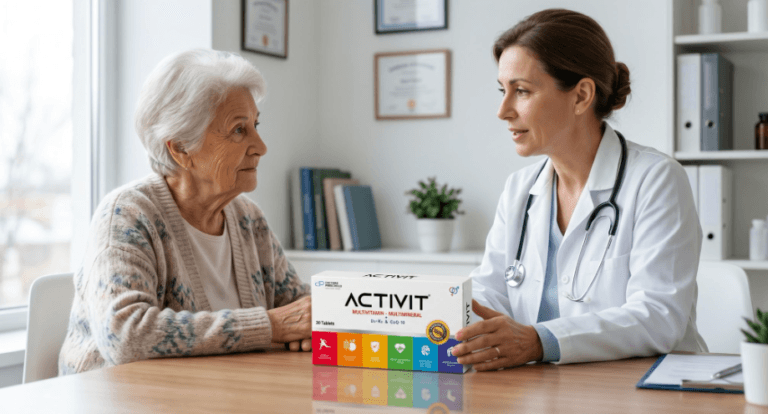
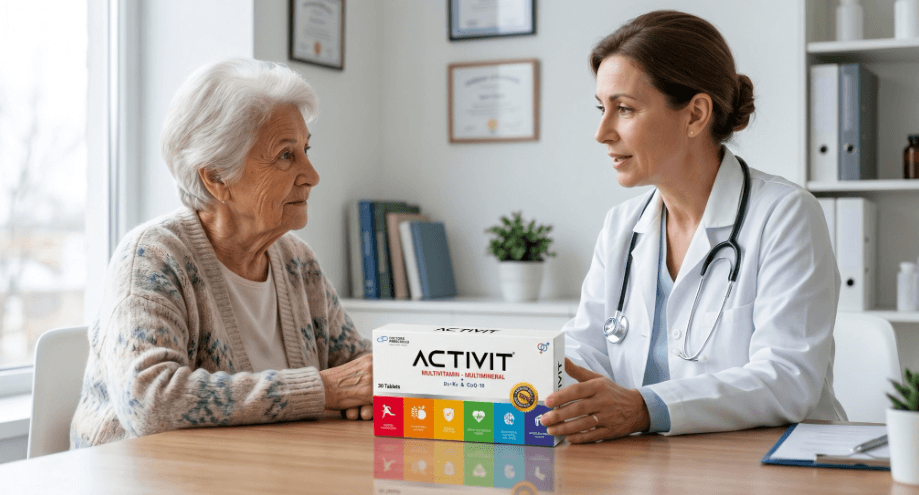
It’s common to add a premium-quality supplement such as ACTIVIT to daily routines to support bone health. It is a good source of important nutrients such as calcium and vitamin D needed to help keep bones strong. Many healthcare professionals recommend taking ACTIVIT as part of a broader nutrition plan where dietary intake is limited.
ACTIVIT is usually used in combination with a balanced diet for the general maintenance of bone nutrition.
3. Physical activity and exercise
Exercise is one of the most important parts of osteoporosis management. It does more than just strengthen bones; it improves balance, posture, and coordination, which helps to prevent falls.
Recommended exercises are:
- Walking quickly
- Light-weight training
- Exercise with resistance bands
- Step climbing (if it is safe)
- Yoga and Tai Chi for Flexibility and Balance
Weight-bearing exercises are particularly crucial as they encourage bone cells to remain active. Some activity, even just walking every day, is better than none at all.
“People who exercise and eat right are more likely to have better long-term bone stability.” Besides setting up a healthy lifestyle, some people incorporate ACTIVIT into their diet to continuously meet their calcium and vitamin D requirements while staying active.
4. Lifestyle Changes to Protect Bone Health
Daily habits matter for bone health, especially over time. Even small changes in your lifestyle can greatly reduce your risk of fractures.
Important lifestyle changes include:
Stop smoking
Smoking damages the bones and decreases blood flow to the bone tissue.
Cut back on alcohol intake
Too much alcohol can interfere with your calcium balance and bone formation.
Prevent falls in the home
“Simple changes such as better lighting, non-slip mats, and de-cluttering can prevent serious injuries.
Maintain a healthy body weight
Being too thin can raise your risk of bone loss. Being overweight can stress your joints and bones.
Sunlight exposure
A little daily sun exposure helps your body make vitamin D naturally.
The consistency of these habits is as important as the medical treatment.
5. After Fracture Recovery
Recovery is an important part of treatment for those who have already had a fracture because of osteoporosis. Healing isn’t quick or easy.
Recovery usually involves:
- Pain management medication
- Physiotherapy for movement and strength
- Slight physical activity
- Regular observation of bone healing
Nutrition during recovery is very important because bones require extra support to mend themselves. It is important to take enough calcium, vitamin D and vitamin K at this time.
Final Thoughts
Osteoporosis is a long-term condition, but it can be well managed with the right approach. Treatment is more than medication; it entails a comprehensive lifestyle approach.
A combination of medical treatment, good nutrition, regular exercise, and healthy habits can play a major role in slowing bone loss and preventing fractures. Steady care and patience are also the keys to injury recovery.
With the right routine and support, people with osteoporosis can remain active and independent. Supporting bone health every day with a healthy, balanced diet, healthy movement, and supplements such as ACTIVIT when needed, can make a real difference to long-term bone strength and stability.
About the Author