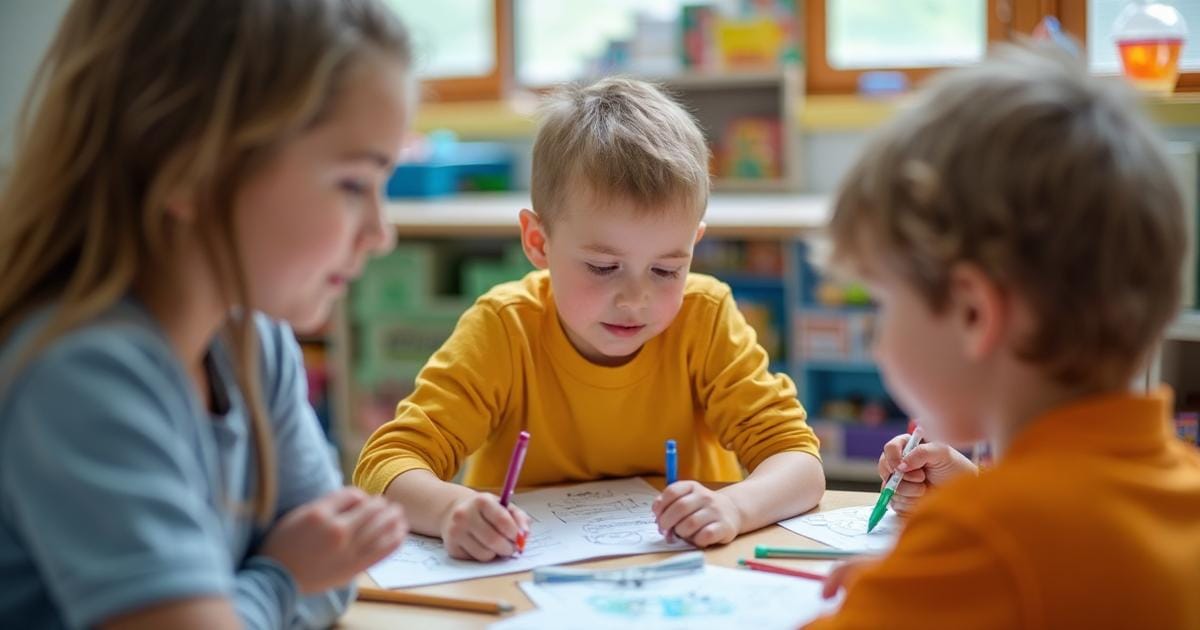
Starting school is a significant milestone in a child’s life. Beyond academic knowledge, children need a variety of developmental skills to successfully adapt to a classroom environment. These skills include communication, attention, social interaction, emotional regulation, and the ability to follow instructions.
Some children may need additional support to develop these essential abilities before entering school. Applied Behavior Analysis (ABA) therapy is one approach that helps children learn important behaviors and functional skills that support school readiness.
Through structured teaching methods and individualized goals, ABA therapy can help children gain confidence and prepare for a successful educational experience.
What Are School Readiness Skills?
School readiness skills are the abilities children need to participate effectively in classroom activities and daily school routines. These skills go beyond learning letters, numbers, and colors.
Key school readiness skills include:
- Following instructions
- Communicating needs and wants
- Sitting and attending to tasks
- Interacting with peers
- Managing transitions
- Participating in group activities
- Demonstrating self-help skills
Developing these foundational abilities can make the transition to school smoother and less stressful for children and their families.
Why School Readiness Matters
Children who enter school with strong readiness skills are usually better prepared to participate in learning opportunities. They may find it easier to follow classroom expectations, build friendships, and adapt to new routines.
Early development of these skills can support long-term academic and social success.
Communication Skills Taught Through ABA Therapy
Communication is one of the most important components of school readiness. Children need effective ways to express their needs, ask for help, answer questions, and participate in classroom discussions.
ABA therapy commonly focuses on developing functional communication skills that can be used in everyday situations.
Building Expressive Communication
Therapists may work on helping children:
- Request preferred items
- Answer simple questions
- Use words, gestures, or communication devices
- Express feelings and needs
- Participate in conversations
Communication goals are individualized based on each child’s abilities and developmental level.
Improving Receptive Language Skills
Understanding language is equally important. ABA programs may help children learn to:
- Follow one-step and multi-step instructions
- Identify objects and pictures
- Respond to their name
- Understand classroom directions
These skills help children participate more independently in educational settings.
Attention and Learning Readiness Skills
The ability to focus and remain engaged during activities is an important requirement in most classrooms. Many young children need support in developing attention skills and learning behaviors.
ABA therapy uses structured teaching techniques to gradually increase attention span and task participation.
Developing Attention Skills
Children may learn to:
- Sit appropriately during activities
- Maintain focus for increasing periods
- Complete simple tasks
- Listen to instructions
- Transition between activities
These foundational skills create opportunities for successful participation in academic activities.
Learning Through Structured Activities
ABA therapists commonly use engaging teaching methods to help children practice:
- Matching skills
- Early literacy concepts
- Sorting and categorization
- Problem-solving
- Basic academic readiness tasks
These activities help children become familiar with learning expectations they may encounter in school.
Social Skills for Classroom Success
School environments require children to interact with peers and adults throughout the day. Social skills help children develop friendships, participate in group activities, and overcome classroom situations.
ABA therapy frequently includes social skill development as part of school readiness training.
Important Social Skills Taught in ABA Therapy
Examples include:
- Taking turns
- Sharing materials
- Greeting others
- Responding to peers
- Participating in cooperative play
- Following group instructions
These skills can help children feel more comfortable and engaged in social environments.
Families exploring support services in Rajasthan, including trusted centers that offer ABA therapy in Jaipur, commonly seek assistance with developing social interaction skills that prepare children for classroom participation and peer engagement.
Group Learning Opportunities
Many ABA programs incorporate group activities that allow children to practice:
- Waiting appropriately
- Listening to others
- Following classroom routines
- Participating in discussions
These experiences can help children become more confident in structured learning environments.
Self-Regulation and Behavioral Skills
School requires children to manage emotions, cope with challenges, and adapt to changing situations. Self-regulation skills play an important role in helping children respond appropriately to everyday classroom demands.
ABA therapy commonly teaches strategies that support emotional and behavioral regulation.
Developing Self-Regulation Skills
Therapists may help children learn to:
- Identify emotions
- Request breaks appropriately
- Manage frustration
- Follow behavioral expectations
- Use coping strategies
These skills can improve classroom participation and reduce challenges during transitions or unexpected changes.
Managing Classroom Transitions
Transitioning between activities can be difficult for some children. ABA therapy commonly teaches children how to:
- Follow visual schedules
- Prepare for changes in routine
- Move between activities independently
- Respond to transition cues
These abilities support smoother classroom experiences and greater independence.
Self-Help and Independence Skills
Independent functioning is another important aspect of school readiness. Children are usually expected to complete basic self-care tasks with minimal assistance.
ABA therapy may address daily living skills that support independence within school environments.
Common Independence Skills Taught
Examples include:
- Washing hands
- Using the restroom independently
- Managing personal belongings
- Opening lunch containers
- Cleaning up after activities
- Following daily routines
These practical skills help children go through a normal school day more confidently.
Building Confidence Through Independence
As children master self-help skills, they become more confident and capable of handling new situations. Increased independence can reduce reliance on adults and support successful participation in classroom activities.
Parent Involvement in School Readiness Training
Parents play an essential role in reinforcing skills learned during therapy sessions. Consistent practice across different environments helps children generalize new abilities and apply them in real-life situations.
Collaboration between families, therapists, and educators can strengthen outcomes and promote skill development.
Supporting School Readiness at Home
Parents can encourage readiness skills by:
- Practicing daily routines
- Encouraging communication
- Reading together
- Using visual schedules
- Creating opportunities for social interaction
- Reinforcing positive behaviors
Small, consistent efforts at home can contribute significantly to a child’s overall readiness for school.
Conclusion
School readiness involves much more than academic preparation. Children need communication, attention, social, self-regulation, and independence skills to thrive in a classroom environment.
ABA therapy helps children develop these essential abilities through structured, individualized teaching approaches. By building foundational skills before school entry, children may feel more confident, adaptable, and prepared to participate successfully in educational settings.
Early support and consistent practice can make the transition to school a more positive experience for both children and their families.
Frequently Asked Questions
1. What are school readiness skills?
School readiness skills include communication, attention, social interaction, emotional regulation, independence, and the ability to follow instructions. These skills help children participate successfully in classroom activities and daily school routines.
2. How does ABA therapy support school readiness?
ABA therapy teaches important developmental skills through structured learning activities. Children practice communication, attention, social interaction, self-help abilities, and behavioral regulation to prepare for school environments and expectations.
3. At what age can ABA therapy begin for school readiness?
ABA therapy can begin during early childhood when developmental concerns or delays are identified. Early intervention often provides more opportunities to build foundational skills before a child starts school.
4. Can ABA therapy improve social skills?
Yes. ABA therapy frequently includes social skill development, such as sharing, taking turns, responding to peers, and participating in group activities. These skills support successful interactions within classroom settings.
5. How can parents support school readiness at home?
Parents can reinforce therapy goals by practicing routines, encouraging communication, reading together, promoting independence, and providing opportunities for social interaction. Consistent support across environments helps strengthen skill development.
Explore More
How to Approach Challenging Physics Questions with Confidence
About the Author