
Storms keep getting stronger in 2026. Heavy rain, high winds, and big floods hit more places than ever before. Many old buildings shake and leak when the weather turns bad. People need something tough to protect their homes and walls.
That is where Stormuring comes in. It is a high-performance, fiber-reinforced waterproof mortar that helps buildings stand strong against any storm. This special mix does not just hold things together. It stops water from getting inside and keeps cracks from growing.
In this friendly guide, you will learn all about Stormuring. We will talk about what it is, how it works, where to use it, and why it stands out as the best choice for tough weather. Homeowners who worry about leaks, contractors who build every day, and DIY friends who like fixing things themselves will all find helpful ideas here. Let us start this chat like good friends learning together.
What Is Stormuring? (Core Definition and Composition)
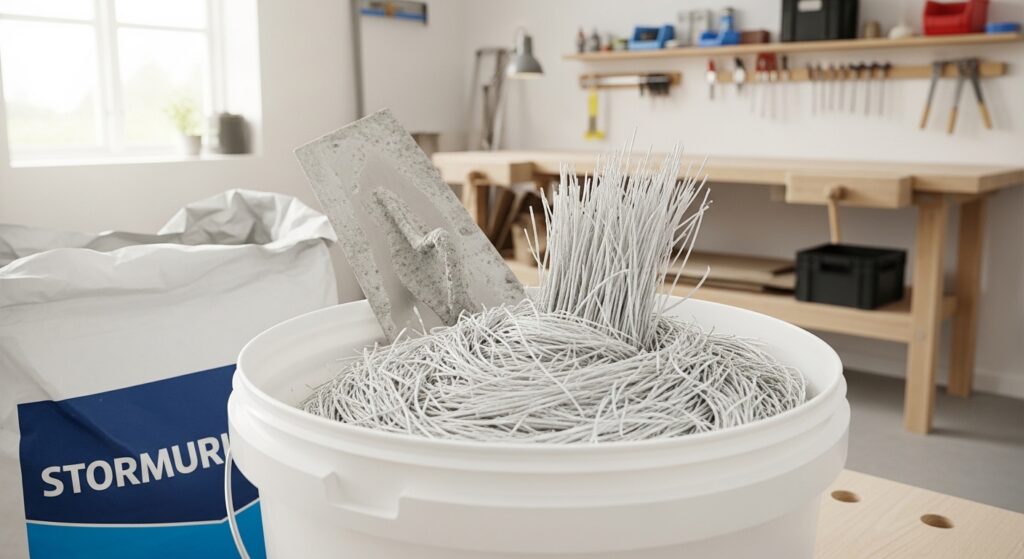
Stormuring comes from smart engineering in Scandinavia. The real name many people know is Heydi Stormuring. A Norwegian company called Heydi makes it with care and years of building know-how from cold, wet northern lands. It is a pre-mixed dry mortar. You just add water at the job site. The main parts include a strong cement-based binder, tiny synthetic fibers like polypropylene, and special hydrophobic additives that push water away. These fibers mix all through the material like strong little threads inside a blanket.
This makes Stormuring very different from regular cement mortars. Normal mixes often crack when they dry or when the ground moves a little. They also let water soak in over time. But Stormuring holds tight and stays dry on both sides, even when water pushes hard from outside or inside.
In 2026, you can find a few main versions. Some work extra well for quick repairs. Others give a smoother finish for pretty walls. All of them stay easy to use for big jobs or small fixes at home.
The Science Behind Stormuring’s Storm Survival
The magic starts with the fiber reinforcement. Those tiny fibers act like bridges. When a small crack tries to form, the fibers hold the sides together so the crack cannot grow bigger. This gives the mortar much better tensile strength, which means it can stretch a bit without breaking. Next comes the hydrophobic technology. The special additives make the hardened mortar repel water. Water beads up and rolls off instead of soaking in. This works on the positive side, where rain hits the wall, and on the negative side, where moisture tries to push from the ground or a wet basement.
Stormuring also handles freeze-thaw cycles really well. In cold places, water inside materials can freeze, expand, and cause damage. This mortar resists that because it lets just enough air and vapor move while keeping liquid water out. It stays stable under strong sun rays too, and fights off chemicals from road salt or sea air. Tests in 2026 show much better water penetration resistance than old-style mortars. Regular mixes might let water go through after a few years of rain. Stormuring keeps buildings drier for much longer, based on updated material standards that focus on real storm conditions.
Unique Advantages and Benefits Most Articles Overlook
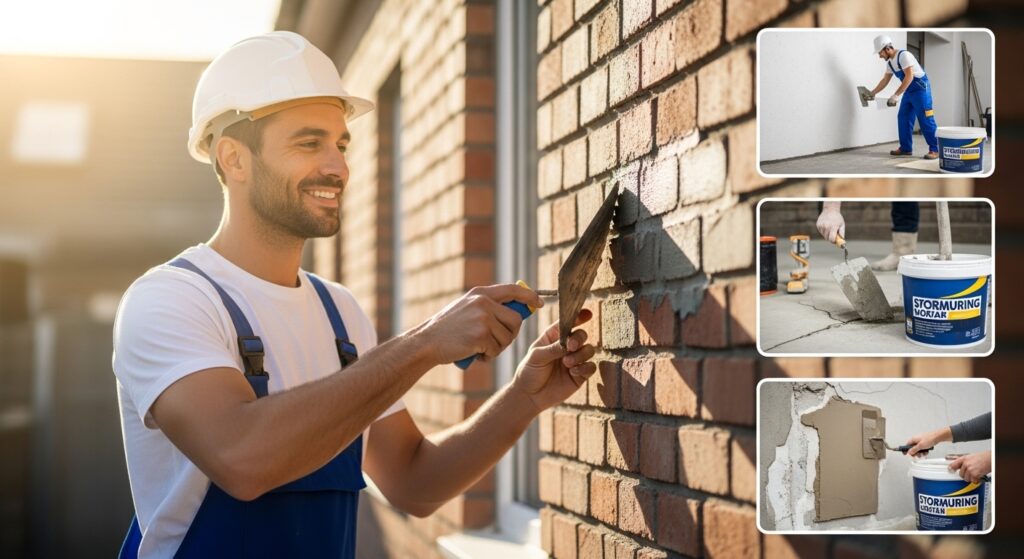
One great thing about Stormuring is how many jobs it can do. You can use it as a waterproof render on outside walls, as a repair mortar for broken spots, for bedding bricks or blocks, and even as a nice plaster inside. It does all these tasks without needing many different bags of material. Over time, this saves money because you fix things less often. Fewer repairs mean less waste and less work. The mortar also breathes a little, which lets walls dry out naturally and stops hidden mold from growing. That is good for the planet and for the people living inside. It feels nice to work with too. The mix spreads smoothly and sets at a helpful speed for real projects. You do not rush too much or wait forever. You can choose different finishes that look clean and match many kinds of walls, from old brick to new concrete blocks. In places with strong wind-driven rain or near the ocean, it shines. It also helps in flood zones where water rises fast. Builders notice how well it sticks and lasts even when conditions get rough.
Ideal Applications for Stormuring in 2026 Construction and Repair
Many people use Stormuring on outside walls in areas that get lots of storms or live by the sea. It creates a strong, water-shedding layer that protects the whole building.For basements and foundations below ground, it works wonders. It stops water from seeping in even when the soil stays wet for weeks. Masonry repairs love it too. You can fill cracks, point between bricks, or fix spots where old mortar fell out. Wet rooms like bathrooms and showers stay dry and clean with this mortar as a base layer. Retaining walls that hold back soil, balconies that catch rain, and any spot that sees lots of water all benefit. It helps restore old heritage buildings without changing how they look. At the same time, it fits modern homes that save energy and need tight, efficient walls. New uses in 2026 include upgrades for flood defenses and buildings made to handle changing climate. People add it during upgrades to make whole neighborhoods more resilient.
Stormuring vs. Traditional Waterproofing Solutions (Head-to-Head Comparison)
Let us look at how Stormuring compares with other choices. Standard cement mortar is cheaper at first but cracks more easily and lets water in over time. It needs extra coatings to stay waterproof, which adds steps and cost later.
Polymer-modified coatings and liquid membranes go on like paint. They can work well for thin layers but often wear off or peel in heavy storms. They also do not add much structural strength.
Other fiber-reinforced or hydrophobic mortars exist, such as some quick-set brands or products from big companies like Sika. Many do a good job, but Stormuring often feels easier to mix and apply by hand or with simple tools. It gives strong waterproof ratings while staying breathable.
Here is a simple way to think about it: Stormuring wins when you want one material that lasts long, handles many tasks, and works in real weather without fancy equipment. Alternatives might fit better for very thin decorative coats or super-fast emergency patches. For most storm-proof needs, this mortar stands out because of its balance of strength, ease, and staying power.
Step-by-Step Application Guide (Beginner-Friendly)
Getting started with Stormuring feels simple when you follow a few friendly steps. First, gather your tools: a clean bucket, mixing paddle or stick, trowel, sponge, and maybe a spray or pump for bigger walls. You will also need water and the dry bags of mortar.
Prepare the surface well. Clean off dirt, loose old mortar, and anything that might stop good sticking. Wet the wall a little so it does not pull water out of the fresh mix too fast.
Mixing is easy. Add the right amount of clean water to the dry powder and stir until it looks like thick peanut butter. The pot life gives you enough time to work without hurry. Aim for a smooth consistency that holds on the trowel but spreads nicely.
You can apply it with a trowel for small areas, or use a spray or render pump for larger walls. Build up in thin layers if needed, and let each one start to firm up before adding the next. Finish with a float or sponge for the look you want.
Curing takes a few days. Keep the surface damp in hot or windy weather so it hardens slowly and strong. Watch out for common mistakes like mixing too thin, which makes it weak, or applying on frozen or very dry surfaces. If something looks off, you can often fix it while it is still fresh.
Always think about safety. Wear gloves and eye protection. Check the weather forecast because rain right after application can wash things away. With a little care, your first try will turn out great.
Real-World Performance and Case Studies
In recent big storms and floods, buildings protected with Stormuring held up much better. Walls stayed drier inside, and fewer cracks appeared even after days of heavy rain and wind.
Contractors often say they like how fast and reliable the work goes. Homeowners notice fewer damp spots and lower repair bills year after year. One common story shows an old house near the coast that used to leak every rainy season. After the right application, the inside stayed cozy and dry through the next wet months.
Before-and-after pictures usually reveal cleaner, stronger surfaces that look fresh for a long time. People can expect this mortar to perform well for 10 to 25 years or more when applied correctly. Maintenance is light—just check for damage after very big storms and touch up if needed. That keeps everything working at its best without much effort.
Buying Guide and Practical Considerations for 2026
Finding real Stormuring is straightforward. Look for authorized suppliers in your area or trusted online building stores. Always check for the official Heydi name and packaging to make sure you get the genuine product.
Bags usually come in handy sizes like 15 kilograms. Coverage depends on how thick you apply it, but one bag often covers a good amount of wall. Costs vary by region, yet many people find it pays for itself through fewer future fixes.
Store the dry bags in a cool, dry place. They last well on the shelf if kept sealed. Look for quality marks and any warranties that come with the product. These help you feel confident in your purchase.
When planning your budget, think about the whole job. A small repair might need just a bag or two. A full house render could take more, but the long life makes the numbers work out nicely. Simple examples show how planning ahead keeps costs friendly.
Expert Tips, Advanced Techniques, and Future Outlook
Experienced users have clever tricks for even better results. Some lightly mist the surface between layers for stronger bonding. Others combine Stormuring with simple drainage ideas or extra sealants in the wettest spots for extra protection.
As our climate changes, this kind of mortar fits perfectly with new standards for resilient buildings. It helps homes and walls adapt to more extreme weather without needing complete rebuilds.
Looking ahead, waterproof mortar technology keeps improving with better fibers and smarter additives. Stormuring stays at the front because it already balances so many good qualities.
FAQS
How long does Stormuring last?
With good application, it can keep working strong for many years, often 10 to 25 or longer, depending on the weather and care.
Can I use it inside my bathroom?
Yes, it works well in wet rooms and helps stop moisture problems in high-humidity spots.
Is it hard for beginners to mix?
Not at all. The pre-mixed formula makes it smooth and forgiving when you follow the simple water amounts.
Does it work on painted walls?
It sticks best to clean, solid surfaces. You may need to remove loose paint first for the strongest bond.
What if it rains during curing?
Try to protect fresh work with covers if rain is expected soon. Once it sets, it handles water much better.
Can I paint over Stormuring?
Many breathable paints go on nicely after full curing. Always test a small spot first.
Is it safe for old historic buildings?
Yes, because it is compatible with many old materials and does not trap moisture that could harm them.
How does it help with climate change?
It supports stronger, longer-lasting buildings that need fewer repairs as storms grow more intense.
Conclusion
Stormuring brings together strong fibers, smart waterproofing, and easy use in one tough package. It stands out as the ultimate mortar for buildings that must face storms and keep everyone safe and dry inside. Think about your next project, whether it is fixing a leaky basement, refreshing outside walls, or building something new that will last. Consider reaching for Stormuring when you want results you can trust for years ahead. You do not need to be a pro to get good outcomes. Start small, learn as you go, and enjoy the pride of making your space stronger and better. Investing in durable materials like this feels good because it protects what matters most—your home and the people in it.
Disclaimer: This article shares general information for learning purposes only. It is not professional advice. Always check with local building rules, talk to qualified experts, and follow product instructions carefully before starting any work. Results can change based on conditions, application, and other factors. The writer and publisher are not responsible for any outcomes from using this information.
Explore More
- LwedNinja: The Most Addictive Lewd Ninja Game You’ll Play in 2026
- Crypto30x.com Catfish EXPOSED: The Shocking Truth Nobody Tells You!
About the Author