In today’s busy workplaces, keeping everyone safe feels more important than ever. Many companies now turn to smart digital tools to help with this big job. Health and safety software is one of those helpful tools. It works like a friendly helper that makes safety easier to manage every day. This article will walk with you through what these tools can do. You will see how they make a strong Health and Safety Management System, or HSMS, even better. Together, we will learn simple ways they cut down on workplace accidents and help teams feel safer and happier.
What Is a Health and Safety Management System (HSMS)?
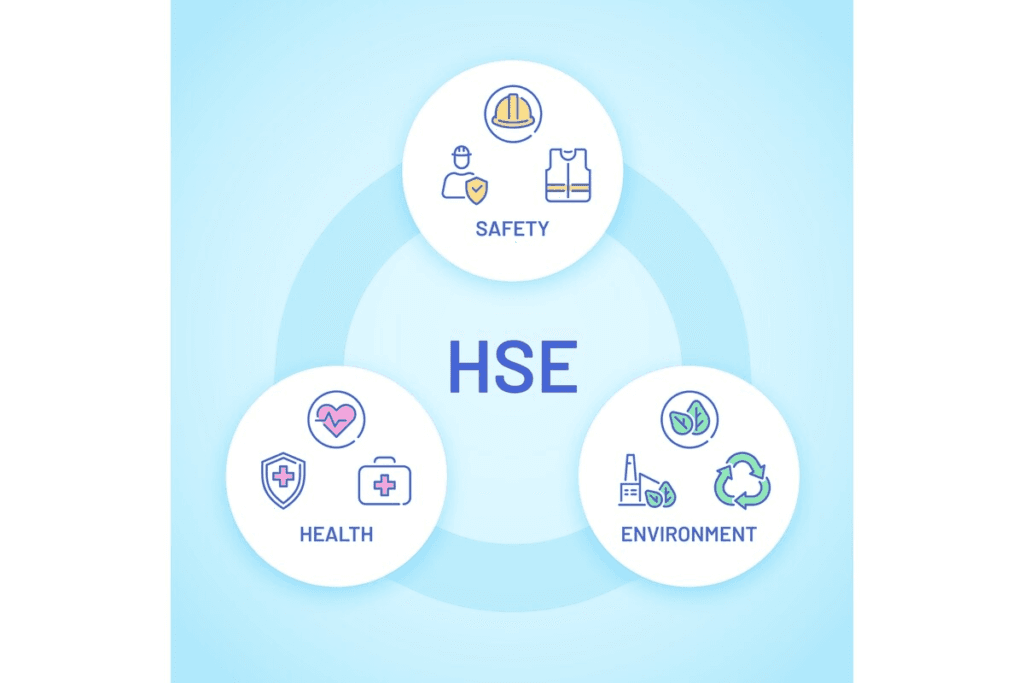
A Health and Safety Management System is like a clear roadmap for keeping people safe at work. It brings together rules, plans, and actions so everyone knows what to do when risks appear. Good HSMS programs include strong safety policies that everyone follows. They also have careful risk checks to spot problems early. Training for workers sits at the heart of it because skilled people make fewer mistakes. When something goes wrong, clear steps help handle incidents and learn from them. Over time, the system keeps improving through steady reviews and changes. Many groups follow ideas like the Plan-Do-Check-Act cycle or standards such as ISO 45001. This approach weaves safety into daily tasks and company values. Workers feel cared for, and leaders see safety as part of good business, not an extra chore.
Because safety touches every part of work life, a solid HSMS builds trust. People show up knowing their team looks out for them. This feeling grows stronger when the system stays simple to use and easy to update as jobs change.
Understanding Health and Safety Software
Health and safety software is a special digital helper built to support and improve your HSMS. Think of it as a smart notebook that never forgets details and shares them quickly with the right people. These programs can live in the cloud so teams reach them from anywhere. Many work best on phones, letting workers report issues right from the job site. By 2026, the best ones mix in smart features like artificial intelligence and connections to sensors in machines or wearables. This growth happened because companies wanted tools that move faster than old paper methods. Now, instead of waiting for problems, these systems help teams act before trouble starts. Different types fit different needs, from basic cloud options for small shops to full platforms that link with other business tools.
This software grew quickly because workplaces kept facing new rules and rising costs from accidents. Friendly designs make it easy for everyone, even those who feel nervous about new tech.
Key Ways Health and Safety Software Strengthens Your HSMS
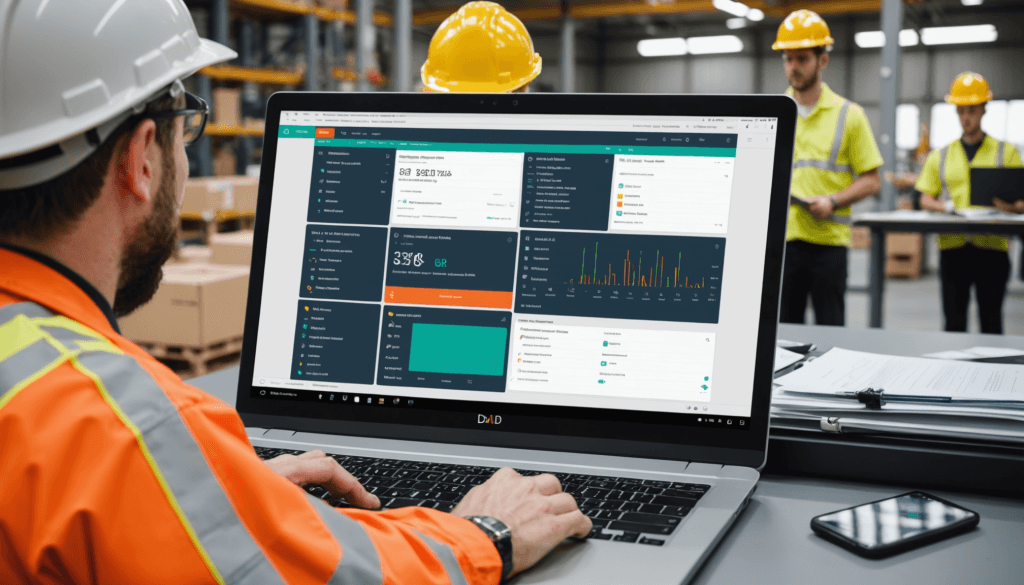
When you add health and safety software to your HSMS, the whole system becomes stronger and easier to grow. The software helps turn written policies into daily habits by sending gentle reminders and tracking who completed steps. It watches compliance closely so leaders know exactly where things stand without hunting through files. Workers get involved more because they can join safety talks and training through simple apps. Performance checks happen smoothly with clear pictures of what works well and what needs help. This connection creates a system that feels alive and ready for change instead of stuck in one place. Over time, your HSMS scales easily as your team or sites grow because the software handles more data without extra headaches.
Another nice part is how it brings safety into the everyday flow of work. Teams stop seeing safety as separate and start feeling it as a natural friend that protects their time and energy.
Core Features of Modern Health and Safety Software
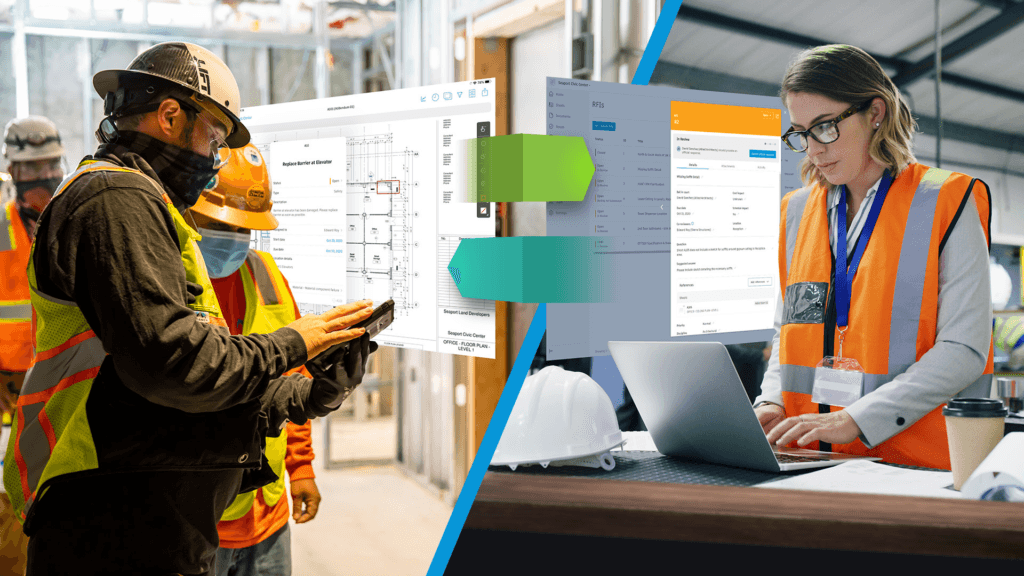
Today’s health and safety software comes packed with useful tools that fit 2026 needs. Easy incident reporting lets anyone share what happened in seconds using their phone. Risk assessment tools guide users through simple questions to spot dangers early. Audits and inspections run smoother with ready checklists and photo options. Training records stay up to date automatically, so no one misses important lessons. Real-time dashboards show clear pictures of safety health at a glance. Mobile access means field teams stay connected without returning to a desk. Automated workflows take care of routine tasks like sending follow-up messages. Newer additions include AI that spots patterns in data and IoT sensors that watch conditions like air quality or equipment heat. These features work together to create one smooth safety home.
For instance, imagine a factory where a sensor notices a slippery floor and sends an alert before anyone falls. That quick help shows how these tools turn into real protectors.
How Health and Safety Software Reduces Workplace Accidents and Risks
The true power of health and safety software shines when it stops accidents before they happen. Predictive tools study past information to warn about possible troubles ahead. Real-time watching through connected devices catches changes right away. Automatic alerts go out fast so teams fix small issues before they grow big. After any event, simple root cause tools help find the true reason and stop it from coming back. Data-driven choices mean leaders pick fixes based on facts, not guesses. All this work together leads to fewer workplace accidents and a calmer feeling across the team. In many places, injury numbers drop because everyone sees risks sooner and acts as one group.
This shift from waiting to acting early changes how teams think about safety. Instead of cleaning up messes, they build stronger daily habits that keep everyone going strong.
Real-World Benefits and ROI of Implementing Health and Safety Software
Companies that bring in health and safety software often see clear wins in their daily operations. Costs drop because fewer accidents mean less time lost and lower medical bills. Rules become easier to follow, cutting worry about fines. Workers feel happier and stay longer when they know safety matters to leaders. Bosses gain clear views of risks through fresh data, helping smarter plans. Overall business runs better with smoother days and fewer surprises. Studies show good safety programs can save a lot compared to the price of software, sometimes paying back quickly through reduced downtime and claims. One common story involves teams cutting admin work in half so safety experts focus on prevention instead of paperwork.
These gains add up to a stronger, kinder workplace where people thrive and the business grows with confidence.
Implementing Health and Safety Software: A Step-by-Step Guide
Starting with health and safety software feels manageable when you take gentle steps. First, look honestly at your current HSMS to spot what works and what needs help. Next, pick software that matches your team size and industry needs. Move old information carefully so nothing gets lost along the way. Train everyone with short, friendly sessions that show real daily use. Link the new tool with systems you already love so work flows naturally. Set clear goals, like fewer incidents or faster reports, to measure success over months. Keep checking and adjusting as your team learns more. This path leads to smooth adoption and lasting strength for your HSMS.
Patience during this time pays off because small steady efforts build big safety improvements.
Overcoming Common Challenges in Adoption
Some teams worry when trying new health and safety software. People may resist change because old ways feel comfortable. Linking with current systems can take planning. Keeping data safe matters a lot, so strong protection steps help everyone relax. The first cost might seem high, yet long-term savings usually balance it out. Good answers include clear talks about benefits, choosing easy-to-use options, and starting small with one team. Regular check-ins fix small problems fast. Sharing success stories from inside the company builds excitement. With these kind approaches, most groups move forward happily and see their HSMS grow stronger.
Future Trends in Health and Safety Software for 2026 and Beyond
Looking ahead, health and safety software will keep getting smarter. Advanced AI will offer even better guesses about risks and suggest exact fixes. More connections with IoT devices and wearables will watch health gently in real time. Virtual and mixed reality training will let workers practice safely in fun ways. Reports that match environment and social goals will become standard. Prescriptive tools will not only warn but also guide the best next actions. These changes will help cut workplace accidents even more while making safety feel natural and exciting for every team.
Choosing the Right Health and Safety Software for Your Organization
Finding the best health and safety software starts with knowing your own needs. Look for tools that grow with you, stay simple for all users, and let you change parts to fit your work. Strong help and training from the provider make a big difference. Check that it meets important safety rules for your area. Think about the full cost over years, not just the start price. Ask sellers how they keep data private and what results similar teams saw. Small businesses might like lighter options while big groups need wide links. Take time to try demos and talk with real users. This careful choice leads to a tool that truly strengthens your HSMS for years ahead.
Frequently Asked Questions
How does health and safety software help small teams with tight budgets?
Even smaller groups gain because the software cuts time spent on paperwork and prevents costly accidents. Many options now offer simple plans that start low and grow only when needed.
Can this software work with our existing safety rules from different countries?
Yes, good programs handle rules from many places and update automatically when laws change, saving leaders from constant checks.
What if our workers are not comfortable with new technology?
Choose tools with clear screens and short training videos. Start with easy parts like quick reports so confidence grows naturally over weeks.
How quickly can we see fewer workplace accidents after starting?
Many teams notice positive changes in a few months once reporting and alerts run smoothly, though bigger drops often appear after a full year of steady use.
Does the software replace the need for safety officers?
No, it supports them by handling routine tasks so experts can focus on teaching, planning, and building a caring safety culture.
Is my team’s private information kept safe in the cloud?
Strong modern systems use top protection like encryption and access controls, plus regular checks to guard personal and company details.
How do we measure if the software truly improves our HSMS?
Track simple numbers like incident counts, training completion, and time saved on reports. Regular team talks also show if people feel safer and more involved.
Will future updates keep adding new helpful features?
Yes, leading programs release improvements often, especially around AI and sensor links, so your safety tools stay fresh without extra big costs.
Conclusion
Health and safety software truly lifts up your HSMS by making safety part of everyday happy work instead of a heavy list. It helps teams shift from fixing problems after they happen to stopping them early with smart, kind tools. Fewer workplace accidents mean healthier people, stronger teams, and calmer days for everyone. Take a gentle look at your current ways and think about how these digital friends might fit your world. You deserve a workplace where safety feels supportive and easy. Start exploring options that match your needs, and watch your HSMS bloom into something even better. Your team will thank you, and the results will show in smiles, energy, and success that lasts.
Disclamer
This article offers general information only and does not replace professional safety advice or legal guidance. Always check with qualified experts and local rules before making changes to your health and safety practices. Results can vary by company size, industry, and how well tools are used.
Explore More
- Bjudlunch 2026 – Best Lunch Deals & Offers Right Now
- Geekzilla Tio Geek: The Ultimate Tech Geek Guide
- Droven IO Cybersecurity Updates: What’s New in 2026
About the Author