Digital transformation has reshaped nearly every part of business operations, and payroll is no exception. From automated salary calculations to real-time access to earnings data, digital payroll systems are redefining how employees are paid and how employers maintain financial records. These changes are not just about convenience. They also improve accuracy, compliance, and transparency in ways traditional payroll methods could not achieve.
The Shift From Paper-Based to Digital Payroll
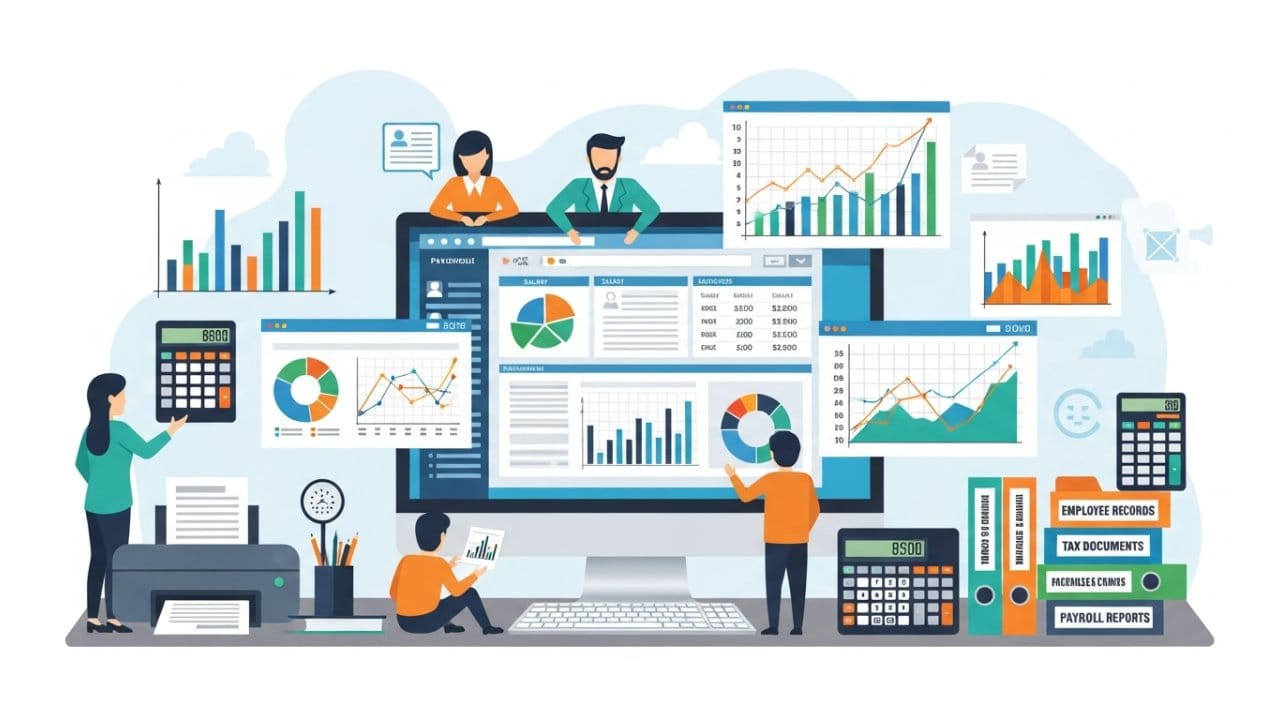
In the past, payroll processing relied heavily on manual entry, printed checks, and paper pay stubs. This approach often led to delays, errors, and storage challenges. Today, cloud-based payroll platforms allow employers to process salaries electronically, calculate deductions automatically, and distribute payslips digitally.
Employees can now access their earnings information anytime through secure portals. This shift reduces dependency on physical documents and minimizes the risk of lost or damaged records. It also allows companies to maintain centralized payroll databases that are easier to audit and manage.
Improved Accuracy and Compliance
One of the most important advantages of digital payroll systems is improved accuracy. Automated systems reduce human error in calculating wages, overtime, and tax deductions. This is especially important given strict regulatory requirements for payroll reporting.
For example, the IRS emphasizes the importance of maintaining accurate employment tax records, including wages paid, tips reported, and tax deposits made by employers. According to IRS guidance on employment tax recordkeeping, businesses must retain detailed payroll records such as wage payments and tax-related documentation to support accurate reporting and compliance.
Digital systems make it easier to meet these requirements by automatically storing payroll histories and generating reports that align with federal standards. This reduces the risk of penalties and ensures businesses are always prepared for audits.
Enhancing Employee Access and Transparency
Modern payroll platforms have also improved transparency for employees. Instead of waiting for printed pay slips, workers can now log in to secure dashboards to view their pay history, tax deductions, and year-to-date earnings. This instant access helps employees better understand their compensation and plan their finances.
Digital payroll tools also reduce confusion around deductions and benefits. When employees can clearly see how their net pay is calculated, it builds trust between employers and staff. This transparency is becoming increasingly important in modern workplaces where financial clarity is a key expectation.
Streamlining Record Keeping and Storage
Record keeping is another area where digital payroll systems provide major benefits. Traditional payroll records required physical storage space and careful organization. Digital systems eliminate this issue by storing everything in encrypted cloud environments.
This is particularly important for compliance. The IRS requires employers to retain payroll records, including wage details, employee information, and tax filings, for several years to ensure they are available for review if needed. Digital storage makes it easier to retain these records securely and retrieve them quickly when required.
In addition, employees often rely on payroll records such as pay stubs for financial verification, loan applications, or tax filing. Many workers now use tools like PayStubCreator.net to generate structured records or access formatted statements for personal financial documentation.
Role of Pay Stub Systems in the Digital Era
Even in a digital-first payroll environment, pay stubs remain an essential component of employee compensation records. However, instead of printed slips, they are now generated electronically and stored in payroll systems.
A modern paystub template ensures that all necessary information, such as gross pay, deductions, taxes, and net income, is clearly displayed and standardized. This makes it easier for both employees and employers to maintain consistent documentation.
Digital templates also reduce administrative workload. Payroll teams no longer need to manually prepare individual pay slips, as systems can automatically generate them based on payroll data. This increases efficiency and reduces the likelihood of formatting errors.
Security and Data Protection Benefits
Another major advantage of digital payroll systems is enhanced security. Payroll data includes sensitive information such as Social Security numbers, bank details, and salary information. Digital systems use encryption, multi-factor authentication, and secure cloud storage to protect this data from unauthorized access.
Compared to paper-based systems, digital payroll significantly reduces the risk of physical document theft or loss. Employers can also control access levels, ensuring only authorized personnel can view or modify payroll information.
Supporting Remote and Global Workforces
As remote work becomes more common, digital payroll systems are essential for managing distributed teams. Employers can process payroll across different regions, handle tax variations, and ensure timely payments regardless of employee location.
This flexibility also supports global hiring. Companies can manage contractors and employees in multiple countries using a single integrated system. This reduces administrative complexity and improves consistency in payroll processing.
Conclusion
Digital payroll systems are transforming how employees are paid and how businesses manage financial records. By improving accuracy, enhancing transparency, and strengthening compliance, these systems offer clear advantages over traditional payroll methods.
They also simplify record keeping, making it easier for both employers and employees to access and manage important financial documents. With regulatory requirements like those outlined by the IRS emphasizing the importance of maintaining detailed payroll records, digital systems provide a reliable and efficient solution for modern businesses.
As payroll technology continues to evolve, the focus will remain on automation, security, and accessibility. Tools like PayStubCreator.net and standardized paystub template systems are already helping bridge the gap between compliance and convenience, making payroll more efficient for everyone involved.
READ ALSO: HMRC Wage Raid Payroll Checks Online – Verify Your Payroll Quickly
About the Author