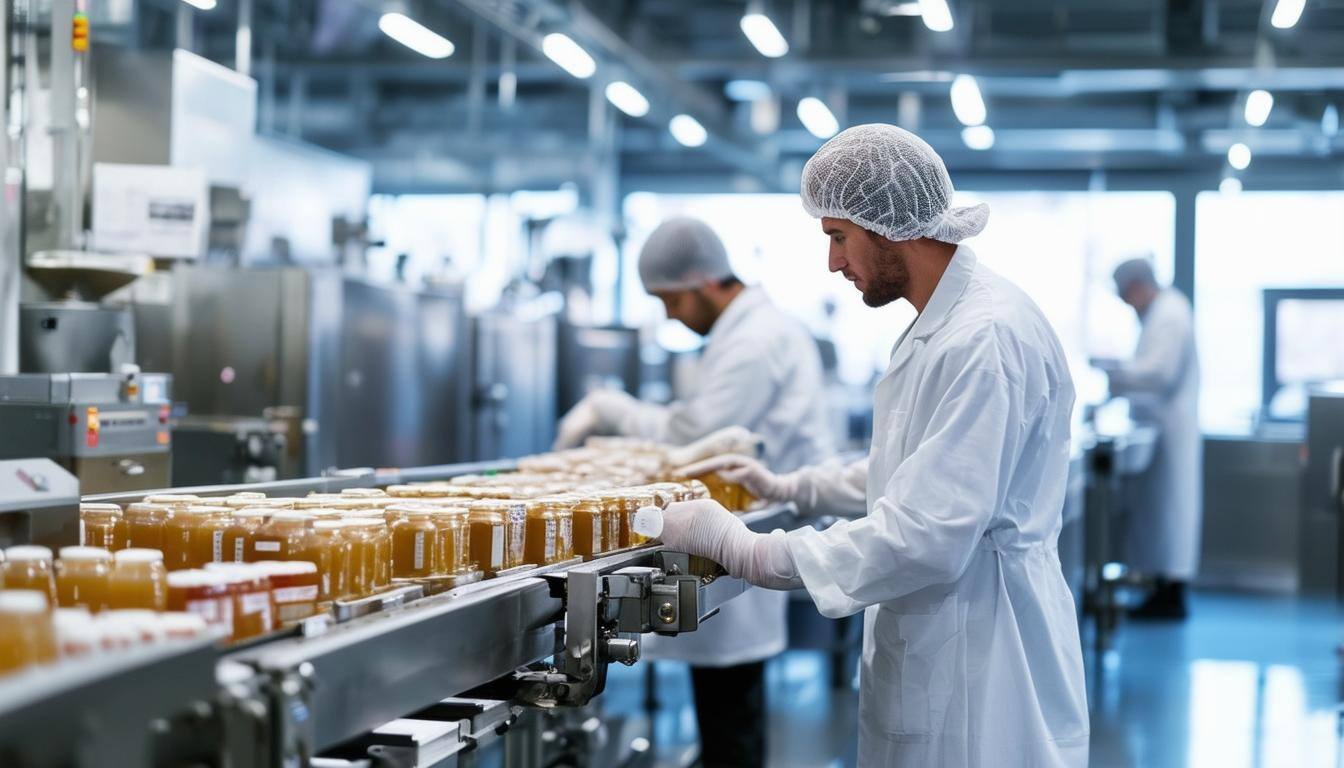
The food and beverage manufacturing industry serves as the vital bridge between agricultural production and the consumer’s table. In an era marked by rising global demand and increasingly stringent regulatory oversight, the success of a processing plant depends on a delicate balance of three core pillars: cleanliness, safety, and efficiency. Achieving excellence in these areas is not merely a matter of compliance; it is a strategic necessity for maintaining brand reputation and ensuring consumer trust.
The Foundation of Cleanliness: Sanitation Protocols
Sanitation is the bedrock of food manufacturing. Maintaining a clean environment is a fundamental requirement to prevent foodborne illnesses, spoilage, and cross-contamination. Effective sanitation strategies involve a combination of rigorous equipment maintenance, facility cleanliness, and strict employee hygiene.
Modern facilities rely on documented Sanitation Standard Operating Procedures (SSOPs), which provide step-by-step instructions for cleaning frequency, approved chemical agents, and specific techniques. For instance, automated Clean-in-Place (CIP) systems allow for the thorough washing of internal pipes and tanks without disassembly, while Clean-out-of-Place (COP) methods are used for deep manual cleaning of specialized components. Furthermore, the choice of sanitizers—ranging from chlorine-based solutions for general surfaces to peracetic acid for dairy environments—is critical to maximizing effectiveness without compromising safety.
Ensuring Safety: Risk Mitigation and Compliance
Safety in food manufacturing encompasses both the integrity of the final product and the well-being of the workforce. Central to this is the Hazard Analysis and Critical Control Points (HACCP) system, which helps manufacturers identify and manage biological, chemical, and physical risks at critical stages of production.
Rigorous quality control (QC) systems monitor everything from raw material inspection to batch sampling of finished goods. Advanced laboratories test for microbial contamination, pH levels, moisture content, and chemical residues to ensure that only safe products reach the market. Beyond product safety, a “safety culture” protects employees from machinery hazards and chemical exposure through continuous training and the use of personal protective equipment (PPE). Regulatory compliance with bodies such as the FDA or USDA ensures that plants adhere to national standards for labeling, storage, and handling.
Driving Efficiency: Technology and Workflow
Operational efficiency is the engine of profitability. A well-structured workflow that minimizes bottlenecks and reduces unnecessary handling is essential for a smooth production flow. This often involves a linear arrangement of processes and the strict segregation of “clean” and “dirty” zones to prevent cross-contamination while improving speed.
Technology plays a transformative role in optimizing output. Automation, smart sensors, and AI-powered quality control systems enhance uniformity and reduce human error. In high-volume environments, even the smallest components matter; for example, the precision of machine knives used in high-speed slicing or portioning directly impacts product consistency and minimizes raw material waste. Continuous processing systems further improve efficiency by allowing for non-stop production, unlike traditional batch processing which involves frequent downtime.
Maintenance also serves as a critical component of efficiency. Implementing preventive and predictive maintenance programs ensures that machinery operates reliably, preventing costly unplanned shutdowns.
Sustainability and the Future of Manufacturing
The modern food manufacturing landscape is increasingly defined by sustainability. Consumers and regulators alike now expect manufacturers to minimize their environmental footprint. This includes investing in energy-efficient ovens and refrigeration systems, conserving water during sanitation, and adopting eco-friendly or recyclable packaging solutions.
Waste reduction is another priority. Manufacturers are streamlining cutting and portioning processes to reduce scrap, while repurposing byproducts—such as turning trimmings into animal feed or fertilizers—to ensure a more circular economy.
In Conclusion
Running a successful food manufacturing operation requires a holistic approach that integrates technology, safety, and hygiene. By prioritizing state-of-the-art equipment, rigorous sanitation protocols, and a skilled, well-trained workforce, facilities can deliver safe, high-quality products consistently. In an industry where standards are non-negotiable, the commitment to being clean, safe, and efficient is the ultimate path to long-term growth and consumer satisfaction.
About the Author