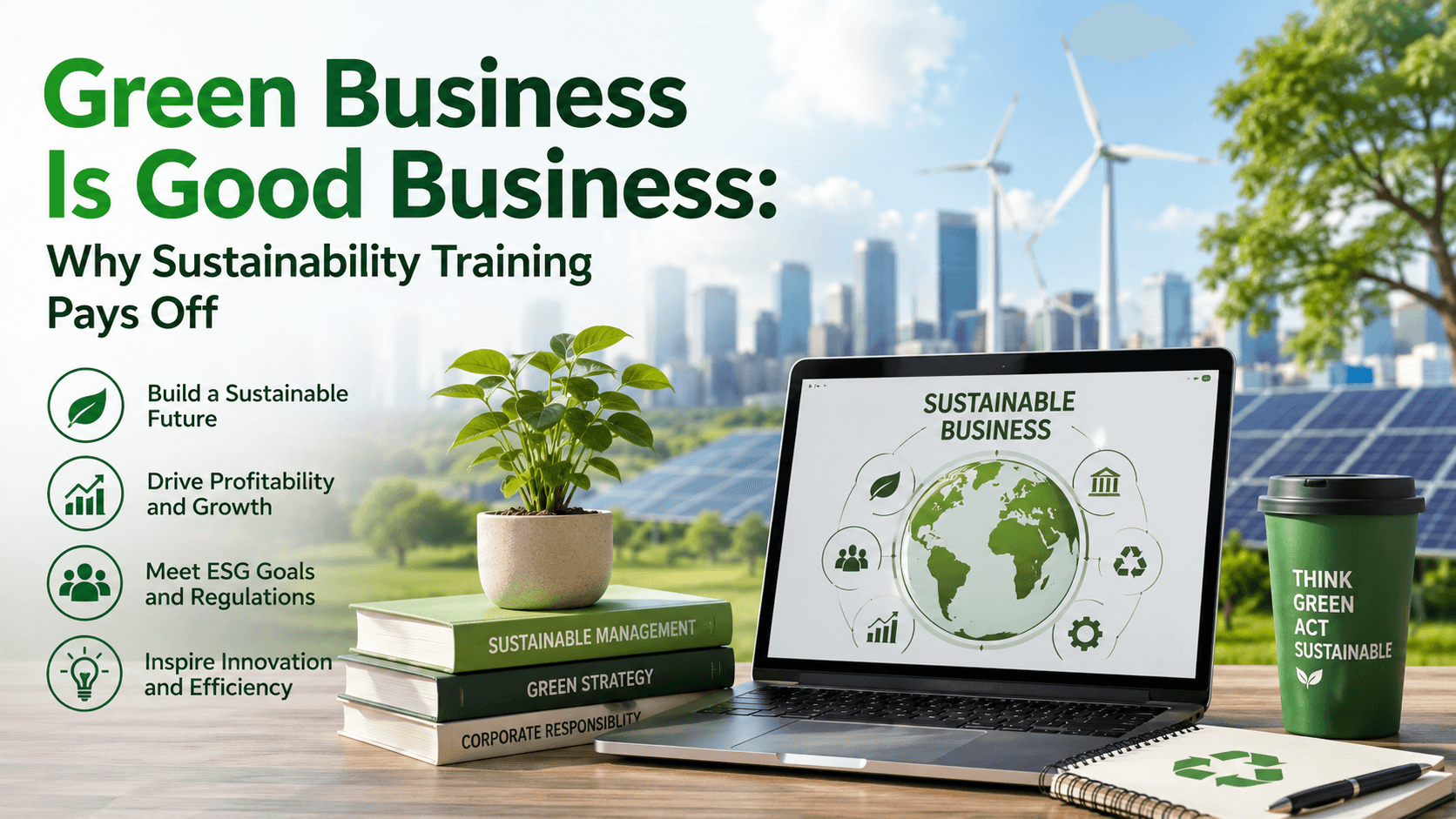
Imagine a small shop owner in 2026 who suddenly faces angry customers because plastic packaging from his products is hurting local rivers. He feels stuck and worried about losing business. Many companies today deal with similar pressures from the environment and fair treatment rules. This is where ethics and sustainability in business education steps in to help. It teaches people smart ways to run companies that care for the planet and people. Sustainability training has changed from something extra to a key part of staying strong in business. Companies that learn these skills see real wins like saving money and building trust. Green choices really do lead to better results.
Understanding Ethics and Sustainability in Business Education
Ethics and sustainability in business education means learning how to make good choices that help everyone over time. It shows business leaders how to think about right and wrong while protecting nature and communities. In simple terms, it mixes caring for the earth with fair ways of working.
These programs teach important ideas like responsible decision-making, checking how actions affect the environment, and being kind to workers and neighbors. Students learn ethical leadership too, which means guiding teams with honesty and care. For example, a leader might choose suppliers who treat their people well instead of the cheapest ones that cause harm.
This education connects directly to daily work. It helps teams spot problems early and fix them in ways that build a better future. Because of this, workers feel proud of their jobs and customers trust the brand more. Over time, these lessons turn into habits that make the whole company stronger and kinder.
The Growing Demand for Sustainability Skills in 2026
In 2026, more people want businesses to act with care. Shoppers look for products that do not hurt the planet, and they choose companies that match their values. Young buyers especially care about this, so businesses without these skills lose out.
Investors also push for change. They put money into companies that plan for a clean future because those seem safer and smarter. New rules around the world add pressure too. Governments expect clear reports on environmental impacts and fair practices.
At the same time, companies struggle to find workers who understand these ideas. Talent shortages make it hard to grow without trained people. That is why firms that offer sustainability training get ahead. They build teams ready for today’s challenges and tomorrow’s chances. This demand shows that ethics and sustainability in business education is now essential for success.
Financial Benefits: How Sustainability Training Boosts the Bottom Line
Sustainability training brings clear money wins. One big help comes from cutting waste and using less energy. Trained teams find smart ways to reuse materials and lower bills, which adds up to real savings year after year.
Better reputation from green efforts leads to more sales too. Customers happily pay for products from caring companies, so income grows. Access to special green funding becomes easier as banks favor businesses with strong ethics plans.
Training also reduces risks like big fines or court costs. Companies learn to follow rules early, which keeps operations smooth. For instance, a factory that trains staff on water saving might cut costs by thousands while staying safe from penalties. These benefits show how green practices turn into healthy profits.
Talent Attraction and Employee Engagement
Good ethics and sustainability in business education helps companies bring in great workers. Younger people, like those just starting careers, want jobs that match their values about the planet and fairness. They choose employers who invest in training because it shows real care.
Once hired, trained staff feel more excited about their work. They see how their ideas make a difference, which boosts energy and teamwork. Happy teams stay longer, so companies save on hiring new people over and over.
This creates a warm workplace where everyone feels part of something bigger. People share knowledge freely and support each other, leading to higher output and fewer mistakes. In the end, strong training builds loyal teams that drive the business forward together.
Driving Innovation and Competitive Advantage
Sustainability training sparks fresh ideas that set companies apart. Workers learn to solve problems in new ways, like creating products from recycled parts or services that help communities. This green thinking turns into market leadership as customers notice the difference.
Trained employees get better at quick changes when markets shift. They spot chances others miss, such as new eco-friendly tools or ways to cut pollution while saving money. For example, a clothing brand might develop fabrics that break down naturally, winning loyal fans and leaving old styles behind.
Over time, this builds a culture of creativity. Teams feel free to test ideas, which keeps the company fresh and ready for anything. Ethics and sustainability in business education thus becomes a secret tool for staying on top.
Risk Management and Regulatory Compliance
Ethics and sustainability education acts like a shield against trouble. Companies learn to spot risks early, such as supply chains that harm forests or workers. They fix issues before they grow into big problems like lawsuits or lost trust.
In 2026, rules keep changing. Places like Europe require honest reports on environmental and social impacts. Trained leaders understand these laws and build strong plans to meet them. This proactive approach avoids expensive surprises.
Good supply chain choices also help. Businesses pick partners who follow fair rules, which builds resilience when storms or shortages hit. Long-term, this knowledge protects the company from climate shifts and social changes, keeping it steady for years ahead.
Real-World Success Stories
Many companies show how sustainability training pays off in beautiful ways. A small coffee shop chain trained its team on fair sourcing and waste reduction. Within two years, customer visits jumped and costs dropped, leading to steady profit growth.
A medium-sized tech firm focused on energy-saving lessons for staff. Employees suggested better office habits and new software tools, which cut electricity use by a good amount and improved team spirit. Happy workers stayed longer, saving hiring money.
Large manufacturers like those in the energy field invested heavily in green training. One grew revenue sharply by making clean products that met new demands, turning sustainability into their main strength.
Another example comes from retail giants that used training to manage supply chains better. They reduced risks and built trust, which brought more investors and loyal shoppers. These stories from different sizes of business prove that green efforts bring real, inspiring results.
How to Implement Effective Sustainability Training
Starting sustainability training does not have to feel overwhelming. Business owners can begin by picking programs that fit their needs, whether short workshops or longer courses. Look for ones that mix online lessons with hands-on practice.
Next, weave the learning into daily tasks. Instead of one big event, add quick talks during meetings or simple challenges for teams. This makes ideas stick naturally. Measure progress with easy checks like tracking waste or employee feedback.
Smaller businesses have good options too. Free online resources, local partnerships, or group sessions keep costs low while still delivering value. Make training open to everyone so all voices help shape the future. With steady steps, any company can build strong green habits.
Overcoming Common Challenges
Some leaders worry about tight budgets when thinking about training. The good news is many low-cost starts exist, like sharing resources with other businesses or using free tools at first. Small wins build support and free up more money later.
Resistance to change is another hurdle. People may feel nervous about new ways. Friendly talks that show personal benefits, such as easier jobs or pride in the work, help everyone get on board. Start small and celebrate early successes to keep spirits high.
Lack of know-how can slow things down too. Bringing in simple guides or team leaders who learn first creates inside experts. These realistic steps turn obstacles into chances to grow stronger together.
The Future of Green Business Education
Looking ahead, ethics and sustainability in business education will keep evolving. New tools like smart systems may help teams make ethical choices faster. Global standards could make it easier for companies everywhere to work together cleanly.
Shoppers will likely demand even more care as they see the effects of climate shifts. This means training will become a lifelong journey, with regular updates to match the world. Companies that treat it as ongoing will stay ready and respected.
The path forward feels exciting because each step builds a better tomorrow for businesses, people, and the planet.
Frequently Asked Questions
What is the main goal of ethics and sustainability in business education?
It helps leaders make choices that balance profit with care for nature and communities, creating lasting success instead of quick fixes.
How much does sustainability training usually cost?
Costs vary, but many options start small and grow with the business. Returns often come back quickly through savings and new sales.
Can small businesses really benefit like big ones?
Yes, they often see fast changes because teams are close-knit. Simple training leads to quick wins in customer loyalty and efficiency.
How do I know if the training is working?
Watch for lower waste bills, happier staff, and better customer comments. Regular checks help adjust and improve.
Will new rules in 2026 make training required?
Many areas encourage it strongly, and trained companies handle changes with less stress.
What if my team pushes back against green changes?
Share real stories and involve them in ideas. Showing personal wins helps build excitement.
How does this connect to innovation?
It encourages fresh thinking that creates new products and ways of working ahead of others.
Is sustainability training only about the environment?
No, it also covers fair treatment of people, honest dealings, and strong community ties.
Conclusion
Green business truly is good business. Through ethics and sustainability in business education, companies save money, attract great people, spark new ideas, and stay safe from risks. The stories and steps we shared show that these practices bring real payoffs in 2026 and beyond.
You do not need to change everything at once. Start with one good step today, like learning more or trying a small training session. Your efforts will help build a stronger, kinder world while growing your success. Take that first step with confidence. A brighter future for your business and our planet is waiting.
Disclaimer:
This article is for general information and helpful ideas only. It does not give specific business, legal, or financial advice. Always check with qualified experts for your own situation. Results can vary based on many factors, and no guarantees are made. We encourage readers to do their own research and make choices that fit their needs.
About the Author