Walk into a corporate pharmacy chain and the experience is remarkably consistent wherever you are. Efficient, functional, impersonal. The person behind the counter is competent and professional and could be in any of three hundred identical locations. There is nothing wrong with this but there is also nothing distinctive about it and distinctiveness, the sense that this particular place is run by particular people who genuinely care about this particular community, is the one thing an independent health business has that a chain structurally cannot replicate.
The tragedy is that most independent pharmacies, physiotherapy practices, opticians, and allied health businesses fail to communicate this advantage online. Their websites look like scaled down versions of the corporate sites they are competing with, same clinical aesthetic, same generic stock photography of smiling professionals in white coats, same absence of anything that suggests a real human being made any of the decisions on display.
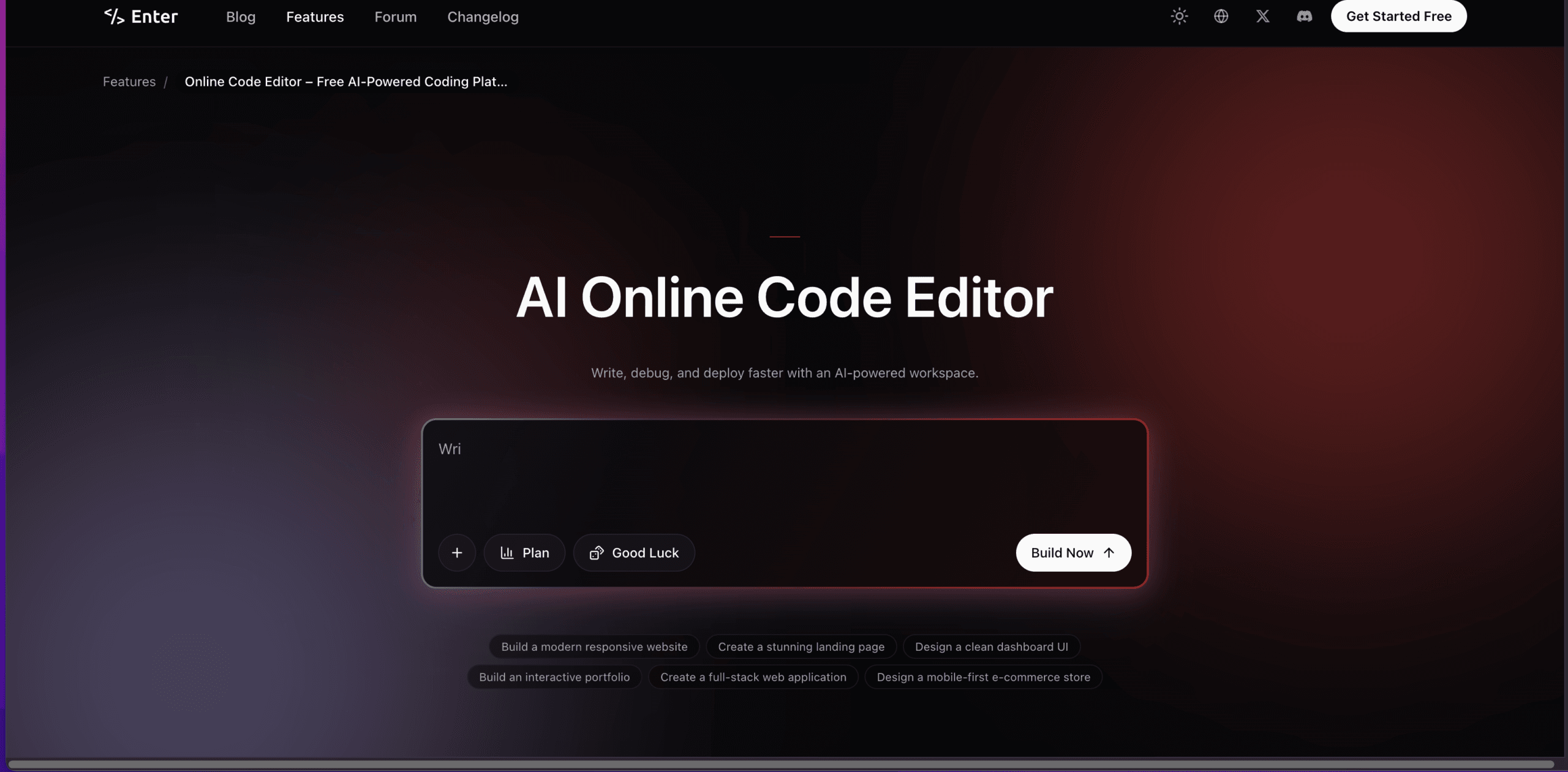
Enter Pro is one of the platforms independent health businesses are using to build an online presence that actually reflects what makes them worth choosing over the chain on the same high street. For practices that want to customize how they present clinical information, team profiles, or condition-specific resource sections, having a free code editor within the platform means those refinements happen in the hands of the people who understand the practice best.
The Human Connection Advantage and How to Actually Use It
Independent health businesses consistently outperform chains on patient satisfaction measures that relate to feeling known, feeling listened to, and feeling like a person rather than a number. Patients value continuity of care, the physiotherapist who remembers what you said three sessions ago, the pharmacist who notices a potential interaction nobody else caught, the optician who has been looking after your eyes for fifteen years and knows your family.
The problem is that this advantage exists entirely inside the four walls of the practice and almost nowhere on the website. A potential new patient researching their options online has no way of knowing that your practice offers this kind of care unless you communicate it explicitly and specifically.
The independent health businesses that consistently attract new patients and retain them for years are the ones whose websites give an honest, specific, human account of what makes their care different. Not in vague language about patient-centred approaches but in the specific details that actually distinguish a practice where people are genuinely known from one where they are efficiently processed.
Condition-Specific Content as Both Service and SEO
People searching for a physiotherapist, a speech therapist, or a specialist pharmacist are almost never searching in the abstract. They have a specific condition, a specific symptom, a specific concern that has prompted the search. They type things like physiotherapy for frozen shoulder or speech therapy for late talkers or pharmacy near me that does blister packs for elderly patients.
A website that has genuine, useful, clearly written content addressing these specific searches does two things simultaneously. It brings in highly relevant traffic from people who are actively looking for exactly what you offer. And it demonstrates clinical knowledge and genuine engagement with the conditions you treat before a potential patient has spoken to anyone.
Most independent health practices have a services page that lists what they do in broad categories and nothing more. The practices that consistently appear in relevant search results and that convert those visits into appointments are the ones that have invested in condition-specific content that treats patient education as a core function of their online presence rather than a secondary consideration.
Choosing a Platform for a Clinically Credible Website
Health and allied health websites carry a credibility requirement that most other professional sites do not. Clinical information needs to be accurate, appropriately caveated, and presented in a way that reflects genuine professional standards. The design needs to feel trustworthy without feeling cold. And the overall presentation needs to support rather than undermine the professional registration and regulatory context within which the practice operates.
Before committing to any builder, working through a careful comparison of the best website maker options with independent health practice requirements in mind reveals which platforms handle the combination of clinical content, appointment booking, team profiles, and the kind of clean professional aesthetic that health patients expect and trust. The ability to organize condition-specific content logically, keep clinical information current, and present professional credentials clearly within a warm and approachable overall design is a specific combination that not every platform handles equally well.
Competing With Chains on Convenience Without Losing on Character
One area where corporate chains genuinely outperform most independent health businesses is perceived convenience. Online booking, extended hours, multiple locations, app-based prescription ordering. Patients who have been trained to expect this level of operational smoothness from larger providers will notice its absence on an independent practice website.
This does not mean independent practices need to replicate everything a chain offers. It means they need to make the things they do offer as frictionless as possible online. A booking system that actually works on mobile. Clear and current information about opening hours, including any variations for bank holidays or staff leave. A prescription ordering system if relevant. An unambiguous answer to the most common practical questions a new patient might have before their first appointment.
Getting the operational basics right online does not diminish what makes an independent practice distinctive. It removes the practical objections that might otherwise prevent a potential patient from choosing you over a chain that happens to have a better booking system even if its clinical care is less personal.
Building the GP and Hospital Referral Relationship Online
A significant proportion of new patients for many allied health businesses come through referral from GPs, hospital departments, or other health professionals rather than through direct patient search. This referral relationship is often managed entirely through personal professional networks and almost never through the website.
That is a missed opportunity. A section of your website that speaks directly to referring clinicians, explaining your clinical approach, your areas of specialist interest, your referral process, and the communication patients and their GPs can expect throughout their treatment, makes the decision to refer easier and more confident for a busy GP who wants to know their patient will be well looked after.
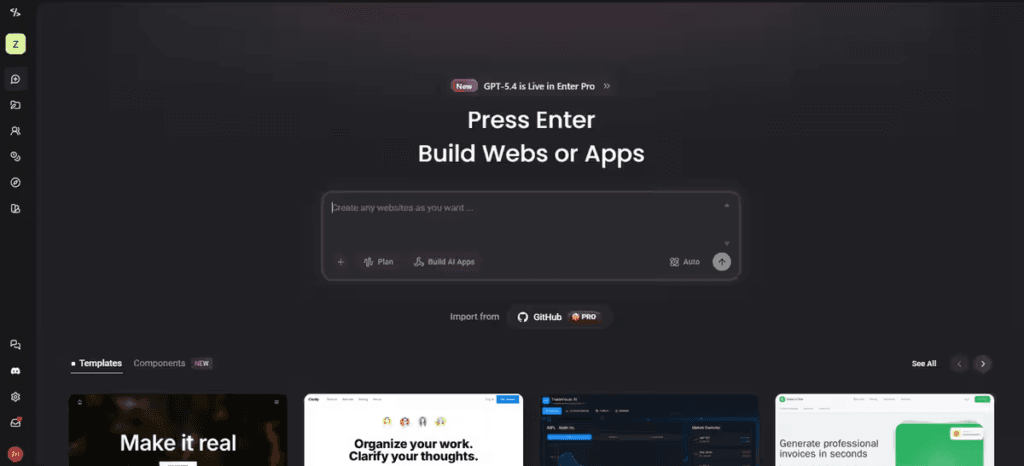
Enter Pro gives practices enough structural flexibility to build this kind of professional-facing content alongside the patient-facing content without the site feeling like it is trying to be two different things at once. A clear navigation structure that lets each audience find what is relevant to them makes both groups feel properly served rather than like afterthoughts in a site designed primarily for the other.
Insurance, Funding and the Information Gap Most Practices Leave Open
One of the most common reasons a potential patient abandons a health practice website without making contact is uncertainty about cost and funding. Insurance coverage, NHS versus private pathways, means-tested funding, health cash plan acceptance, the financial dimension of accessing health care is complicated and anxiety-inducing for many people.
Most independent health practice websites handle this either by saying nothing about costs at all, which leaves patients anxious and uncertain, or by providing a price list with no context about what affects the final cost or what funding options exist.
A clear, honest, plain-language explanation of how costs work at your practice, what insurance is accepted, what the process is for NHS-funded patients if applicable, and who to contact if the financial dimension is a barrier, removes a significant source of hesitation for patients who want your help but are not sure they can afford it. That clarity is a form of patient care that begins on the website before the first appointment is booked.
Conclusion
Independent health businesses exist because some patients genuinely need more than a chain can give them. More continuity, more specialist knowledge, more genuine human engagement with their particular situation. That need is real, the practices that meet it are genuinely valuable, and the patients who find the right independent practice often stay with it for years with a loyalty that no corporate competitor can generate through efficiency alone. A website that communicates that value clearly, specifically, and humanly is not optional for an independent health business serious about its future. It is how the patients who need exactly what you offer find out that you exist.
READ ALSO: Why Enterprise SEO Audit Services Are Essential for Large Websites
About the Author