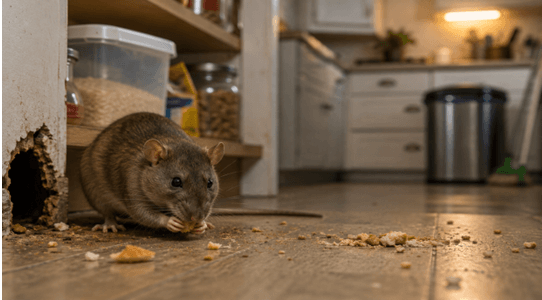
Most homeowners notice it late at night. The house is quiet, the lights are off, and then — scratch, scratch, scratch. You tell yourself it is probably nothing. Maybe the house is just settling. Maybe it is a branch on the roof. So you wait. And waiting is exactly what makes the situation so much worse.
The reality is this: by the time you hear scratching in your ceiling, walls, or attic, rodents have almost certainly already moved in. They have found a food source, a warm space, and a safe entry point. And without professional pest control services, they have absolutely no reason to leave.
This is not a rare occurrence. It is one of the most frequently reported household pest problems across the world, and it is one of the most underestimated. Homeowners who wait too long almost always end up with a far larger — and far more costly — problem than the one they originally ignored.
Why Homes Everywhere Are Vulnerable to Rodent Infestations
Rodents do not target dirty homes or neglected properties. They target opportunity. A small gap in the foundation, a crack near a pipe, a loose vent cover — any of these is all a mouse or rat needs to get inside. Once inside, they find everything they need to survive and breed.
Several factors make virtually any home susceptible:
- Aging structures develop tiny cracks and gaps that open over time, often invisible to the human eye but easily detectable by a rat’s sensitive nose
- Climate shifts push rodents indoors seasonally — warm months drive them to seek cool shelter, cold months push them toward heat sources inside walls and attics
- Urban and suburban growth displaces rodent populations from natural habitats, forcing them into residential areas
- Food storage and waste management habits inside the home create attractants that draw rodents in and keep them there
The point is simple: no home is immune. The only variable is whether the entry points exist and whether conditions inside are favorable. For most homes, both are true.
What Is Actually Happening Inside Your Walls Right Now
Rodents Reproduce Faster Than Most People Realize
A single female mouse can produce up to 10 litters per year, with 5 to 12 pups per litter. A pair of mice entering a home in autumn can become a colony of dozens by winter. Rats follow a similar pattern. This means a small problem that goes untreated does not stay small — it compounds rapidly and quietly inside the spaces you cannot see.
They Are Causing Structural Damage
Rodents have teeth that never stop growing, so they never stop chewing. Inside walls and attics, they work through insulation, wooden beams, plastic pipes, and electrical wiring. Chewed wiring is a well-documented cause of residential fires. What begins as an inconvenient sound becomes a safety hazard with real consequences.
They Are Contaminating Your Living Environment
A single mouse leaves behind up to 70 droppings per day as it travels. Rodent urine soaks into insulation and building materials. These waste products carry bacteria, allergens, and in some cases viruses that can circulate through a home’s air supply. The health risks are not theoretical — they are well-documented and they affect families every year.
Decoding the Sounds — What Each Noise Is Telling You
Not all rodent sounds are the same, and understanding what you are hearing can help you act with the right urgency:
- Scratching or scurrying late at night — Mice and rats are nocturnal. Movement after the house goes quiet is almost certainly rodent activity, not the house settling
- Repetitive gnawing sounds — Active chewing on wood, insulation, or wiring is happening right now and causing damage in real time
- Squeaking or soft chattering — Communication between rodents, often indicating a nearby nest with multiple animals including young
- Heavier thumping in the attic — Larger rodents like roof rats produce audible impact as they move; if the sounds feel too substantial for a mouse, rats are likely present
Any one of these sounds is reason enough to act immediately. The instinct to wait and see almost always results in a worse outcome.
Why DIY Methods Rarely Solve the Real Problem
Hardware stores are full of snap traps, glue boards, bait stations, and ultrasonic devices. Most homeowners try at least one of these before calling a professional, and most find that the problem either persists or returns within weeks.
The reason is straightforward: DIY products address symptoms, not causes.
- Traps and bait catch individual rodents but do nothing to seal the entry points through which new rodents continue to enter
- Poison bait creates a secondary problem — rodents that consume it often die inside walls, producing foul odors and attracting secondary pests
- Ultrasonic repellers have been tested extensively and show no meaningful effectiveness; rodents adapt quickly to stimuli that pose no real threat
- Without identifying where rodents are entering, any treatment is temporary at best
The infestation does not disappear. It simply replenishes itself through the same gaps that were never found or sealed.
The Professional Process That Actually Works
Complete Inspection First
Professional rodent control begins with a thorough inspection — not just for live rodents, but for the evidence they leave behind. Gnaw marks, grease trails along baseboards, droppings, nesting material, and structural gaps all tell a story. Trained technicians know where to look and what each sign means.
Targeted Treatment
Once the scope of the infestation is understood, treatment is customized to the situation. Trap placement, bait station positioning, and treatment areas are all determined by the specific patterns of activity in that particular home — not by a generic checklist.
Exclusion — The Step That Makes It Permanent
This is what separates professional rodent control from temporary fixes. Every identified entry point is sealed using materials rodents cannot chew through: steel wool, hardware cloth, metal flashing, and appropriate sealants. No more entry points means no more reinfestation. This step alone is the reason why professional treatment holds while DIY treatment does not.
Follow-Up and Ongoing Monitoring
A single visit rarely tells the complete story. Follow-up inspections confirm treatment effectiveness, identify any activity that was missed, and provide the homeowner with documented evidence that the problem has been resolved. Ongoing monitoring catches any recurrence before it grows.
The Real Cost of Waiting
Every week without treatment adds to the damage accumulating inside the home:
- Insulation saturated with rodent urine loses thermal effectiveness, raising energy costs month after month
- Chewed electrical wiring creates fire hazards that insurance companies may not cover if an infestation was known and left untreated
- Structural wood weakened by gnawing compromises the integrity of the spaces rodents inhabit most
- Health risks increase with the size and duration of the infestation, particularly for households with children, elderly members, or anyone with respiratory conditions
The expense of professional treatment today is always less than the cost of repairing the compounded damage caused by months of infestation. This is not a close comparison — it is not even a difficult one.
What to Do the Moment You Hear That Sound
Do not wait for more evidence. Do not try one more trap. The moment you hear scratching in your ceiling or walls, treat it as the early warning it is.
Call a licensed pest control professional. Ask for a complete inspection, not just a quote. Ask specifically about their exclusion process — because any company that treats without sealing entry points is selling you a temporary solution.
The scratching you heard is not a passing problem. It is the beginning of one — unless you act now.
Rodents are not going to move out on their own. But with the right professional help, you can take your home back — completely, safely, and permanently.
About the Author