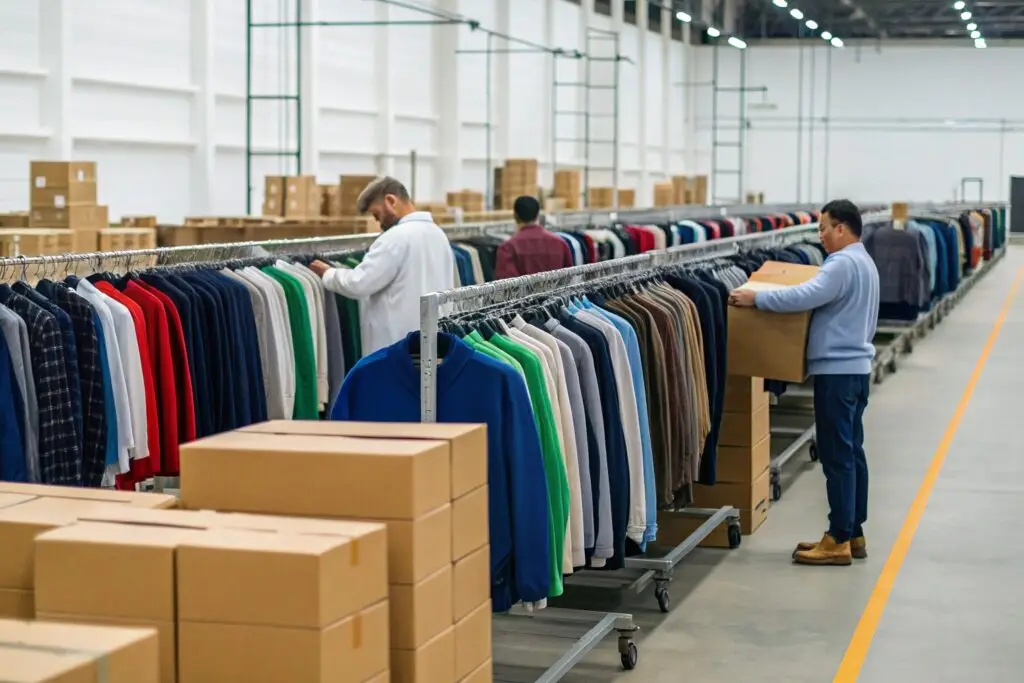
If you’ve been thinking about getting into the retail business or scaling up your existing store, buying wholesale clothing is one of the smartest moves you can make. It cuts your cost per unit, gives you a wider selection to offer your customers, and opens up room for solid profit margins. But jumping into it without a plan? That’s where a lot of buyers go wrong.
The wholesale clothing market is massive. From fast fashion basics to durable workwear, the options are nearly endless. The key is knowing what to look for, who to buy from, and how to manage your orders so you’re not left sitting on stock that won’t move. This guide walks you through all of that in plain terms.
Understanding the Wholesale Clothing Market
The wholesale market isn’t one size fits all. Some suppliers focus on trendy, fast-moving fashion pieces. Others specialize in uniforms, workwear, and basics that sell year-round. Before you start placing orders, spend time figuring out which category fits your customer base.
Retailers who buy wholesale clothing without a clear niche in mind often end up with a messy inventory that doesn’t speak to anyone. Pick a lane. Are you selling to professionals who need everyday office-ready pieces? To tradespeople who need tough, long-lasting gear? Or to budget-conscious shoppers looking for trendy basics at a fair price? Your answers will shape every buying decision you make.
When it comes to bulk apparel buying, minimum order quantities matter a lot. Most reputable wholesalers have a minimum, sometimes it’s by piece count, sometimes by dollar amount. Know what you can move before you commit to large quantities.
How to Find Reliable Fashion Wholesale Suppliers
Finding the right fashion wholesale suppliers takes a little research, but the effort pays off. Trade shows, online B2B directories, and industry forums are great places to start. Look for suppliers who are transparent about their sourcing, have clear return policies, and can provide samples before you commit to a full order.
Check reviews and ask for references when possible. A supplier who’s been around for years and has consistent feedback is worth more than one offering the lowest price. The cheapest deal often comes with quality problems, shipping delays, or poor communication, all of which cost you money in the long run.
One brand that many established retailers stock is wholesale Red Kap apparel. Red Kap has been a trusted name in workwear for decades, known for producing durable, functional garments that hold up under tough conditions. If your customer base includes tradespeople or industrial workers, stocking Red Kap products can be a solid move.
What to Look for in a Wholesale Partner
Not every wholesaler is built the same. Here’s what separates a good partner from a mediocre one. Consistent quality across orders is non-negotiable. You need to know that the fifth shipment will look and feel like the first. Turnaround time matters too; slow shipping kills momentum, especially if you’re running promotions or need to restock fast.
Communication is underrated. A supplier who answers your questions quickly and keeps you updated on your order is worth their weight in gold. When problems happen, and they will at some point, you want someone who helps solve them, not disappear.
Managing Your Clothing for Resale Inventory
Once you’ve got your clothing for resale lined up, the real work begins. Smart inventory management is what separates stores that thrive from those that struggle. Keep a close eye on what’s selling, what’s sitting, and what needs to be reordered.
Start with a smaller range and expand as you learn what your customers actually want. It’s tempting to stock a wide variety right away, but focus wins in retail. Know your top three to five best-selling categories and make sure those are always in stock.
Seasonal buying is also something to plan for early. Fashion trends shift, but some categories, like workwear wholesale products, stay steady throughout the year. Building a mix of trend-driven pieces and stable basics gives you a safety net when one category slows down.
Pricing Your Wholesale Purchases for Profit
Getting your pricing right is just as important as sourcing quality stock. A common rule of thumb in retail is to mark up wholesale prices by at least two to two and a half times. But your final pricing should also account for your overhead costs, shipping, storage, and the platform or storefront you’re selling through.
If you’re doing affordable fashion buying, you have a bit more room to work with since your margins can still be healthy even at lower retail prices. Just make sure you’re not racing to the bottom on price; that’s a game no one wins.
A helpful resource for understanding current pricing trends and buying guides in the fashion space is Apparel o’clock, which covers a wide range of topics from workwear to everyday fashion buying. It’s worth bookmarking if you’re serious about staying informed in this industry.
Trends Shaping Wholesale Clothing in 2025
The wholesale clothing market isn’t static. A few key trends are shaping how buyers and sellers operate right now. Sustainability is one of the biggest. More retailers are actively seeking out suppliers who use ethical sourcing and eco-friendly materials. Customers are paying attention, and brands that can speak to this are pulling ahead.
Workwear has had a revival. The rise of tradespeople, delivery workers, and manufacturing employees has pushed demand for durable, functional clothing through the roof. Utility pockets, reinforced stitching, and breathable fabrics are no longer nice-to-haves; they’re expected.
Gender-neutral clothing is also growing fast. More wholesalers are offering unisex lines that appeal to a broader audience. If you haven’t considered stocking some of these pieces, it’s worth exploring.
Final Thoughts
Buying wholesale clothing the right way is about preparation, research, and building relationships with suppliers you can count on. Start with a clear niche, vet your suppliers carefully, manage your inventory with purpose, and price for real profit, not just to move units.
The wholesale market rewards people who put in the groundwork. Whether you’re just starting or looking to grow what you’ve already built, the strategies in this guide give you a solid foundation to work from. Get to know your market, stay curious, and don’t be afraid to start small and scale up as you go.
About the Author