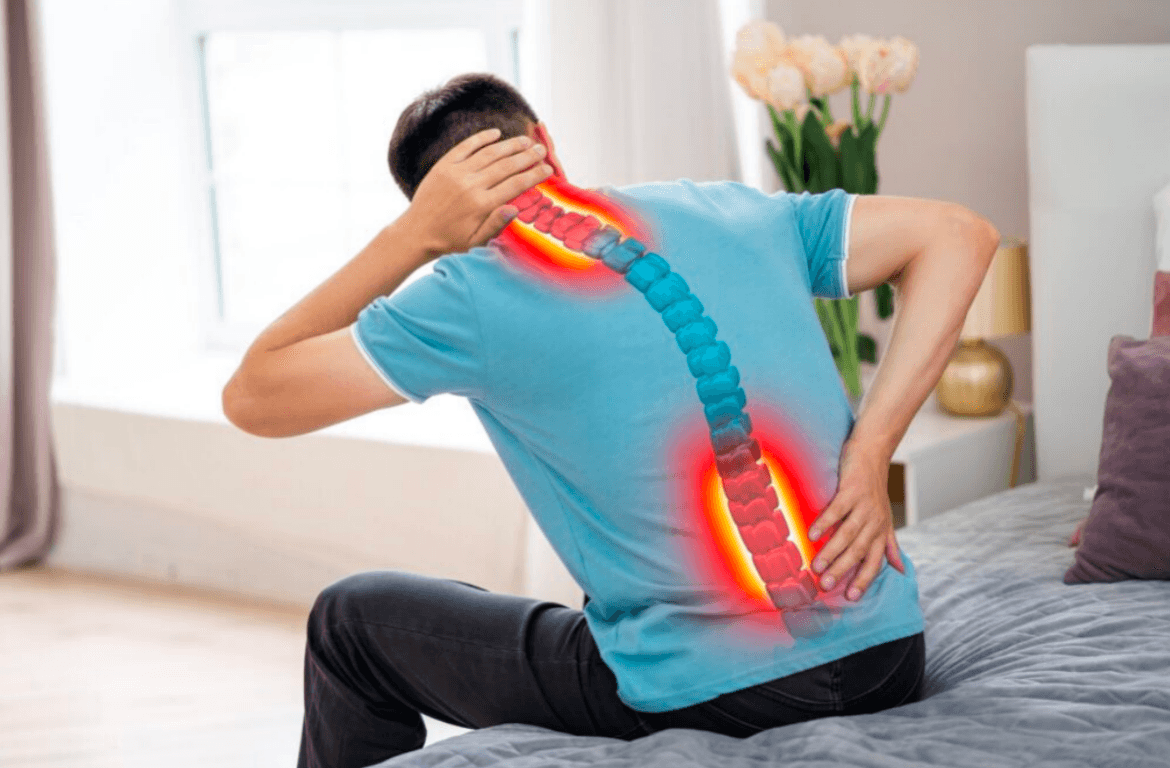
A herniated disc is a common spine condition that can cause significant back pain, numbness, weakness, and discomfort during daily activities. It occurs when the soft inner portion of a spinal disc pushes through the tougher outer layer, sometimes pressing on nearby nerves. Herniated discs most commonly affect the lower back and neck.
Treatment options for herniated disc problems usually include conservative care, such as physiotherapy, medications, and lifestyle modifications. However, some individuals with severe symptoms or nerve compression may eventually require surgery.
Understanding the differences between physiotherapy and surgical treatment can help patients make informed decisions based on symptom severity, mobility limitations, and overall health condition.
What Is a Herniated Disc?
The spine contains soft discs that act as cushions between the vertebrae.
What Happens During a Herniated Disc?
A disc may become damaged due to:
- Aging-related wear and tear
- Sudden injury
- Repetitive strain
- Heavy lifting
When the disc bulges or ruptures, nearby nerves may become compressed.
Common Symptoms of a Herniated Disc
Symptoms vary depending on the location and severity of the disc problem.
Common Symptoms Include
- Lower back pain
- Neck pain
- Pain radiating to the arms or legs
- Tingling sensation
- Muscle weakness
- Numbness
Symptoms may worsen with movement or prolonged sitting.
Why Treatment Is Important
Untreated nerve compression may gradually affect mobility and daily function.
Early Treatment May Help
Proper care can:
- Reduce inflammation
- Improve movement
- Relieve nerve pressure
- Prevent worsening symptoms
Treatment plans depend on the severity of symptoms and nerve involvement.
Understanding Physiotherapy for Herniated Disc Treatment
Physiotherapy is generally one of the first treatment approaches for herniated discs.
Goals of Physiotherapy
Physiotherapy focuses on:
- Reducing pain
- Improving flexibility
- Strengthening spinal support muscles
- Restoring mobility
Conservative treatment helps many individuals avoid surgery.
Common Physiotherapy Techniques
Physical therapists may use several methods to manage symptoms.
Techniques May Include
- Stretching exercises
- Core strengthening
- Posture correction
- Manual therapy
- Mobility training
Programs are individualized based on symptoms and physical condition.
Benefits of Physiotherapy
Many patients experience symptom improvement with non-surgical care.
Physiotherapy May Help
- Improve spinal stability
- Reduce pressure on nerves
- Improve flexibility
- Increase movement confidence
Consistent therapy usually supports gradual recovery.
Recovery Time With Physiotherapy
Recovery varies depending on disc severity and adherence to treatment.
What Patients May Expect
Some individuals improve within weeks, while others require longer rehabilitation.
Lifestyle modifications and regular exercises play an important role in recovery.
When Physiotherapy May Be Recommended
Physiotherapy is commonly suggested for:
- Mild to moderate symptoms
- Early-stage disc problems
- Individuals without severe nerve damage
Doctors generally recommend conservative treatment before considering surgery.
In Ahmedabad, many individuals managing chronic back pain or nerve-related symptoms associated with herniated discs in Ahmedabad usually begin with physiotherapy programs focused on posture correction, mobility improvement, and muscle strengthening.
Understanding Surgery for Herniated Disc Treatment
Surgery may be recommended when conservative treatments fail or symptoms become severe.
When Surgery May Be Needed
Doctors may consider surgery if patients experience:
- Severe nerve compression
- Persistent pain despite therapy
- Progressive muscle weakness
- Difficulty walking
- Loss of bladder or bowel control
Severe neurological symptoms require urgent evaluation.
Common Types of Herniated Disc Surgery
Several surgical procedures may be used depending on the condition.
Common Surgical Options Include
- Discectomy
- Microdiscectomy
- Laminectomy
- Spinal fusion in some cases
The surgical approach depends on disc location and spinal stability.
Benefits of Surgical Treatment
Surgery may provide faster relief in severe cases.
Potential Benefits Include
- Reduced nerve compression
- Pain relief
- Improved leg or arm strength
- Better mobility
Many patients experience improvement after appropriate surgical treatment.
Recovery After Herniated Disc Surgery
Recovery timelines vary depending on the procedure performed.
Post-Surgical Recovery May Include
- Temporary activity restrictions
- Physiotherapy rehabilitation
- Gradual return to daily activities
Following rehabilitation instructions supports better recovery outcomes.
Risks Associated With Surgery
Like any medical procedure, spinal surgery carries potential risks.
Possible Risks Include
- Infection
- Bleeding
- Nerve injury
- Recurrence of symptoms
- Scar tissue formation
Doctors carefully evaluate risks before recommending surgery.
Physiotherapy vs Surgery: Key Differences
Both treatments aim to improve function and reduce pain, but the approach differs significantly.
Physiotherapy Focuses on Conservative Recovery
Physiotherapy aims to:
- Improve strength naturally
- Support spinal alignment
- Reduce pain without surgery
It is usually preferred as the first-line treatment.
Surgery Focuses on Direct Nerve Decompression
Surgery physically removes or relieves pressure on affected nerves.
Surgery May Be More Appropriate For
- Severe nerve compression
- Significant weakness
- Failed conservative treatment
Medical evaluation helps determine the best treatment approach.
Can Physiotherapy Prevent Surgery?
In many cases, physiotherapy successfully improves symptoms enough to avoid surgery.
Factors Influencing Non-Surgical Success
These may include:
- Early treatment
- Consistent exercise
- Weight management
- Proper posture habits
Lifestyle changes significantly affect long-term spine health.
Importance of Posture and Lifestyle Changes
Daily habits can affect spinal pressure and recovery.
Helpful Lifestyle Measures Include
- Maintaining healthy weight
- Avoiding prolonged sitting
- Practicing proper lifting techniques
- Staying physically active safely
Preventive care reduces stress on spinal discs.
Importance of Early Medical Evaluation
Persistent nerve symptoms should not be ignored.
Symptoms Requiring Medical Attention
These include:
- Severe radiating pain
- Progressive weakness
- Difficulty walking
- Loss of bladder control
Early diagnosis improves treatment planning and outcomes.
Emotional Impact of Chronic Back Pain
Long-term pain may also affect emotional well-being.
Common Emotional Challenges Include
- Anxiety
- Frustration
- Reduced activity levels
- Sleep disturbances
Supportive care and rehabilitation can improve overall quality of life.
Frequently Asked Questions
Can a herniated disc heal without surgery?
Yes, many herniated discs improve with physiotherapy, exercise, and conservative treatment.
When is surgery necessary for a herniated disc?
Surgery may be needed for severe nerve compression, weakness, or symptoms that do not improve with therapy.
Is physiotherapy painful for herniated discs?
Therapy is usually designed to improve movement gradually without worsening symptoms.
How long does herniated disc recovery take?
Recovery timelines vary depending on severity, treatment type, and overall health.
Can exercise worsen a herniated disc?
Improper exercises may worsen symptoms, which is why guided rehabilitation is important.
Conclusion
Both physiotherapy and surgery play important roles in treating herniated disc problems. Physiotherapy is usually effective for improving strength, flexibility, posture, and pain management in mild to moderate cases. Surgery may become necessary when nerve compression causes severe pain, weakness, or functional limitations.
The best treatment approach depends on symptom severity, imaging findings, overall health, and response to conservative care. Early diagnosis, proper rehabilitation, healthy lifestyle habits, and medical guidance can help individuals improve mobility, reduce pain, and protect long-term spinal health.
About the Author