As we age, our bones naturally lose density and strength, and even a minor stumble can lead to a life-changing injury. The good news is that strong bones and steady footing are not simply a matter of luck. With the right nutrition, exercise, home adjustments, and support, older adults can dramatically lower their risk of fractures and falls. For families exploring senior home care in Arlington, VA, understanding how to protect bone health is one of the most valuable steps toward helping a loved one age safely and independently.
Why Bone Health and Fall Prevention Matter
Falls are the leading cause of both fatal and non-fatal injuries among older adults. According to the Centers for Disease Control and Prevention (CDC), more than 14 million people, or roughly 1 in 4 Americans age 65 and older, fall each year (CDC). These falls are far from minor: each year there are about 3 million emergency department visits and 1 million hospitalizations related to older-adult falls.
The trend is also worsening. The CDC’s National Center for Health Statistics reports that the unintentional fall death rate for adults 65 and older reached 69.9 deaths per 100,000 population in 2023, up sharply over the past two decades (CDC NCHS). The financial burden is staggering as well, with the cost of treating fall-related injuries projected to exceed $101 billion by 2030 (NCOA).
Weak bones are a major reason falls turn into serious injuries. The Bone Health & Osteoporosis Foundation estimates that about 10 million Americans have osteoporosis and another 44 million have low bone density, and that one in two women and up to one in four men will break a bone in their lifetime due to osteoporosis (BHOF). Among adults 65 and older, osteoporosis prevalence climbs to 17.7% (CDC). Protecting bone strength and preventing falls go hand in hand.
How Seniors Can Build and Maintain Strong Bones
1. Prioritize Calcium and Vitamin D
Calcium is the building block of bone, and vitamin D helps the body absorb it. Older adults generally need around 1,200 mg of calcium and 800–1,000 IU of vitamin D daily. Excellent sources include dairy products, leafy greens, fortified cereals, canned fish with soft bones, and safe sun exposure. Because appetite and absorption often decline with age, a doctor may recommend supplements.
2. Stay Physically Active
Bones respond to stress by getting stronger, so weight-bearing and resistance exercises are essential. Walking, dancing, light strength training, and stair climbing all encourage bone formation. Just as importantly, exercises that improve balance and leg strength—such as tai chi, gentle yoga, and standing leg lifts—directly reduce fall risk. The CDC notes that poor strength and balance are key modifiable risk factors that fall-prevention programs can address.
3. Avoid Smoking and Limit Alcohol
Smoking accelerates bone loss, and excessive alcohol interferes with the body’s ability to absorb calcium and maintain balance. Cutting back on both supports stronger bones and steadier movement.
4. Get Regular Bone Density Screenings
A simple, painless DXA scan can detect osteoporosis before a fracture occurs. Early diagnosis allows seniors and their physicians to begin treatment—whether through diet, exercise, or medication—well before bones become dangerously fragile.
Practical Strategies to Prevent Falls at Home
Most falls happen at home, which means small changes can make a big difference:
- Clear walkways of clutter, loose rugs, and electrical cords.
- Improve lighting in hallways, staircases, and bathrooms, and keep nightlights on after dark.
- Install grab bars near toilets and inside showers, and add railings on both sides of stairs.
- Use non-slip mats in the bathroom and kitchen.
- Wear supportive, non-slip footwear instead of socks or loose slippers.
- Review medications with a pharmacist or doctor, since some drugs cause dizziness or drowsiness.
- Schedule vision and hearing checks, as both affect balance and spatial awareness.
It is also worth remembering that falling once doubles the chance of falling again (CDC). After a first fall, professional support and a thorough home safety review become even more important.
The Role of In-Home Care in Protecting Seniors
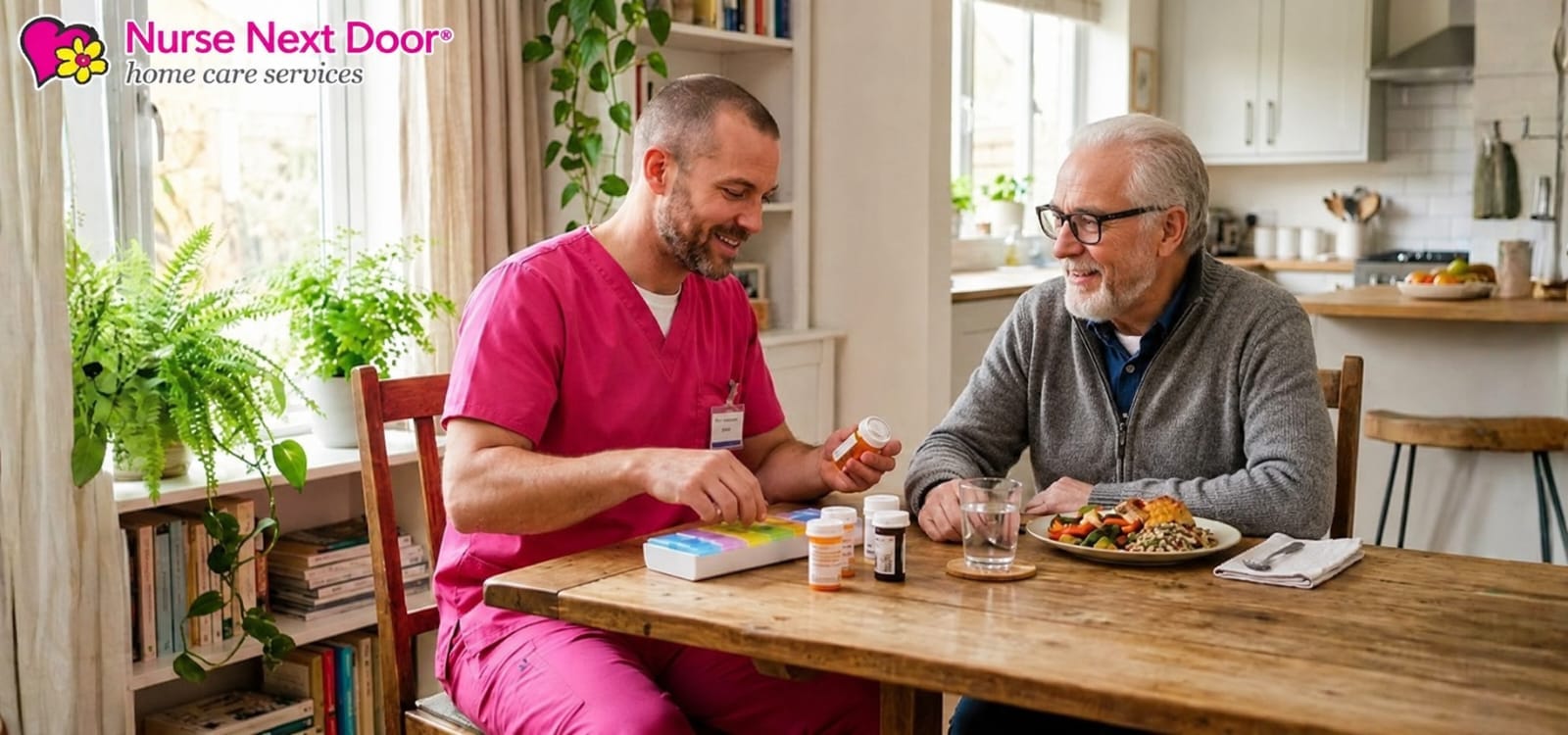
For many older adults, the safest path is staying in familiar surroundings with the right help. A recent AARP survey found that roughly 75% of seniors want to remain in their own homes as they age. Trained caregivers can provide the daily support that keeps that wish realistic and safe—preparing nutritious, bone-friendly meals, encouraging gentle exercise, providing steady assistance with walking and bathing, managing medication schedules, and spotting hazards before they cause harm.
Professional in home senior personal care in Northern Virginia bridges the gap between full independence and the constant supervision of a facility. It allows seniors to maintain dignity and routine while significantly reducing the risk of a dangerous fall.
Why Choose Northern Virginia Nurse Next Door?
When it comes to keeping seniors safe, steady, and thriving at home, Northern Virginia Nurse Next Door stands out as a trusted partner for families across the region. Operating locally since 2018 and built on the globally recognized Nurse Next Door philosophy of Happier Aging®, the team is dedicated to helping older adults live with independence and dignity in the comfort of their own homes.
Here is what sets them apart:
- 24/7 skilled and non-skilled care. From RNs, LPNs, and CNAs to compassionate personal-care aides, support is available around the clock.
- Personalized care plans. Every plan begins with a free Caring Consult™, during which a Care Designer visits the home to understand each client’s unique needs and design care accordingly.
- Caregiver consistency. Clients are matched with caregivers based on personality, language, and lifestyle, building the trust that makes daily fall-prevention support effective.
- Broad local coverage. Services reach Arlington, Fairfax, McLean, Falls Church, Alexandria, Vienna, Reston, Centreville, and surrounding communities.
- A focus on safety and independence. Caregivers help with mobility, medication reminders, nutrition, and home-safety awareness—exactly the areas that protect bone health and prevent falls.
By combining clinical expertise with genuine companionship, Northern Virginia Nurse Next Door empowers seniors to stay active, strong, and secure.
Final Thoughts
Strong bones and fall prevention are not about restricting a senior’s life—they are about preserving the freedom to enjoy it. Through good nutrition, regular movement, smart home adjustments, and reliable in-home support, older adults can stay confident on their feet for years to come. If your family is ready to take that step, reaching out for professional senior home care could be the safeguard that makes all the difference.
About the Author