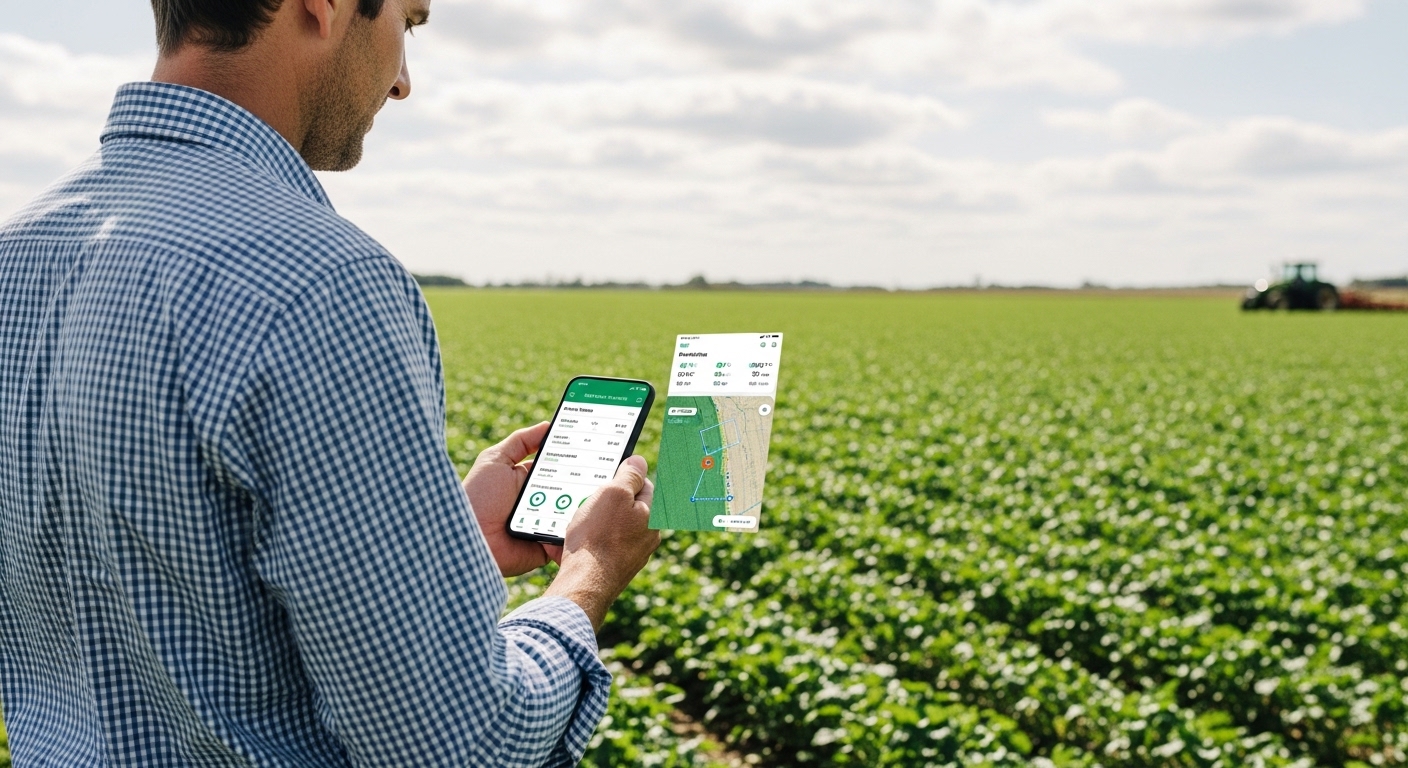
A pesticide tracking app is a simple digital tool that helps farmers keep clear records of the pesticides they use on their crops. It works on phones or tablets, so farmers can note down important details right in the field. Many farmers face challenges with pests that damage their plants, and they need to use pesticides carefully. A pesticide tracking app makes this job easier and safer.
Farmers today grow food for many people, and they want to do it in a way that protects the land, water, and their own health. Keeping good records has always been important, but doing it on paper can lead to mistakes or lost notes. That is why many farmers now turn to digital tools like a pesticide tracking app. This article explains what it is, how it works, and why it can be very useful for farmers everywhere.
What Is a Pesticide Tracking App?
A pesticide tracking app is like a helpful notebook that lives inside your phone. It lets you write down every time you spray or apply a pesticide. You can add the name of the product, the amount you used, the date and time, and even the field where you applied it.
Because farming involves many steps, this app brings everything together in one place. For example, imagine a farmer named Ahmed who grows tomatoes in a warm area. He used to write notes on small pieces of paper, but sometimes they got wet or blown away. With a pesticide tracking app, he simply opens his phone after spraying and taps in the details. The app saves everything safely.
Another thing is that these apps often connect with maps. You can see your fields on the screen and mark exactly which part you treated. This means you never have to guess later. Over time, the app builds a clear history of what happened on each field. Farmers can look back and see patterns, such as which pests appear at certain times of the year. In addition, many apps remind you about safety rules or waiting times before you can harvest the crop.
Pesticide tracking apps also help with basic compliance needs. Rules from governments often ask farmers to record restricted pesticides. The app makes it simple to create reports that you can print or share if needed. This way, you stay organized without spending hours at a desk after a long day in the sun.
How Does a Pesticide Tracking App Work?
Using a pesticide tracking app is straightforward and follows a few easy steps. First, you open the app on your phone while you are still in the field or right after finishing the spray job. Next, you select the field from a simple map or list. Many apps use GPS to know your location automatically, so it suggests the right field.
After that, you enter the details of the pesticide. You type or choose the product name, how much you mixed, and the rate you applied per area. The app often has a search feature to find the exact registration number of the product, which saves time and avoids errors. You can also add notes about the weather, such as wind speed or temperature, because these things affect how well the spray works and how safe it is.
This means the app stores all information together. Later, if you need to check something, you just search by date, field, or crop. Some apps let you take photos of the field before and after spraying. These pictures help you remember what the plants looked like and whether the treatment made a difference.
Another useful part is the reminders. For instance, the app can tell you how many days you must wait before picking the vegetables, called the pre-harvest interval. It can also warn you if you are using too much of one chemical over time, which might lead to problems like pests becoming resistant. Because data is saved in the cloud or on your device, you can access your records even if your phone loses internet for a while. When you get back to signal, everything syncs safely.
In real life, think of a rice farmer who sprays in the early morning. He finishes the job, opens the app, and spends just two minutes adding the information while sitting under a tree. The app automatically notes the time and location. Days later, when buyers ask about his practices, he can quickly show a clean report. This smooth process saves effort and reduces stress.
Over time, the collected data helps farmers make better choices. They can see which pesticides worked best against certain bugs or diseases. They learn the right amounts for their soil and weather. This builds knowledge that improves the whole farm year after year.
Why Farmers Need a Pesticide Tracking App
Farmers need better ways to manage pesticides because mistakes can affect crops, health, and the environment. One big reason is safety. When you track every application carefully, you reduce the chance of using the wrong product or applying it at the wrong time. For example, spraying on a windy day can cause the chemical to drift onto nearby water or other fields. A good app helps you record wind conditions so you can avoid such issues in the future.
Another reason is better crop protection. Pests and diseases change with the seasons. With clear records, farmers spot patterns more easily. Suppose a farmer notices that aphids always appear after heavy rain. He can plan ahead and use the right treatment at the right moment instead of guessing. This leads to healthier plants and higher yields without wasting money on extra sprays.
In addition, rules about pesticide use are becoming stricter in many places. Governments want to protect workers, nearby communities, and wildlife. Keeping accurate records helps farmers follow these rules without worry. If an inspector visits, having everything ready in the app makes the process quick and smooth. Many farmers say this gives them peace of mind.
Farmers also care about the soil and water for their children and future crops. Tracking helps them use only what is necessary. Over time, they learn to combine pesticides with other methods, like planting flowers that attract good insects or rotating crops. This balanced approach keeps the land strong. For instance, one vegetable grower reduced his pesticide use noticeably after he started tracking and noticed he was treating the whole field when only one corner had problems.
Another benefit is saving time and money. Writing on paper takes longer and can get lost. Digital tracking is faster and lets you create summaries with just a few taps. You avoid buying extra chemicals because you know exactly what you have used. In busy harvest seasons, this small saving adds up.
Because farming is hard work, any tool that makes it simpler is welcome. A pesticide tracking app turns a boring record-keeping task into something quick and useful. It supports smarter decisions that help the farm stay profitable while caring for nature.
Key Features That Make Pesticide Tracking Apps Helpful
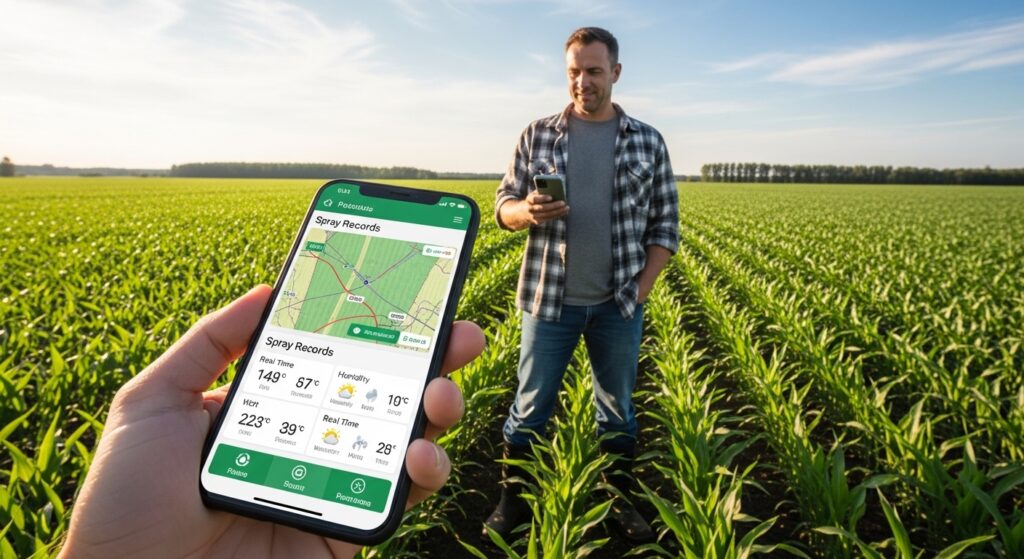
Good pesticide tracking apps include several practical features that fit real farm life. One common feature is GPS mapping. You walk or drive around your field, and the app marks the treated areas clearly. This prevents overlap, where you spray the same spot twice by accident.
Weather integration is another helpful part. Some apps pull in local weather data or let you enter it manually. You can see if conditions were good for spraying. This information is important because rain soon after application might wash the pesticide away or into streams.
Inventory tracking is useful too. The app can show how much pesticide you have left in storage. It reminds you when supplies are getting low so you can order more at the right time. This stops last-minute rushes that sometimes lead to wrong choices.
Many apps allow you to attach photos and notes. A farmer might snap a picture of pests on leaves and link it to the treatment record. Later, he can compare before-and-after images to judge results. Simple reports are also common. With one button, you create a document listing all applications for a certain crop or time period.
In 2026, some newer tools connect with other farm technology, such as sensors in the field that measure moisture or pest activity. When these systems work together, the app gives even clearer pictures of what is happening. However, basic versions still work well for farmers who want to start simple.
Common Mistakes Farmers Make with Pesticides and How Tracking Helps Avoid Them
Many farmers sometimes make small errors with pesticides that add up over time. One frequent mistake is using the wrong amount. Some put too little, so the pests survive and come back stronger. Others use too much, which wastes money and can harm helpful insects or the soil. A tracking app shows your past rates clearly, so you can follow what worked before and stay consistent.
Another mistake is ignoring the weather. Spraying when the wind is strong causes drift, and spraying before heavy rain reduces effectiveness. Because the app lets you record conditions each time, you build a habit of checking and noting them. Over time, you learn the best windows for safe and successful applications.
Forgetting safety steps is also common. Workers might skip proper protective clothes or fail to clean equipment well. Tracking apps often include checklist options for these steps. You can mark that you wore gloves and washed the tank afterward. This creates a good routine that protects people and prevents leftover chemicals from mixing badly.
Timing errors happen too. Applying a pesticide too close to harvest leaves residues that buyers might reject. The app reminds you about waiting periods, so you stay safe. Another issue is mixing products without checking labels. Good records help you review past mixes and avoid problems.
By using a pesticide tracking app, farmers catch these mistakes early and learn from them. The history acts like a gentle teacher that guides better habits without blame.
Practical Tips for Farmers Starting with Pesticide Tracking
If you are new to digital tracking, begin with one or two fields to practice. Choose an app that feels easy on your phone and works even with slow internet. Take a few minutes each day to enter information while it is fresh in your mind. This habit feels natural after a short time.
Train everyone who helps on the farm. Show workers how to add basic details so the whole team stays consistent. Combine the app with your other observations, like walking the fields regularly to check pest levels. Use the data to talk with other farmers or advisors about what is working.
Store backup copies of important reports on your computer or another device. Review your records at the end of each season to plan for the next one. Small changes, such as treating only affected areas instead of the whole farm, can make a big difference in costs and care for the land.
Remember that technology supports good farming, but it does not replace careful eyes and common sense. Walk your fields often, watch the plants, and listen to the weather.
FAQ About Pesticide Tracking Apps
What information should I record every time I use a pesticide?
You should note the product name, amount used, date and time, field location, weather conditions, and the target pest or disease. Also add any safety steps you followed. This creates a complete picture that helps with decisions and rules.
Can a pesticide tracking app work without internet all the time?
Many apps let you enter data offline and sync later when you have signal. This is helpful for farmers in areas with weak connections.
Do I need special skills to use these apps?
No. Most are designed to be simple, with big buttons and clear steps. If you can use a basic phone app for messages or photos, you can learn this quickly.
How long do I need to keep the records?
Rules vary by place, but many ask for two years or more. The app makes it easy to store and find old records whenever you need them.
Will tracking help me use fewer pesticides?
Yes, over time it often does. Clear records show where and when problems happen, so you can target treatments better and try other helpful methods first.
Is it useful for small farms too?
Absolutely. Even farmers with just a few acres benefit from better organization and safer practices.
What if I make a mistake when entering data?
Most apps let you edit or add notes later. It is better to correct small errors than to lose the whole record.
Conclusion
A pesticide tracking app is a practical tool that brings order to an important part of farming. It helps you record details easily, follow safety steps, make smarter choices, and care for your land and crops. By building a clear history of what you do in the fields, you gain confidence and reduce worries about rules or mistakes.
Farmers who use such tools often find they save time, protect their health, and grow better produce. In a world where everyone wants safer food and healthier soil, keeping good records is a quiet but powerful step forward. Start small, stay consistent, and let the information guide you toward stronger, more successful farming seasons ahead.
As you think about your own farm, remember that every careful action today helps create a brighter future for your family and the fields you love. Simple tools like this support the hard work you already do so well.
Disclaimer:
This article provides general educational information about pesticide tracking practices and digital tools for record-keeping in agriculture. It is not intended as legal, regulatory, or professional advice. Farmers should always follow local laws, pesticide labels, and consult qualified agricultural experts or authorities for compliance requirements specific to their region and operation. Practices and technologies evolve, so verify current rules in your area.
Explore More
- IMT App 2026: Features, Benefits, Download Guide & User Review
- FintechZoom.com Review 2026: Contacts, Address, Money App, Banking, Markets App, Bitcoin & Ethereum Price, Dow Jones, Pro App, Pro Review, AU Business & Open Now Guide
- The Psychology of Digital Footprints: How Social Media Habits Impact Academic Focus
About the Author